
 EN
EN



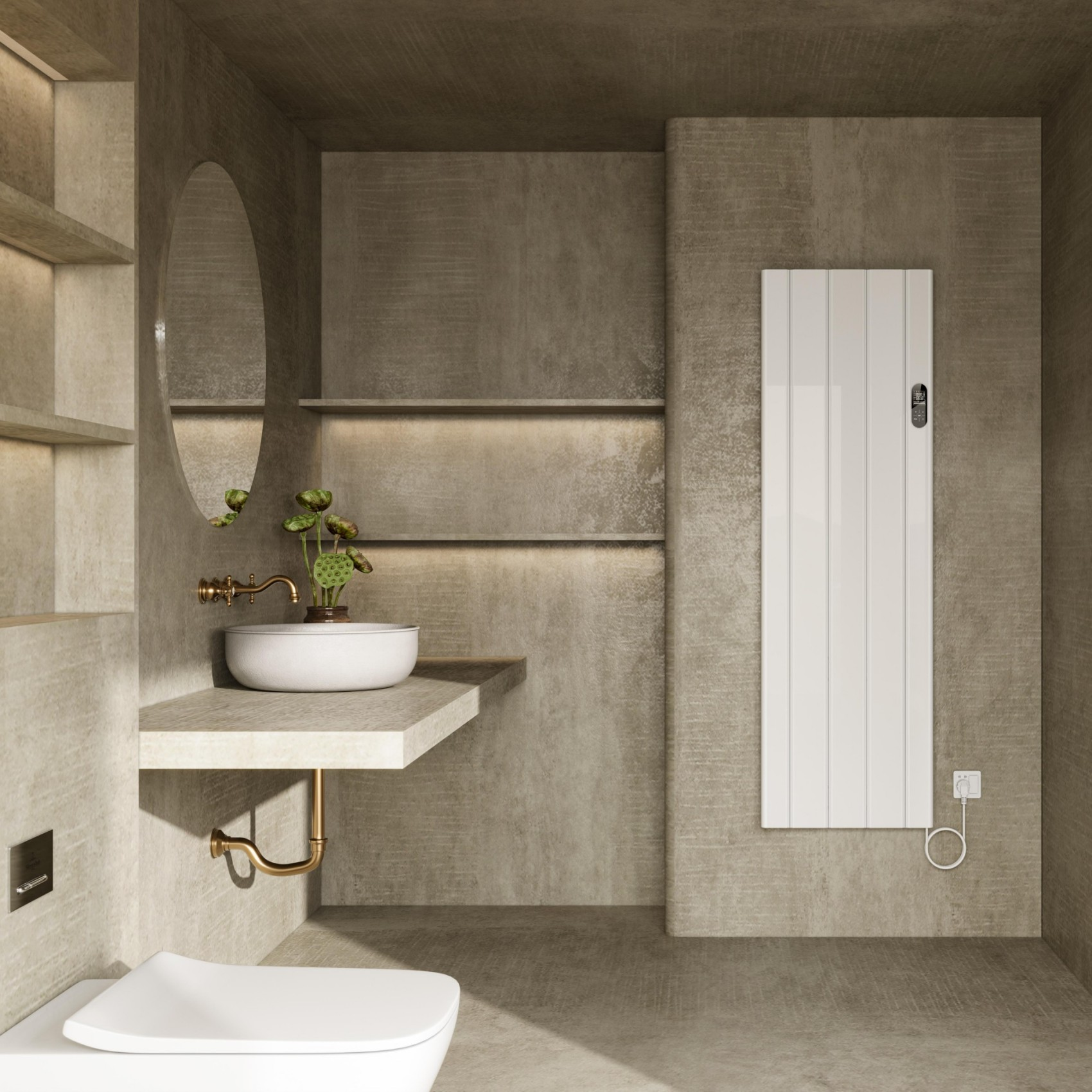
When selecting a heating system for residential, commercial, or industrial spaces, understanding the differences between panel radiators and traditional heating methods becomes essential for making informed decisions. Panel radiators represent a modern evolution in heating technology, offering distinct advantages in efficiency, space utilization, and aesthetic integration compared to conventional heating systems. This comprehensive analysis explores the fundamental distinctions between panel radiator technology and traditional heating approaches, examining their operational principles, performance characteristics, installation requirements, and suitability for various applications.
The heating industry has witnessed significant technological advancement over recent decades, with panel radiators emerging as a prominent alternative to older heating systems such as cast iron radiators, convection heaters, and forced-air systems. While traditional heating methods continue to serve many buildings effectively, panel radiators offer modern solutions that address contemporary demands for energy efficiency, rapid heat response, and design flexibility. Understanding these differences enables property owners, facility managers, and heating professionals to select systems that align with specific performance requirements, budget constraints, and architectural considerations.
Fundamental Design and Construction Differences
Panel Radiator Construction Principles
Panel radiators utilize a flat-panel construction methodology that fundamentally differs from traditional heating units. These systems consist of one or more steel panels with integrated water channels that allow heated water to circulate throughout the unit. The panel radiator design incorporates convection fins between panels in multi-panel configurations, creating enhanced heat transfer surfaces that maximize thermal output relative to the unit's physical footprint. This construction approach allows manufacturers to produce heating units with various output capacities while maintaining compact dimensions suitable for modern architectural spaces.
The manufacturing process for panel radiators involves precision welding or pressing of steel sheets to form sealed water channels with optimized flow patterns. This construction method ensures uniform heat distribution across the entire panel surface, eliminating the cold spots and uneven heating patterns sometimes associated with older radiator designs. The streamlined profile of a panel radiator typically measures between 50mm and 160mm in depth, depending on the number of panels and convection layers, allowing installation in locations where traditional bulky heating units would prove impractical.
Traditional Heating System Configuration
Traditional heating systems encompass various technologies, including cast iron column radiators, baseboard convectors, and forced-air distribution systems. Cast iron radiators, which dominated heating installations for much of the twentieth century, feature heavy sectional construction with substantial thermal mass. These units consist of multiple cast iron sections bolted together, creating internal channels for water circulation. The thick cast iron construction provides significant heat retention capacity but results in considerable weight and slower thermal response compared to modern panel radiators.
Forced-air heating systems, another traditional approach, operate on entirely different principles than water-based radiators. These systems heat air centrally in a furnace and distribute it throughout a building via ductwork and vents. While effective for temperature control, forced-air systems require extensive infrastructure installation, consume more energy for air movement, and can contribute to air quality issues through dust circulation. Baseboard convectors represent another traditional option, featuring long, low-profile units that rely primarily on convection rather than radiant heat transfer.
Material Composition and Thermal Properties
The material composition of panel radiators directly influences their thermal performance characteristics. Modern panel radiators predominantly utilize high-grade steel with specific thickness specifications that balance structural integrity with thermal conductivity. Steel's relatively low thermal mass compared to cast iron enables panel radiators to heat up rapidly when the heating system activates and cool down quickly when heating demand decreases. This responsive behavior supports more precise temperature control and improved energy efficiency in systems with programmable thermostats or zone control.
Traditional cast iron radiators possess substantially higher thermal mass, which creates different performance characteristics. The heavy iron construction stores significant thermal energy, maintaining heat output for extended periods after the heating system cycles off. While this thermal inertia can provide comfort during brief heating interruptions, it also means cast iron units take considerably longer to respond to thermostat adjustments, potentially leading to temperature overshooting and reduced efficiency in applications requiring frequent temperature changes or zone-based heating control.
Heat Transfer Mechanisms and Efficiency Characteristics
Combined Radiation and Convection in Panel Radiators
Panel radiators employ a sophisticated combination of radiant and convective heat transfer to warm interior spaces effectively. The flat panel surfaces emit infrared radiation that directly warms objects, occupants, and building surfaces within the line of sight, creating comfortable conditions without requiring excessive air temperature elevation. Simultaneously, the panel radiator design incorporates convection elements, particularly in multi-panel configurations with integrated fins, which warm air that rises naturally through the unit, creating circulation patterns that distribute heat throughout the room.
The balance between radiant and convective heat transfer in a panel radiator can be optimized through design variations. Single-panel configurations provide primarily radiant heat with minimal convection, suitable for applications where direct warmth is prioritized. Double and triple panel radiators with integrated convection fins shift the heat output balance toward greater convection, increasing total heat output from a given surface area. This design flexibility allows heating professionals to select appropriate panel radiator configurations based on room characteristics, ceiling heights, and occupant comfort preferences.
Traditional Heating Heat Distribution Patterns
Traditional cast iron radiators primarily deliver heat through radiation, with their substantial surface area emitting infrared energy across a wide field. The sectional construction creates multiple vertical surfaces that radiate heat in all directions, effectively warming nearby objects and building elements. However, the convective component remains relatively limited compared to modern panel radiators with optimized fin arrays. The resulting heat distribution pattern concentrates warmth near the radiator location, requiring careful positioning to achieve uniform room heating.
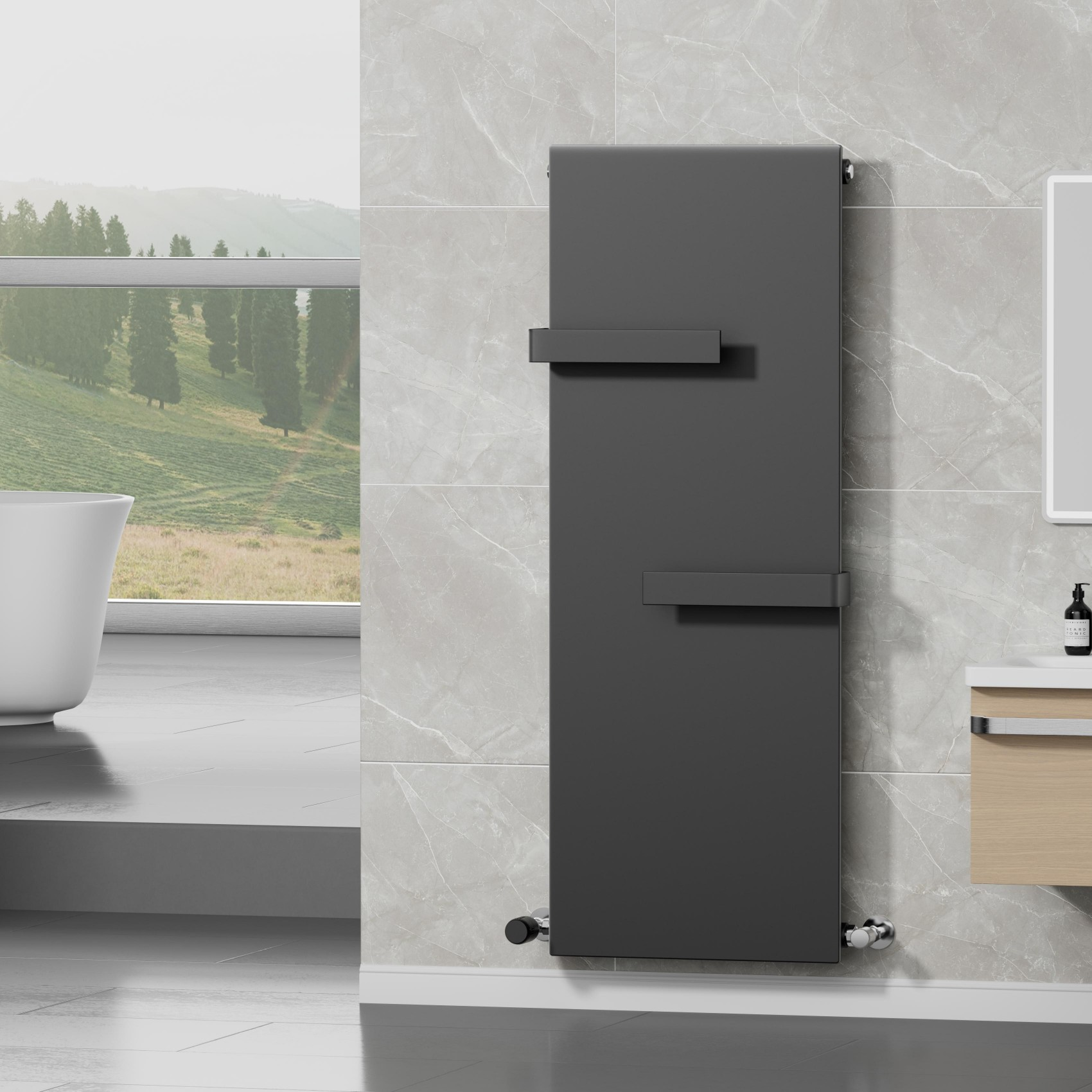
Forced-air heating systems operate entirely through convection, warming and circulating air throughout spaces via mechanical blowers. This approach can achieve rapid temperature changes and uniform air temperature distribution when properly designed, but it introduces several challenges. Air circulation can create uncomfortable drafts, distribute allergens and dust particles, and result in temperature stratification with warmer air accumulating near ceilings. Additionally, forced-air systems consume electrical energy for blower operation beyond the fuel required for heat generation, increasing overall operating costs compared to natural convection and radiation-based systems.
Energy Efficiency and Response Time Comparison
Energy efficiency represents a critical distinction between panel radiators and traditional heating approaches. Panel radiators typically demonstrate superior efficiency due to their low thermal mass and rapid response characteristics. When connected to modern condensing boilers and controlled by programmable thermostats, panel radiator systems can achieve seasonal efficiency ratings exceeding conventional heating installations. The quick warm-up and cool-down characteristics enable effective setback programming, reducing energy consumption during unoccupied periods without compromising comfort during occupied times.
Traditional heating systems exhibit varying efficiency profiles depending on their specific configuration. Cast iron radiators, while durable and long-lasting, require more energy input to reach operating temperature due to their substantial thermal mass. This characteristic can reduce system efficiency in applications with frequent on-off cycling or variable occupancy patterns. Forced-air systems face efficiency challenges related to heat loss through ductwork, air leakage at duct connections, and electrical consumption for continuous air movement. Modern panel radiators address these inefficiencies through optimized design, responsive thermal behavior, and elimination of air distribution infrastructure.
Installation Requirements and Spatial Considerations
Panel Radiator Mounting and Space Efficiency
Installation of panel radiators offers significant advantages in terms of simplicity and spatial efficiency compared to traditional heating systems. Panel radiators mount directly to wall surfaces using standardized bracket systems, requiring only supply and return pipe connections to integrate with existing hydronic heating infrastructure. The compact depth profile of panel radiators, typically ranging from 50mm to 160mm depending on configuration, minimizes protrusion into living spaces while delivering substantial heat output. This space efficiency proves particularly valuable in modern architectural designs with limited wall depth or in renovation projects where maintaining usable floor space is essential.
The standardized dimensions and connection locations of panel radiators facilitate straightforward replacement and upgrading of existing heating installations. Unlike sectional radiators that require assembly of multiple components, panel radiators arrive as complete factory-assembled units requiring only mounting and piping connection. This streamlined installation process reduces labor costs and installation time compared to traditional radiator systems. Additionally, panel radiators accommodate various pipe entry configurations, including bottom center, bottom opposite ends, and side connections, providing flexibility to match existing piping layouts or optimize new installations.
Traditional Heating System Infrastructure Demands
Traditional heating systems often impose more extensive infrastructure requirements compared to panel radiators. Cast iron radiator installation requires substantial floor or wall support due to significant unit weight, which can exceed several hundred pounds for large radiators when filled with water. This weight consideration limits installation locations and may necessitate structural reinforcement in some applications. The sectional construction of traditional radiators also requires careful assembly, alignment, and sealing of individual sections during installation, increasing labor requirements and potential for installation errors.
Forced-air heating systems demand the most extensive installation infrastructure, requiring ductwork throughout the building to distribute heated air. This ductwork consumes significant space within walls, ceilings, or floors, and cannot be easily added to existing structures without major renovation work. The need for supply and return air paths to each heated space creates architectural constraints and limits design flexibility. In contrast, panel radiator systems utilize simple two-pipe hydronic distribution that occupies minimal space and can be routed through existing building cavities with relative ease during retrofits or renovations.
Maintenance Accessibility and Servicing Considerations
Maintenance requirements differ substantially between panel radiators and traditional heating systems, influencing long-term ownership costs and operational reliability. Panel radiators feature sealed construction with minimal external components requiring service. Routine maintenance typically involves only periodic inspection of connections for leaks, annual bleeding of air from the system, and occasional surface cleaning. The welded steel construction of panel radiators eliminates gasket failures and inter-section leaks common in older sectional radiators, reducing maintenance incidents and associated service costs.
Traditional cast iron radiators require more frequent maintenance attention, particularly regarding gasket inspection and potential re-sealing of section joints over time. The sectional construction creates multiple potential leak points that may require periodic tightening or gasket replacement as the system ages. Forced-air systems demand regular filter replacement, blower motor maintenance, and periodic ductwork inspection for leaks and obstruction. These ongoing maintenance requirements contribute to higher lifecycle costs for traditional heating approaches compared to modern panel radiators with their simplified maintenance profiles.
Performance Characteristics Across Operating Conditions
Temperature Control Precision and Zoning Capability
Panel radiators excel in applications requiring precise temperature control and flexible zoning capabilities. The rapid thermal response of panel radiators enables effective integration with thermostatic radiator valves that automatically adjust water flow based on room temperature. This component-level control allows creation of multiple heating zones within a single building, each maintaining different temperature setpoints according to occupancy patterns and functional requirements. The low thermal mass of panel radiators ensures quick response to valve adjustments, preventing temperature overshoot and maintaining comfort while minimizing energy waste.
The ability to implement effective zoning with panel radiators provides substantial energy savings in buildings with variable occupancy or diverse thermal requirements across different spaces. Individual room control allows unoccupied areas to maintain reduced temperatures while occupied spaces receive full heating, a capability difficult to achieve with traditional heating systems. Single-zone forced-air systems, for example, attempt to satisfy all spaces with a single thermostat location, often resulting in some areas being overheated while others remain uncomfortably cool. Cast iron radiators, due to their thermal inertia, respond slowly to thermostatic valve adjustments, limiting the effectiveness of zone control strategies.
Heating Performance in Various Building Types
Panel radiator performance characteristics make them particularly suitable for modern building designs with good insulation and controlled air infiltration. In well-sealed building envelopes, the combined radiant and convective output of panel radiators efficiently maintains comfortable conditions with modest supply water temperatures. This capability supports integration with renewable heating sources such as heat pumps or solar thermal systems that operate most efficiently at lower supply temperatures. The compact dimensions and contemporary appearance of panel radiators also align well with modern architectural aesthetics and space planning priorities.
Traditional heating systems may offer advantages in specific building types and climates. Cast iron radiators, with their substantial thermal mass, perform effectively in drafty older buildings where the thermal storage capacity helps compensate for variable heat loss. The slow thermal response that limits efficiency in modern buildings can provide comfort stability in structures with poor envelope performance. However, even in these applications, properly sized panel radiators can deliver equivalent or superior performance while offering benefits in installation flexibility, maintenance simplicity, and aesthetic integration.
Durability and Expected Service Life
Service life expectations differ between panel radiators and traditional heating systems based on construction methodology and material characteristics. High-quality panel radiators manufactured from corrosion-resistant steel with proper surface treatment typically provide reliable service for twenty to thirty years or more when installed in properly maintained closed-loop hydronic systems. The welded construction eliminates gasket degradation concerns, and the absence of mechanical components within the radiator itself minimizes potential failure modes. Proper system water treatment to prevent corrosion represents the primary factor influencing panel radiator longevity.
Cast iron radiators are renowned for exceptional durability, with many units providing continuous service for fifty years or longer. The robust construction and corrosion resistance of cast iron support this extended service life, though the sectional assembly may require periodic gasket attention. However, this longevity advantage must be balanced against lower efficiency, installation challenges, and aesthetic limitations in contemporary applications. Forced-air systems typically require more frequent component replacement, including furnace units every fifteen to twenty years and blower motors, controls, and other mechanical elements on shorter intervals, resulting in higher lifecycle costs despite potentially lower initial installation expenses.
Economic Considerations and Return on Investment
Initial Investment and Installation Costs
The initial cost comparison between panel radiators and traditional heating systems involves multiple factors beyond unit purchase prices. Panel radiators themselves range from budget-friendly single-panel models to premium multi-panel configurations with enhanced output and aesthetic features. Installation costs for panel radiators remain relatively modest due to straightforward mounting procedures and standardized connection requirements. In new construction or comprehensive renovation projects, panel radiator systems typically demonstrate competitive or favorable initial costs compared to alternative heating approaches when total system installation is considered.
Traditional heating system costs vary widely based on specific technology selection. Cast iron radiators often command higher unit prices than comparable panel radiators due to material costs and more complex manufacturing processes. Installation labor costs also tend to be higher for cast iron systems due to unit weight and assembly requirements. Forced-air heating systems may appear cost-competitive in new construction where ductwork installation integrates with building framing, but retrofit installations face substantial costs for adding duct distribution infrastructure. Panel radiator systems avoid these extensive infrastructure demands, often providing significant cost advantages in renovation and retrofit applications.
Operating Cost Analysis and Energy Consumption
Operating cost differences between panel radiators and traditional heating systems stem primarily from efficiency variations and control capability differences. Panel radiator systems, particularly when combined with condensing boilers and programmable controls, typically achieve lower seasonal energy consumption than traditional heating approaches. The rapid thermal response enables effective temperature setback programming, reducing energy use during unoccupied periods without comfort penalties. The ability to implement zone control with thermostatic radiator valves on individual panel radiators further enhances efficiency by heating only occupied spaces to desired temperatures.
Traditional heating systems face various efficiency challenges that increase operating costs. Cast iron radiators' thermal mass requires extended boiler operation to bring the system to temperature, consuming additional fuel. The slow response to thermostat adjustments can result in temperature overshoot, wasting energy. Forced-air systems incur ongoing electrical costs for blower operation and experience heat loss through ductwork, particularly when ducts pass through unconditioned spaces. These factors typically result in higher annual heating costs for traditional systems compared to well-designed panel radiator installations, with cost differences often ranging from ten to thirty percent depending on specific system configurations and building characteristics.
Long-Term Value and Lifecycle Cost Considerations
Comprehensive lifecycle cost analysis over typical building ownership periods reveals significant value propositions for panel radiator systems. The combination of moderate initial costs, low maintenance requirements, and superior energy efficiency positions panel radiators favorably in total cost of ownership calculations. The simplified maintenance profile reduces ongoing service costs and minimizes operational disruptions compared to traditional systems requiring more frequent attention. Energy savings accumulate year after year, often justifying any premium in initial investment within five to ten years, depending on local energy costs and system utilization patterns.
Panel radiator systems also provide value through flexibility and adaptability over building lifecycles. The standardized dimensions and mounting systems facilitate straightforward upgrades or replacements as building heating requirements change. Individual panel radiators can be easily sized or repositioned to accommodate space reconfigurations without extensive system redesign. This adaptability contrasts with the fixed infrastructure of ducted forced-air systems and the weight-driven location constraints of cast iron radiators. The combination of initial cost competitiveness, operational efficiency, maintenance simplicity, and system flexibility establishes panel radiators as economically advantageous heating solutions for diverse applications.
FAQ
How does the heat output of a panel radiator compare to a traditional cast iron radiator of similar size?
Panel radiators typically deliver greater heat output per unit of wall space compared to traditional cast iron radiators of equivalent dimensions. A double-panel radiator with convection fins can produce fifty to seventy percent more heat output than a similarly sized single-column cast iron radiator due to optimized heat transfer surfaces and enhanced convection design. This efficiency allows panel radiators to meet heating requirements in smaller footprints, or alternatively, to provide more heating capacity in spaces with limited wall area. The specific output comparison depends on panel configuration, with triple-panel designs offering even greater capacity advantages over traditional radiators.
Can I replace my old cast iron radiators with panel radiators without changing my entire heating system?
In most cases, existing cast iron radiators can be replaced with appropriately sized panel radiators without requiring complete heating system replacement. Panel radiators operate on the same hydronic heating principles as traditional radiators, circulating hot water through internal channels to deliver heat. The key considerations involve properly sizing the replacement panel radiators to match or exceed the heat output of the units being replaced and ensuring compatibility with existing pipe connections. Some pipe configuration modifications may be necessary to accommodate different connection locations, but the boiler, circulating pump, and distribution piping typically require no changes when substituting panel radiators for cast iron units of equivalent capacity.
What maintenance does a panel radiator require compared to traditional heating systems?
Panel radiators require minimal maintenance compared to most traditional heating systems, primarily involving annual air bleeding to remove any air bubbles that may accumulate in the system and periodic visual inspection of pipe connections for potential leaks. The sealed welded construction eliminates the gasket maintenance required with sectional cast iron radiators, and the absence of mechanical components within the radiator itself means no internal parts require service or replacement. This simplified maintenance profile contrasts sharply with forced-air systems requiring regular filter changes, blower motor servicing, and ductwork inspection, or with traditional radiators that may need periodic section re-sealing as gaskets age.
Do panel radiators work effectively in older buildings with poor insulation?
Panel radiators can effectively heat older buildings with poor insulation when properly sized to accommodate higher heat loss characteristics. The key to successful performance involves calculating heat requirements based on actual building envelope performance and selecting panel radiator configurations with sufficient output capacity to offset heat loss. In poorly insulated structures, higher-output multi-panel radiators with convection fins may be necessary to deliver adequate heating compared to the single-panel units sufficient for well-insulated modern buildings. When properly specified, panel radiators provide effective heating in older buildings while offering advantages in installation flexibility, maintenance simplicity, and potential for future efficiency improvements if building insulation is subsequently upgraded.
Table of Contents
- Fundamental Design and Construction Differences
- Heat Transfer Mechanisms and Efficiency Characteristics
- Installation Requirements and Spatial Considerations
- Performance Characteristics Across Operating Conditions
- Economic Considerations and Return on Investment
-
FAQ
- How does the heat output of a panel radiator compare to a traditional cast iron radiator of similar size?
- Can I replace my old cast iron radiators with panel radiators without changing my entire heating system?
- What maintenance does a panel radiator require compared to traditional heating systems?
- Do panel radiators work effectively in older buildings with poor insulation?