
 EN
EN



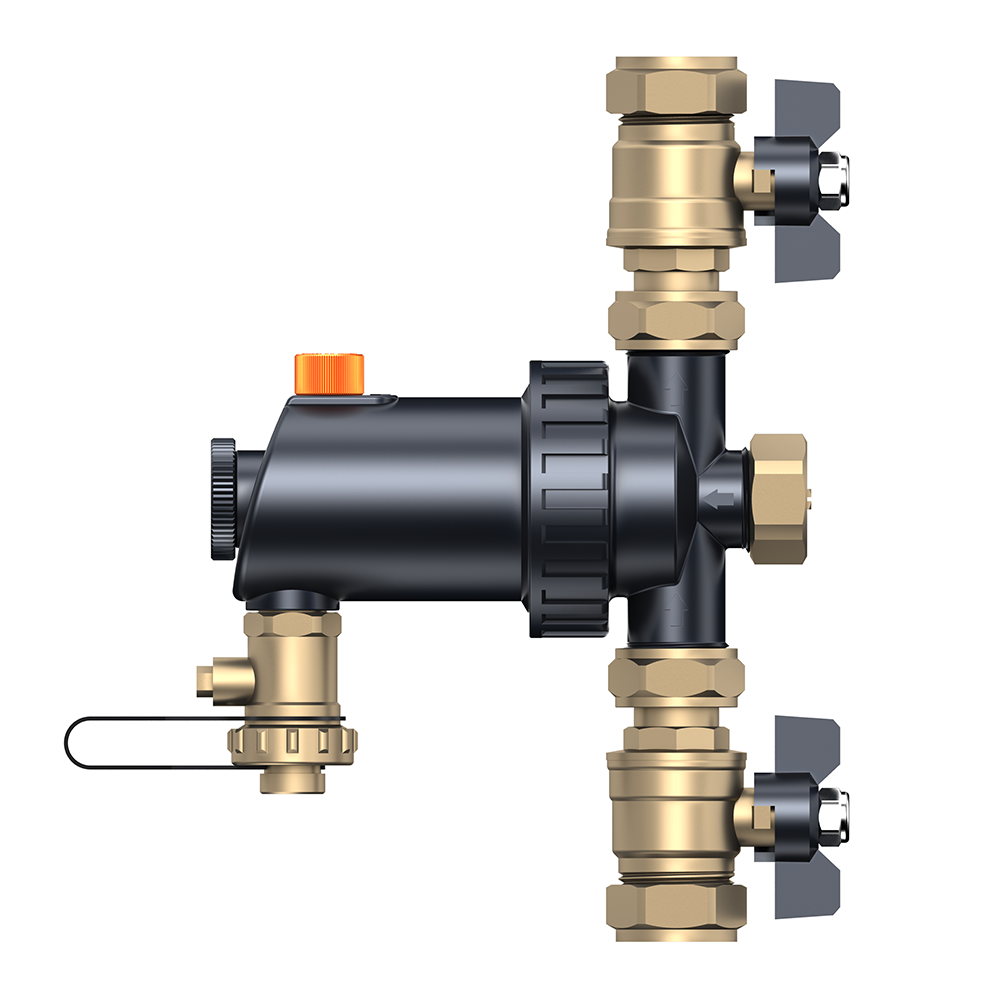
Heating systems are critical infrastructure investments for residential, commercial, and industrial facilities, yet they face persistent challenges that compromise efficiency, increase operational costs, and shorten equipment lifespan. Among the most damaging yet often overlooked threats is the accumulation of ferrous debris and magnetite sludge circulating through system pipework. These metallic contaminants originate from corrosion processes within radiators, boilers, and piping networks, creating a cascading series of operational problems that can escalate from minor inefficiencies to catastrophic system failures. Understanding the protective role of magnetic filtration technology is essential for facility managers, maintenance professionals, and system designers seeking to maximize heating system performance while minimizing downtime and repair expenses.
The integration of a magnetic filter into heating system architecture addresses fundamental contamination challenges by capturing iron oxide particles, rust fragments, and other ferromagnetic materials before they can inflict damage on sensitive components. This preventive approach transforms system maintenance from reactive crisis management to proactive protection, delivering measurable improvements in thermal efficiency, component longevity, and overall system reliability. By examining the specific problems that magnetic filtration prevents, operators can make informed decisions about system protection strategies and recognize the tangible return on investment that quality filtration equipment provides across diverse heating applications.
Boiler Component Damage Prevention
Heat Exchanger Blockage and Efficiency Loss
Heat exchangers represent the thermal heart of modern heating systems, transferring energy from combustion processes to circulating water with precision-engineered efficiency. When ferrous debris accumulates within heat exchanger passages, it creates insulating layers that dramatically impede thermal transfer. A magnetic filter intercepts these iron oxide particles before they reach the heat exchanger, preventing the gradual buildup that forces boilers to work harder and consume more fuel to achieve target temperatures. This protective function is particularly critical in condensing boilers, where narrow waterways and compact designs make them especially vulnerable to blockage-related efficiency degradation.
The economic impact of heat exchanger contamination extends beyond elevated fuel consumption. When magnetite sludge coats internal surfaces, localized hot spots develop as heat cannot dissipate properly through the contaminated sections. These thermal stress points accelerate metal fatigue and can lead to pinhole leaks or catastrophic heat exchanger failure requiring expensive component replacement. By maintaining clean heat exchanger surfaces through continuous magnetic filtration, systems preserve their design efficiency ratings and avoid the premature capital expenditure associated with early component failure.
Pump Seal and Bearing Protection
Circulation pumps operate continuously in most heating systems, moving water through distribution networks under constant mechanical stress. The presence of abrasive ferrous particles in circulating fluid creates a grinding environment that accelerates wear on pump seals, bearings, and impeller surfaces. A magnetic filter positioned strategically within the system flow path captures these destructive particles, extending pump service life by eliminating the primary cause of premature mechanical failure in these critical components.
Pump replacement represents not only significant direct costs but also system downtime that disrupts building operations and occupant comfort. The mechanical damage caused by contaminated system water manifests gradually through increased vibration, reduced flow rates, and eventual seal failure leading to water leakage. By removing ferrous contaminants before they reach pump assemblies, magnetic filtration preserves the precision tolerances required for efficient pump operation and eliminates the erosive wear patterns that compromise seal integrity over time.
Valve and Control Component Reliability
Modern heating systems incorporate numerous control valves, zone valves, and thermostatic mixing devices that regulate flow and temperature with precision. These components feature tight clearances and delicate internal mechanisms that are particularly susceptible to jamming or binding when ferrous debris enters their operating chambers. Magnetic filter installation prevents particle ingress into these sensitive devices, ensuring reliable modulation and control function throughout system operation. This protection is especially valuable in systems with motorized valves where contamination can cause actuator motor overload and premature electrical component failure.
The cost implications of valve malfunction extend beyond component replacement to include diagnostic labor, emergency service calls, and the cascading effects of improper system balancing. When control valves fail to operate correctly due to contamination-induced binding, entire zones may experience inadequate heating or overheating conditions that prompt occupant complaints and require extensive troubleshooting. By maintaining clean operating conditions through effective magnetic filtration, systems preserve the precise control characteristics essential for comfort delivery and energy optimization.
System Efficiency and Performance Preservation
Flow Rate Maintenance and Distribution Balance
Contaminated heating systems experience progressive restriction of flow pathways as magnetite sludge accumulates in pipework, radiator waterways, and manifold connections. This gradual constriction reduces system flow rates, compromising heat distribution effectiveness and creating uneven temperature patterns throughout the heated space. A magnetic filter continuously removes the particles that would otherwise settle in low-velocity areas, maintaining design flow rates and preserving the hydraulic balance essential for proper system operation across all distribution zones.
The relationship between flow rate and heating effectiveness is direct and significant. When contamination restricts circulation, remote radiators receive insufficient hot water volume, leading to cold spots and comfort complaints even as the boiler operates at full capacity. This condition forces system operators to increase water temperatures or extend operating hours, driving up energy consumption without achieving satisfactory comfort levels. Magnetic filter protection prevents this efficiency degradation by ensuring that design flow rates are maintained throughout system lifecycle, preserving the thermal performance that engineers intended during initial system specification.
Energy Consumption Reduction
The insulating effect of ferrous contamination on heat transfer surfaces directly translates to increased fuel consumption as boilers compensate for reduced thermal efficiency. Studies have documented efficiency losses ranging from fifteen to thirty percent in heavily contaminated systems, representing substantial ongoing operational costs that accumulate over heating seasons. Magnetic filter integration prevents this efficiency degradation by maintaining clean heat exchange surfaces, allowing systems to achieve target temperatures with minimum fuel input and preserving the energy performance metrics that determine operating cost profiles.
Beyond direct fuel savings, the energy preservation enabled by magnetic filtration contributes to environmental sustainability objectives and regulatory compliance in jurisdictions with emissions standards or energy efficiency mandates. Clean systems reach operating temperature faster, experience shorter boiler cycling periods, and maintain stable operation without the performance fluctuations characteristic of contaminated equipment. These operational improvements translate to measurable reductions in carbon footprint and operating expenses that justify filtration investment through rapid payback periods typically measured in months rather than years.
Temperature Consistency and Comfort Delivery
Contamination-induced flow restrictions and heat transfer impediments create temperature inconsistencies that manifest as uneven heating patterns, slow warm-up times, and difficulty maintaining setpoint temperatures. These comfort problems prompt occupant complaints and necessitate constant thermostat adjustments that compromise energy efficiency. Magnetic filter protection ensures consistent thermal performance by preventing the accumulation of debris that disrupts proper heat distribution and system response characteristics.
The value of temperature consistency extends beyond occupant satisfaction to impact process requirements in industrial applications where thermal stability is critical for product quality or operational continuity. In commercial buildings, inconsistent heating affects tenant satisfaction and can influence lease renewal decisions or property valuations. By maintaining the temperature uniformity that clean, properly functioning heating systems deliver, magnetic filtration supports both operational objectives and business outcomes across diverse facility types.
Corrosion Control and System Longevity Extension
Corrosion Cycle Interruption
The presence of dissolved oxygen and iron oxide particles in heating system water creates an electrochemical environment that accelerates corrosion throughout the distribution network. As existing rust particles circulate through the system, they act as catalysts for additional corrosion at new sites, establishing a self-perpetuating degradation cycle that progressively consumes system components. Magnetic filter implementation breaks this destructive cycle by removing the iron oxide particles that would otherwise facilitate continued corrosion propagation, significantly extending the service life of piping, radiators, and boiler components.
The relationship between suspended contamination and ongoing corrosion represents one of the most insidious threats to heating system longevity. Each particle of magnetite in circulation provides nucleation sites for additional oxidation reactions, while the abrasive action of particle movement mechanically damages protective oxide layers on metal surfaces. By continuously extracting these particles from system water, magnetic filter technology reduces corrosion rates and preserves the passive surface conditions that minimize metal dissolution and system degradation over extended operational periods.
Radiator and Emitter Protection
Radiators and terminal heating units are particularly vulnerable to magnetite accumulation because their internal waterways often feature horizontal runs and complex geometries where particles settle under gravity. This sludge buildup reduces the effective heat transfer area within radiators, creating cold spots at the bottom of units while forcing water to flow through increasingly restricted passages. Magnetic filter installation prevents radiator contamination by capturing ferrous debris before it reaches these terminal units, ensuring that full radiator surfaces remain active and effective throughout their design service life.
The cost implications of radiator contamination include not only reduced heating effectiveness but also the labor-intensive process of radiator removal, flushing, and reinstallation required to restore performance in heavily contaminated units. In multi-story buildings or facilities with numerous heating zones, this maintenance burden can become prohibitively expensive and disruptive. By preventing radiator sludge accumulation through continuous magnetic filtration, facility operators avoid these periodic cleaning requirements and maintain consistent heating output from all installed emitters.
Pipework Integrity Preservation
The distribution piping that connects heating system components faces corrosion threats from both internal water-side conditions and the mechanical erosion caused by abrasive particle movement in flowing water. This dual attack gradually thins pipe walls, creates weak points susceptible to leakage, and can ultimately necessitate extensive repiping projects involving significant capital investment and operational disruption. Magnetic filter protection addresses the internal contamination factor by removing the abrasive particles that accelerate pipe wear, complementing proper water treatment and system design to maximize pipework service life.
The strategic value of pipework preservation becomes especially apparent in older buildings where distribution networks may be concealed within walls, floors, or ceilings. Pipe failures in these locations require invasive repair work that damages finishes, disrupts occupancy, and incurs costs far exceeding the direct expense of pipe replacement. By preventing the contamination-driven corrosion and erosion that lead to these failures, magnetic filtration delivers protection that preserves both the physical infrastructure and the architectural integrity of buildings served by heating systems.
Maintenance Cost Reduction and Operational Reliability
System Cleaning and Flushing Frequency Reduction
Conventional heating system maintenance protocols recommend periodic power flushing to remove accumulated magnetite and restore system performance. These intensive cleaning procedures require specialized equipment, skilled technicians, and system downtime that disrupts building operations. Magnetic filter integration dramatically extends the intervals between required flushing operations by continuously removing contamination as it forms, preventing the heavy accumulation that necessitates aggressive cleaning interventions. This reduction in maintenance frequency translates directly to lower lifecycle costs and improved system availability.
The operational benefits of extended cleaning intervals extend beyond direct cost savings to include reduced wear on system components from the aggressive flushing process itself. Power flushing generates high-velocity flows and pressure surges that can stress joints, dislodge deposits suddenly, and potentially damage sensitive control devices. By maintaining inherently cleaner system conditions through continuous magnetic filtration, facilities minimize exposure to these aggressive maintenance procedures and preserve the gentle operating environment that maximizes component longevity.
Emergency Repair and Downtime Avoidance
Contamination-related failures often occur without warning, forcing facility operators to arrange emergency repairs during occupied periods or extreme weather conditions when heating system operation is most critical. These unplanned maintenance events incur premium labor rates, expedited parts procurement costs, and the substantial indirect expenses associated with system downtime in commercial or industrial settings. Magnetic filter protection prevents the contamination buildup that leads to sudden component failures, enabling predictable maintenance scheduling and eliminating the costly emergency interventions that characterize reactive maintenance approaches.
The reliability improvement enabled by magnetic filtration supports planned maintenance strategies where component service occurs during scheduled downtime periods with advance preparation and optimized resource allocation. This transition from reactive to proactive maintenance reduces overall maintenance costs while improving system availability and operator confidence in heating infrastructure. For mission-critical facilities where heating system failure poses safety concerns or operational continuity risks, the failure prevention enabled by magnetic filter technology represents essential risk mitigation that protects both assets and organizational objectives.
Component Replacement Cycle Extension
Every heating system component has a design service life based on normal operating conditions and proper maintenance. Contamination exposure dramatically accelerates wear and shortens these service intervals, forcing premature replacement of expensive items like pumps, heat exchangers, and control valves. Magnetic filter implementation restores and even extends design service life by providing the clean operating environment that component manufacturers assume in their longevity specifications. This extension of replacement cycles reduces capital expenditure requirements and improves the return on investment from heating infrastructure assets.
The cumulative financial impact of extended component life becomes substantial when calculated across entire system lifecycles. A circulation pump that serves fifteen years instead of seven, or a heat exchanger that operates twenty years instead of twelve, represents significant avoided costs that multiply across the numerous components comprising a complete heating installation. By preserving component condition through continuous contamination removal, magnetic filter technology delivers ongoing value that far exceeds initial equipment investment, making it one of the most cost-effective protective measures available for heating system operators.
Application Considerations and Installation Benefits
System Type Compatibility and Universal Application
Magnetic filter technology adapts effectively to diverse heating system configurations including conventional boiler systems, condensing boilers, heat pump installations, and district heating connections. This universal applicability stems from the fundamental nature of ferrous contamination as a common challenge across all water-based heating systems regardless of heat source or distribution design. Whether protecting a compact residential system or an extensive commercial installation, magnetic filter integration provides consistent contamination removal performance that addresses the core problem of iron oxide circulation in heating water.
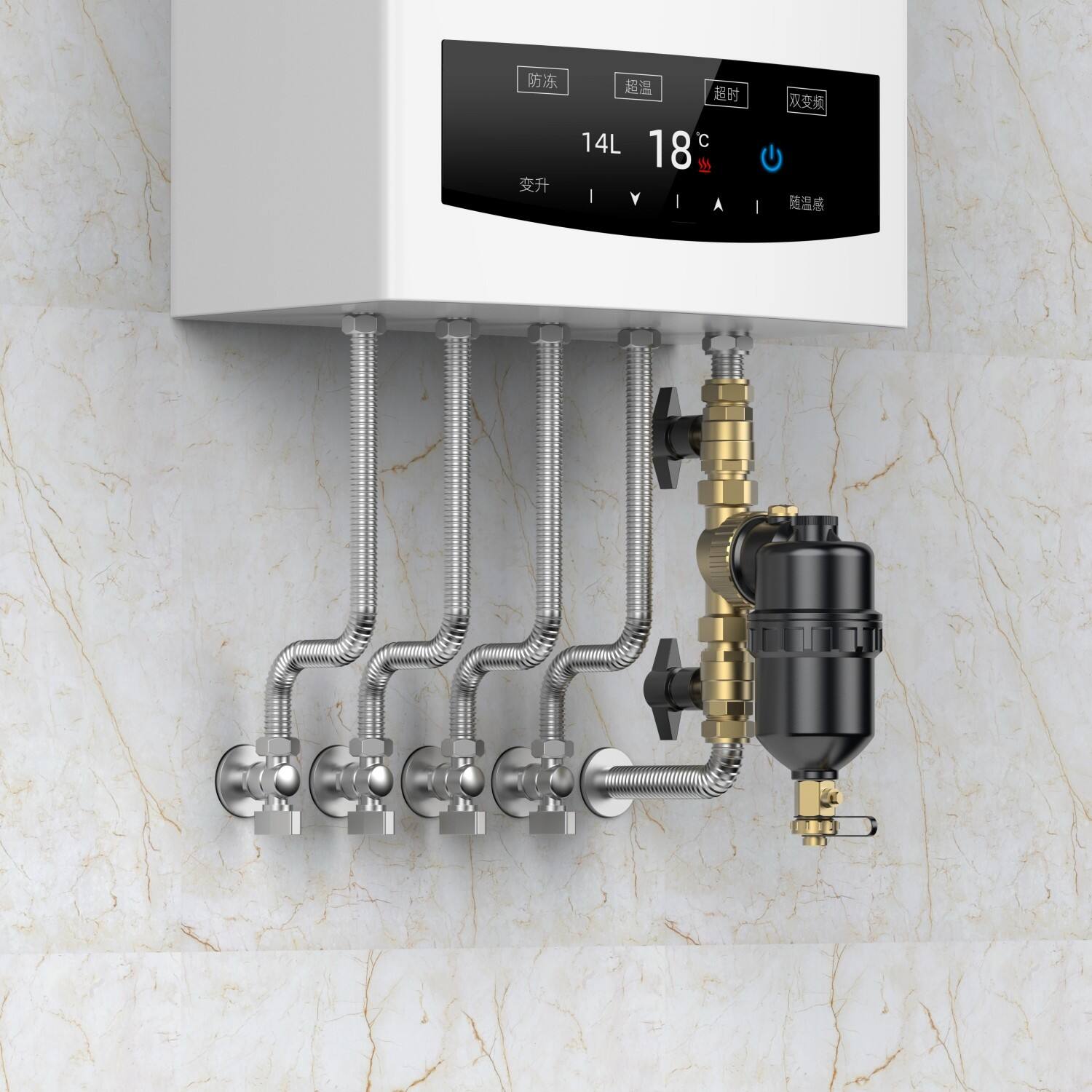
The flexibility of magnetic filter design allows installation in various system locations to optimize protection based on specific layout requirements and contamination sources. Common installation points include return piping immediately before boiler entry, primary circuit locations in multi-zone systems, or dedicated positions within plant room manifold arrangements. This adaptability ensures that facilities can implement magnetic filtration regardless of existing system configuration or space constraints, bringing protective benefits to both new construction projects and retrofit applications in established buildings.
Installation Process and System Integration
Modern magnetic filter designs facilitate straightforward installation through standard pipe connections that integrate seamlessly with existing heating system pipework. The installation process typically requires minimal system downtime and can often be accomplished during routine maintenance periods without extensive disruption to building operations. This ease of integration removes implementation barriers and enables facility operators to add magnetic filtration protection to existing systems without major renovation projects or extended service interruptions.
The physical footprint of contemporary magnetic filter units accommodates installation in space-constrained environments common in mechanical rooms and plant areas. Compact designs with service-friendly features allow maintenance access without requiring extensive clearances or special positioning considerations. This space efficiency combined with universal pipe sizing compatibility means that magnetic filtration can be added to virtually any heating system regardless of age, configuration, or physical constraints that might complicate other system upgrades.
Maintenance Requirements and Service Procedures
The operational simplicity of magnetic filter technology extends to maintenance requirements, which typically involve periodic inspection and cleaning at intervals determined by system contamination levels. The service procedure consists of isolating the filter unit, removing the magnetic core, and wiping captured debris from the magnetic surface before reinstallation. This straightforward process requires no specialized tools or technical expertise, allowing facility maintenance staff to perform routine service without external contractor support or extended system downtime.
Transparent housing designs on many magnetic filter models provide visual indication of contamination capture rates, enabling maintenance staff to optimize cleaning intervals based on actual system conditions rather than arbitrary schedules. This visibility also serves as a diagnostic tool, with sudden increases in particle capture suggesting emerging corrosion issues that warrant investigation. The combination of simple maintenance requirements and useful diagnostic feedback makes magnetic filtration an operationally practical solution that enhances rather than complicates facility maintenance programs.
FAQ
How quickly does a magnetic filter begin protecting a heating system after installation?
A magnetic filter starts capturing ferrous contamination immediately upon system startup following installation, with protective benefits accruing from the first day of operation. However, maximum system cleanliness typically develops over several weeks as the filter progressively removes existing contamination from circulation. In heavily contaminated systems, initial cleaning intervals may be shorter as accumulated debris is extracted, with service frequency decreasing as the system reaches a cleaner equilibrium state. The immediate protection of sensitive components like pumps and valves begins instantly, while broader efficiency improvements manifest gradually as overall system contamination levels decline through continuous filtration.
Can a magnetic filter remove contamination that has already accumulated in radiators and pipework?
Magnetic filters primarily capture contamination that is actively circulating in system water rather than deposits that have already settled in radiators or low-flow areas. However, normal system operation creates fluid turbulence and temperature variations that periodically resuspend settled debris, allowing the magnetic filter to gradually reduce overall contamination levels even in systems with existing accumulation. For optimal results in heavily contaminated systems, professional power flushing followed by magnetic filter installation provides immediate cleaning combined with ongoing protection against recontamination. The filter then maintains system cleanliness by preventing new contamination formation and capturing any residual particles that become mobilized during normal operation.
What size magnetic filter is appropriate for different heating system capacities?
Magnetic filter sizing depends on system flow rates and pipe dimensions rather than boiler output alone, with manufacturers providing specifications matching filters to pipe sizes commonly used in residential, light commercial, and industrial applications. Typical residential systems with pipe diameters from fifteen to twenty-eight millimeters use compact filters designed for these connection sizes, while larger commercial installations may require industrial-grade filters accommodating higher flow rates and larger pipe dimensions. Proper sizing ensures adequate filtration capacity without creating excessive pressure drop that could affect system circulation. Consultation with heating system professionals or filter manufacturers helps determine the optimal unit size based on specific system characteristics and protection requirements.
Do magnetic filters require replacement or only periodic cleaning?
Quality magnetic filters are designed as permanent system components requiring only periodic cleaning rather than replacement, with magnetic cores maintaining full effectiveness indefinitely under normal operating conditions. The cleaning process removes captured contamination from magnetic surfaces without degrading the magnetic field strength or filtration capability. Housing components and seals may eventually require service or replacement after many years of operation, but the core filtration function remains effective throughout system lifecycle. This durability makes magnetic filtration a one-time investment that delivers ongoing protection without recurring replacement costs, contrasting favorably with disposable filter technologies that require regular cartridge replacement and associated ongoing expenses.
Table of Contents
- Boiler Component Damage Prevention
- System Efficiency and Performance Preservation
- Corrosion Control and System Longevity Extension
- Maintenance Cost Reduction and Operational Reliability
- Application Considerations and Installation Benefits
-
FAQ
- How quickly does a magnetic filter begin protecting a heating system after installation?
- Can a magnetic filter remove contamination that has already accumulated in radiators and pipework?
- What size magnetic filter is appropriate for different heating system capacities?
- Do magnetic filters require replacement or only periodic cleaning?