
 EN
EN



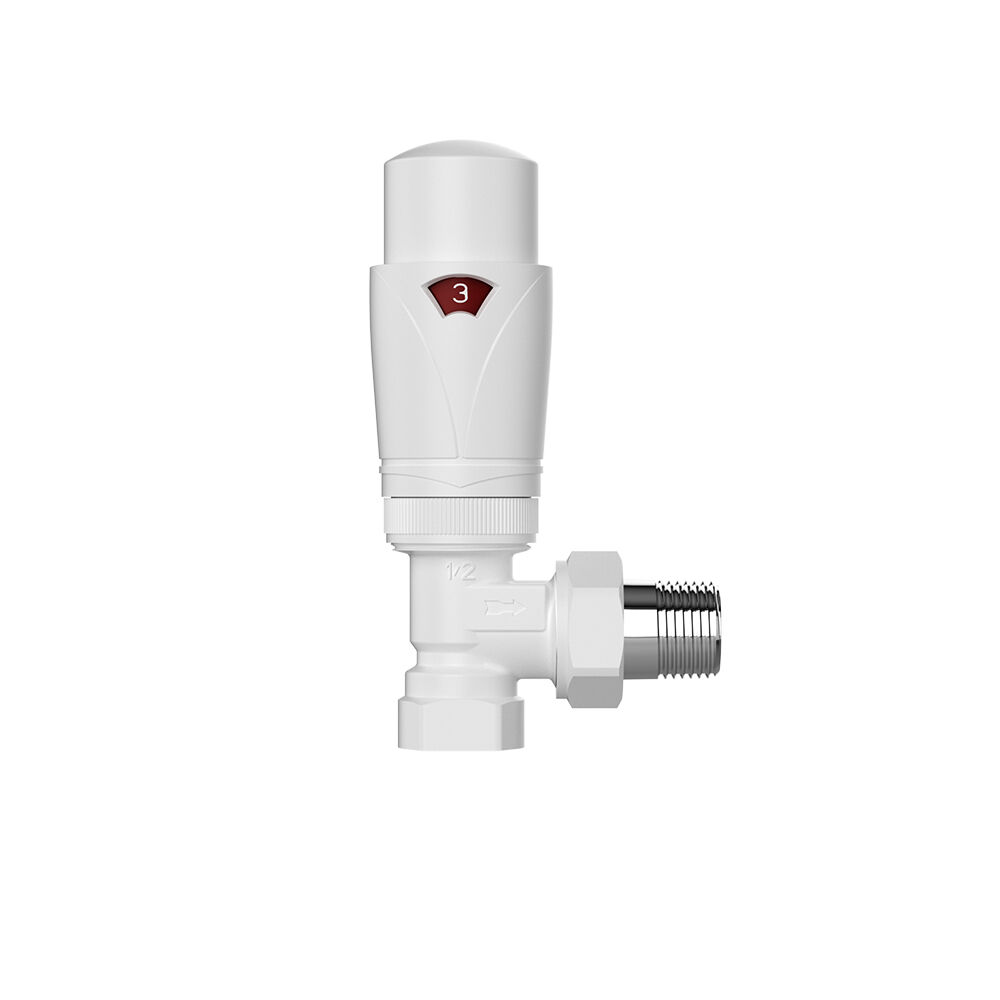
Selecting the appropriate radiator valve for your heating system is a critical decision that directly impacts energy efficiency, comfort levels, and long-term operational costs. Modern heating systems rely heavily on precise temperature control mechanisms, with radiator valves serving as the primary interface between user preferences and actual room temperature regulation. Understanding the various types, features, and compatibility requirements of radiator valves ensures optimal performance and helps homeowners make informed purchasing decisions that align with their specific heating infrastructure and comfort needs.
Understanding Different Types of Radiator Valves
Manual Radiator Valve Options
Manual radiator valves represent the most straightforward approach to heating control, offering direct user intervention through simple turning mechanisms. These traditional valves require physical adjustment to regulate water flow through individual radiators, providing basic on-off functionality or variable flow control. The primary advantage of manual radiator valve systems lies in their simplicity, reliability, and lower initial investment compared to automated alternatives. However, they demand constant user attention to maintain optimal room temperatures and may result in energy waste when rooms are unoccupied for extended periods.
The construction of manual radiator valves typically involves brass or chrome-plated materials designed to withstand continuous water pressure and temperature fluctuations. Installation procedures are generally straightforward, making them suitable for retrofit applications in existing heating systems. Despite their basic functionality, manual valves remain popular in commercial settings where individual room control is less critical, or in residential applications where occupants prefer direct control over their heating environment without technological complexity.
Thermostatic Radiator Valve Technology
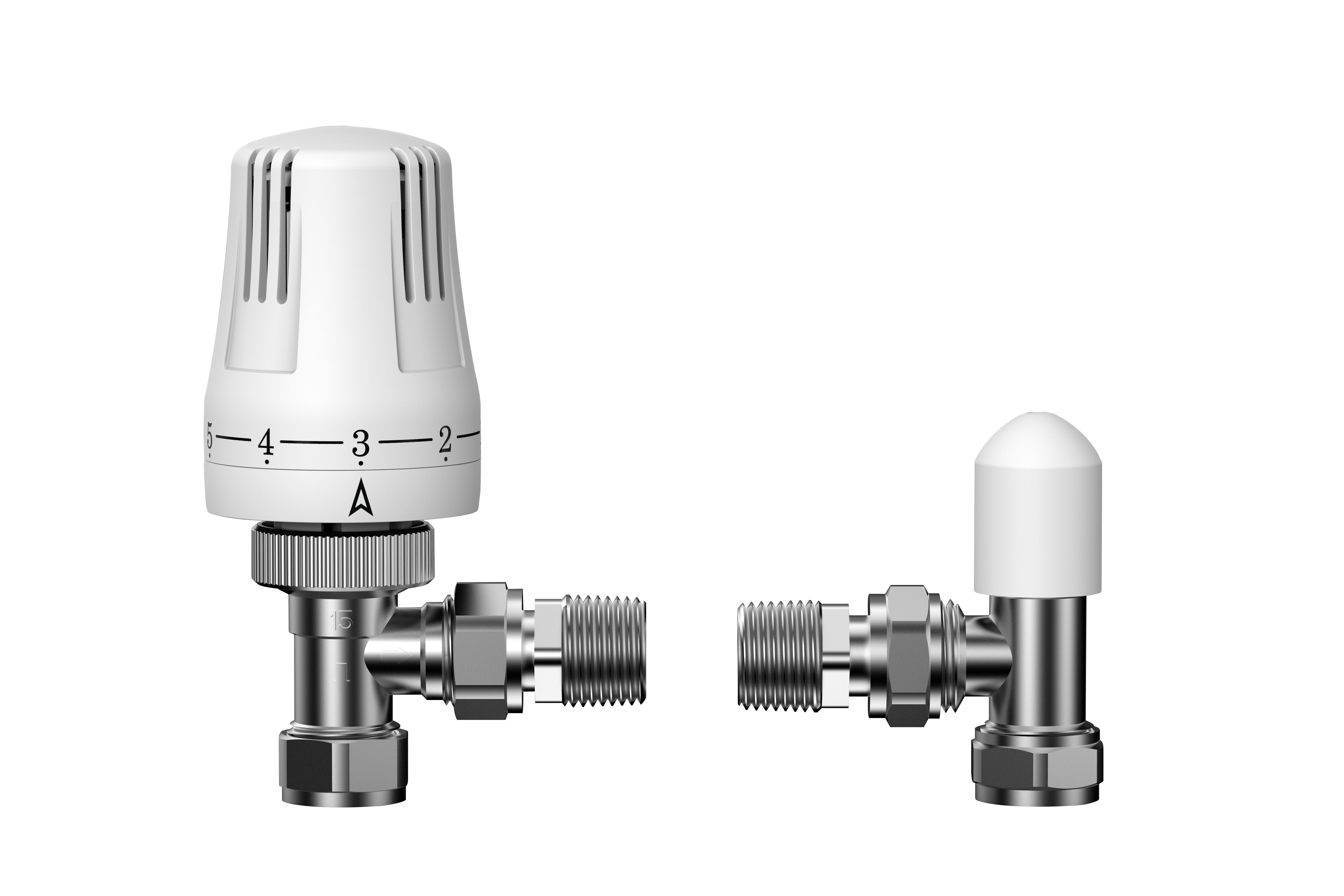
Thermostatic radiator valves incorporate temperature-sensing elements that automatically adjust water flow based on ambient room conditions. These sophisticated devices utilize wax-filled sensors or liquid-filled bellows that expand and contract in response to temperature changes, providing hands-free operation and consistent comfort levels. The thermostatic radiator valve mechanism responds to actual room temperature rather than water temperature, ensuring more accurate climate control and reducing energy consumption through precise regulation.
Advanced thermostatic radiator valve models feature numbered settings that correspond to specific temperature ranges, typically from 1 (approximately 10°C) to 5 (approximately 25°C). This graduated control system allows users to set desired comfort levels for different rooms while maintaining automatic adjustment capabilities. The response time of quality thermostatic valves is typically 15-30 minutes, providing reasonable adaptation to changing environmental conditions without excessive overshooting or undershooting of target temperatures.
Key Technical Specifications and Compatibility
Valve Connection Standards
Radiator valve compatibility depends significantly on connection standards that vary between manufacturers and regional specifications. European markets predominantly utilize M30 x 1.5mm threading, while other regions may employ different standards such as 3/4 inch BSP or NPT connections. Understanding these specifications is crucial for ensuring proper fit and avoiding costly installation complications. The radiator valve body must match both the radiator inlet size and the heating system pipe connections to achieve leak-proof operation.
Modern radiator valve designs often incorporate universal adapters or multiple connection options to accommodate various radiator types and pipe configurations. Quality manufacturers provide detailed compatibility charts that specify which valve models work with different radiator brands and connection types. Professional installers typically verify these specifications before procurement to avoid field modifications or returns that can delay project completion and increase overall costs.
Flow Rate and Pressure Considerations
Flow rate capacity represents a fundamental specification that determines how effectively a radiator valve can regulate heat output. Measured in gallons per minute or liters per hour, flow rates must align with radiator heat output requirements and overall system circulation capacity. Undersized valves restrict flow and reduce heating efficiency, while oversized valves may not provide adequate control precision at low flow conditions typical of energy-efficient systems.
System pressure ratings ensure that radiator valve components can withstand operating conditions without failure or leakage. Typical residential systems operate between 1-2 bar pressure, while commercial installations may require higher pressure ratings. The radiator valve selection process must account for maximum system pressure, including pressure surges that occur during pump startup or thermal expansion events.
Installation Requirements and Professional Considerations
Preparatory Steps and System Assessment
Successful radiator valve installation begins with comprehensive system assessment to identify compatibility issues and determine optimal valve placement strategies. Professional installers evaluate existing piping configurations, radiator types, and system pressure characteristics before recommending specific valve solutions. This preliminary analysis helps avoid common installation pitfalls such as valve orientation problems, inadequate clearance for maintenance access, or conflicts with existing control systems that could compromise performance.
System drainage and isolation procedures are essential preparatory steps that protect both the installation environment and existing heating components. Proper isolation involves closing supply and return valves, draining affected circuits, and verifying that pressure has been safely released before beginning valve replacement work. Professional installers utilize specialized tools to minimize water spillage and protect surrounding surfaces from potential damage during the installation process.
Professional Installation Techniques
Expert radiator valve installation requires specific tools and techniques to ensure leak-free connections and optimal performance. Thread sealing compounds or PTFE tape application prevents water leakage while allowing for future maintenance access when properly applied according to manufacturer specifications. Torque specifications must be carefully followed to avoid over-tightening that could damage valve components or under-tightening that results in persistent leaks.
Post-installation testing protocols verify proper radiator valve operation and system integration before completion. This includes pressure testing to confirm seal integrity, functional testing to verify temperature response, and system balancing to ensure uniform heat distribution throughout the building. Professional installers document installation parameters and provide operation instructions to building occupants, ensuring long-term satisfaction with the new valve performance.
Energy Efficiency and Cost-Benefit Analysis
Operational Energy Savings
Modern radiator valve technology contributes significantly to overall heating system efficiency through precise temperature control and reduced energy waste. Thermostatic valves can reduce heating energy consumption by 15-25% compared to manual systems by automatically adjusting flow rates based on actual room temperature rather than fixed settings. This automatic adjustment prevents overheating and reduces unnecessary energy consumption when rooms are unoccupied or receive solar heat gain.
Zone control capabilities enabled by individual radiator valve regulation allow homeowners to heat only occupied areas, further reducing energy consumption and operating costs. This targeted approach is particularly beneficial in larger homes where certain rooms may be unused for extended periods. Quality radiator valve installations can pay for themselves through energy savings within 2-4 years, depending on local energy costs and usage patterns.
Long-Term Investment Considerations
The initial investment in quality radiator valve systems should be evaluated against long-term operational benefits and maintenance requirements. Premium valve components typically offer extended service life, reduced maintenance needs, and more precise temperature control compared to economy alternatives. Professional-grade radiator valve systems often include warranty coverage and readily available replacement parts that protect the long-term investment value.
Maintenance costs for modern radiator valve systems are generally minimal, requiring primarily annual inspection and occasional calibration to maintain optimal performance. Quality valves feature self-cleaning mechanisms and durable internal components that resist mineral buildup and mechanical wear. Regular maintenance protocols can extend valve service life beyond 15 years while maintaining consistent performance and energy efficiency benefits throughout the operational period.
Troubleshooting Common Radiator Valve Issues
Performance Problems and Solutions
Radiator valve performance issues often manifest as inadequate temperature control, unusual noises, or inconsistent heating patterns that affect occupant comfort. Sticking valves represent the most common problem, typically caused by mineral deposits or debris that interfere with internal moving components. Regular maintenance procedures can prevent most valve sticking issues, while professional cleaning services can restore proper function to affected valves without requiring complete replacement.
Temperature control problems with thermostatic radiator valve systems may indicate calibration drift or sensor contamination that affects temperature sensing accuracy. Professional technicians can recalibrate valve settings and clean sensor elements to restore proper temperature response. In some cases, radiator valve replacement may be more cost-effective than extensive repair procedures, particularly for older valves that have exceeded their expected service life.
Leak Prevention and Repair Strategies
Radiator valve leaks can develop at connection points, valve stems, or internal sealing surfaces due to thermal cycling, pressure fluctuations, or component wear. Early detection and prompt repair prevent water damage and maintain system efficiency. Minor leaks at threaded connections often respond to retorquing or seal replacement, while internal leaks may require valve rebuild or replacement depending on the extent of component wear.
Preventive maintenance programs help identify potential leak sources before they cause significant problems or water damage. Professional inspection services can detect early signs of valve deterioration and recommend appropriate maintenance or replacement strategies. Quality radiator valve installations with proper maintenance typically provide reliable service for many years with minimal leak-related issues.
FAQ
How often should radiator valves be replaced
Quality radiator valves typically provide reliable service for 15-20 years when properly maintained and installed according to manufacturer specifications. Replacement frequency depends on water quality, system operating conditions, and valve quality, with premium valves generally lasting longer than economy alternatives. Signs that indicate replacement needs include persistent leaking, inadequate temperature control, or mechanical sticking that cannot be resolved through cleaning or calibration procedures.
Can I install radiator valves myself or do I need a professional
While basic radiator valve replacement may seem straightforward, professional installation is strongly recommended to ensure proper compatibility, leak-free connections, and optimal system performance. Professional installers possess the specialized tools, experience, and knowledge necessary to handle unexpected complications that commonly arise during valve replacement projects. DIY installation attempts often result in leaks, system damage, or performance problems that ultimately require professional correction at greater expense.
What temperature settings work best for different rooms
Optimal radiator valve temperature settings vary by room function and occupancy patterns, with living areas typically set between 18-21°C, bedrooms at 16-18°C, and bathrooms at 20-22°C for comfort. Kitchen areas may require lower settings due to heat generated by appliances, while home offices benefit from consistent temperatures around 19-20°C for productivity. Individual preferences and local climate conditions influence ideal settings, making adjustable thermostatic valves particularly valuable for maintaining personalized comfort levels.
How do I know if my current radiator valve is compatible with my heating system
Radiator valve compatibility depends on connection thread sizes, system pressure ratings, and valve flow capacity that must match existing radiator and piping specifications. Professional assessment can verify compatibility by measuring existing connections, reviewing system documentation, and evaluating current valve performance characteristics. Manufacturer specifications provide detailed compatibility information, while heating system professionals can recommend suitable valve options that ensure proper fit and optimal performance within existing system parameters.