
 EN
EN



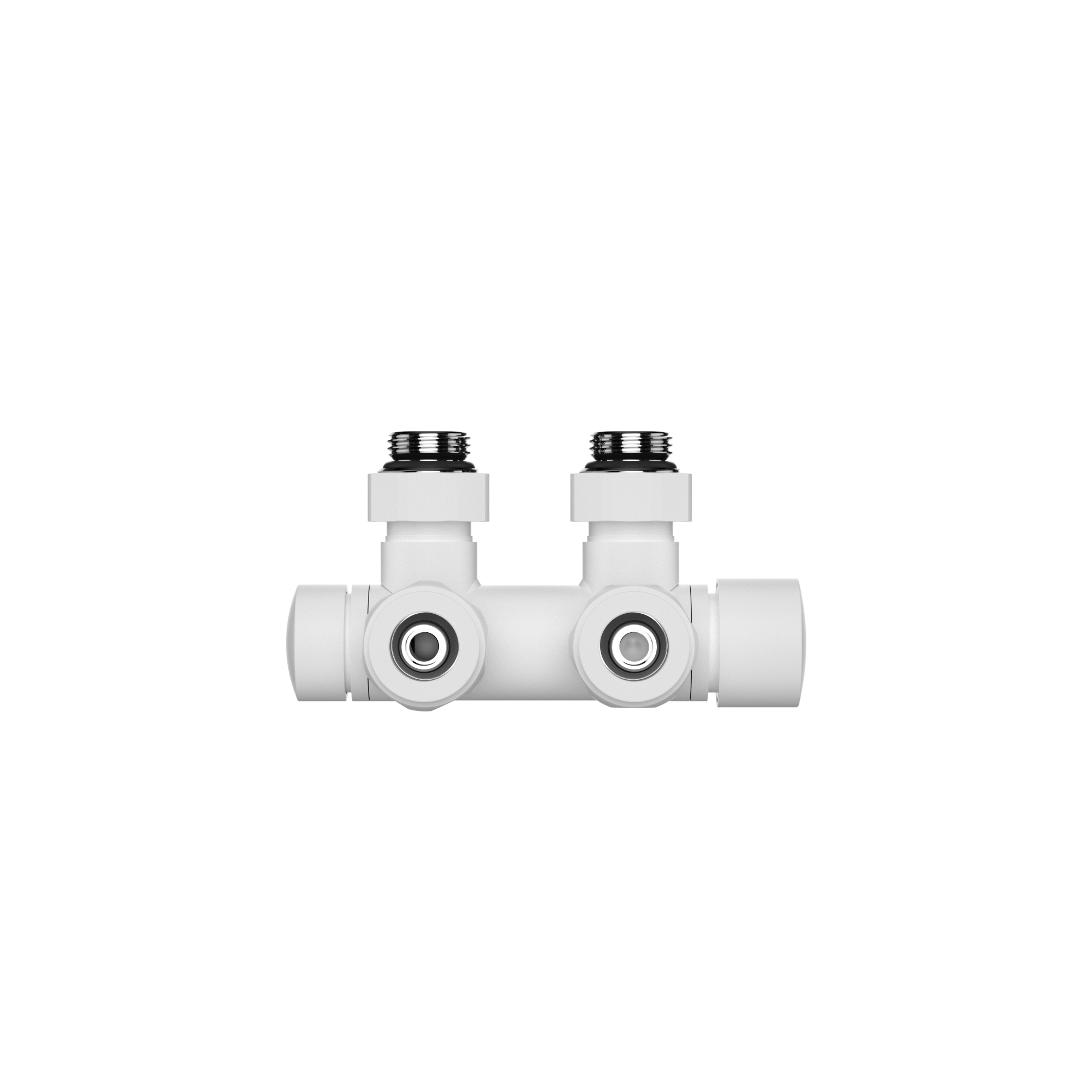
Proper maintenance of plumbing fittings forms the backbone of any reliable water distribution system, whether in residential, commercial, or industrial settings. Understanding how to care for these essential components can save property owners thousands of dollars in water damage while ensuring consistent performance. Modern plumbing fittings require systematic attention to detail, regular inspection protocols, and proactive maintenance strategies to prevent costly leaks and system failures.
Understanding Common Types of Plumbing Fittings and Their Vulnerabilities
Compression Fittings and Seal Integrity
Compression fittings represent one of the most common connection methods in modern plumbing systems, particularly in applications involving copper and PEX tubing. These plumbing fittings rely on mechanical compression to create watertight seals, making them susceptible to loosening over time due to thermal expansion and contraction cycles. The ferrule or compression ring within these fittings can gradually deform under pressure, leading to microscopic gaps that eventually develop into visible leaks.
Regular inspection of compression fittings should focus on detecting early signs of moisture around connection points, mineral deposits that indicate slow seepage, and any visible corrosion on metal components. Professional plumbers recommend checking these fittings quarterly in high-use areas and annually in less frequently accessed locations. The key to maintaining compression fittings lies in understanding that over-tightening can damage the ferrule just as much as under-tightening can cause immediate leaks.
Threaded Connections and Thread Seal Maintenance
Threaded plumbing fittings create connections through spiral grooves cut into pipe ends and fitting interiors, relying on thread sealants or tape to prevent water infiltration. These connections face unique challenges from pipe movement, vibration, and the gradual deterioration of sealing compounds over extended periods. Thread seal materials such as PTFE tape, pipe dope, or liquid thread sealants can dry out, crack, or lose adhesion, creating pathways for water to escape.
Maintenance protocols for threaded connections should include periodic retightening using appropriate torque specifications to avoid cross-threading or damage to the fitting body. Visual inspection for white mineral buildup, rust stains, or actual water droplets provides early warning signs of seal failure. When maintaining these plumbing fittings, property owners should document connection dates and seal replacement schedules to establish predictive maintenance intervals based on actual performance data.
Preventive Inspection Techniques for Early Leak Detection
Visual Assessment Methods
Systematic visual inspection remains the most cost-effective method for identifying potential failures in plumbing fittings before they develop into major leaks. This process involves examining all accessible connections for signs of corrosion, mineral deposits, water stains, or actual moisture accumulation. Professional maintenance protocols recommend using flashlights or work lights to illuminate connection points that may be shadowed or difficult to see under normal lighting conditions.
Effective visual inspection requires understanding the difference between normal condensation and actual leakage, particularly in humid environments or areas with significant temperature variations. Plumbing fittings located in basements, crawl spaces, or mechanical rooms may show condensation that mimics leak symptoms, making it essential to distinguish between environmental moisture and actual system failures. Documentation through photographs can help track changes in fitting condition over time and identify patterns that indicate impending failures.
Pressure Testing and Flow Analysis
Pressure testing provides definitive evidence of leak development in plumbing fittings by isolating system sections and monitoring pressure retention over specific time periods. This diagnostic approach can identify microscopic leaks that may not be visible during routine visual inspections but still represent significant water loss and potential damage risks. Modern pressure testing equipment allows for precise measurement of pressure drops that indicate compromised fitting integrity.
Flow analysis complements pressure testing by measuring water consumption patterns that may indicate hidden leaks in plumbing fittings throughout the distribution system. Unexplained increases in water usage, pressure drops during peak demand periods, or inconsistent flow rates can signal fitting deterioration that requires immediate attention. Advanced monitoring systems can provide continuous data on system performance, enabling proactive maintenance decisions before catastrophic failures occur.
Material-Specific Maintenance Requirements
Brass and Bronze Fitting Care
Brass and bronze plumbing fittings offer excellent durability and corrosion resistance but require specific maintenance approaches to preserve their performance characteristics. These materials can develop dezincification in certain water conditions, where zinc leaches from the alloy leaving a porous copper structure that compromises fitting integrity. Regular inspection should focus on identifying the characteristic reddish-brown coloration that indicates dezincification progression.
Maintenance of brass plumbing fittings includes monitoring water quality parameters such as pH levels, chlorine concentration, and dissolved oxygen content that accelerate corrosion processes. Water treatment systems may be necessary in areas with aggressive water chemistry to extend fitting service life. Cleaning protocols should avoid abrasive materials that can remove protective oxide layers, instead using mild detergents and soft brushes to maintain surface integrity.
Stainless Steel and Specialized Alloy Considerations
Stainless steel plumbing fittings provide superior corrosion resistance but face unique challenges related to crevice corrosion, pitting, and stress corrosion cracking under specific environmental conditions. These high-performance materials require maintenance protocols that address their sensitivity to chloride exposure, temperature cycling, and galvanic coupling with dissimilar metals. Regular inspection should focus on identifying early signs of pitting or crevice attack that can rapidly progress to through-wall penetration.
Specialized maintenance for stainless steel fittings includes passivation treatments to restore protective oxide layers after installation or repair work. Chemical cleaning agents must be carefully selected to avoid damaging the chromium oxide layer that provides corrosion protection. Environmental monitoring becomes critical in applications where these plumbing fittings face exposure to aggressive chemicals, high temperatures, or marine atmospheres that can compromise their performance.
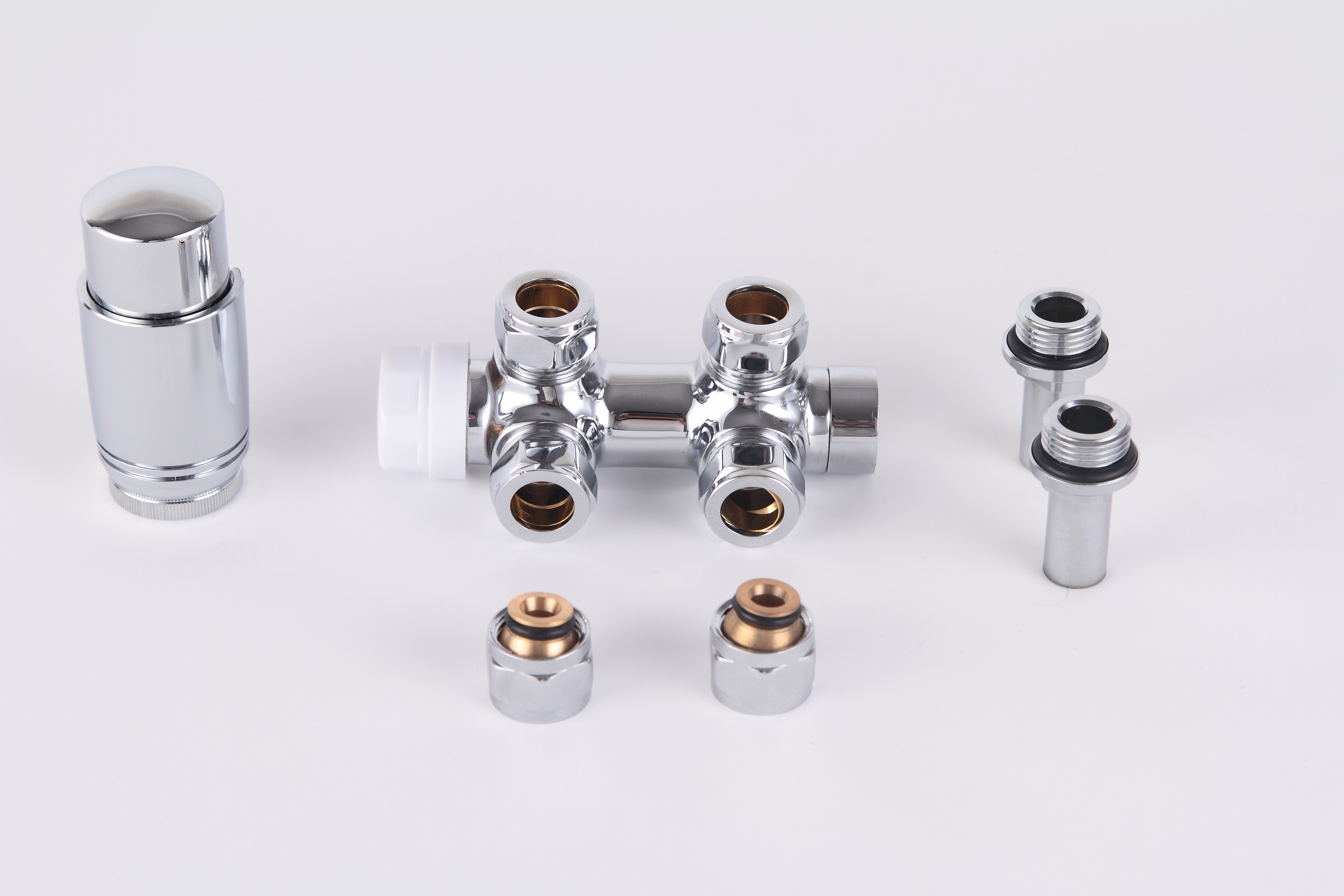
Professional Maintenance Scheduling and Documentation
Establishing Inspection Intervals
Developing effective maintenance schedules for plumbing fittings requires consideration of multiple factors including installation environment, water quality, system operating pressure, and fitting materials. High-risk applications such as those involving corrosive fluids, extreme temperatures, or critical processes may require monthly inspections, while standard residential applications typically need quarterly or semi-annual assessments. Professional maintenance programs establish baseline inspection intervals then adjust based on actual failure rates and environmental conditions.
Seasonal variations can significantly impact plumbing fittings performance, particularly in climates with significant temperature swings that create thermal stress cycling. Maintenance schedules should account for increased inspection frequency during temperature transition periods when thermal expansion and contraction place maximum stress on fitting connections. Pre-winter inspections become particularly important to identify and address potential freeze damage risks before extreme weather events occur.
Record Keeping and Trend Analysis
Comprehensive documentation of plumbing fittings maintenance activities provides invaluable data for optimizing inspection intervals, predicting failure patterns, and justifying equipment replacement decisions. Maintenance records should include inspection dates, findings, corrective actions taken, and photographic evidence of fitting conditions over time. Digital documentation systems enable trend analysis that can identify patterns indicating systemic problems or environmental factors affecting fitting performance.
Trend analysis of maintenance data helps property managers make informed decisions about upgrading plumbing fittings to more suitable materials or modifying system operating parameters to reduce failure rates. Historical data on repair costs, downtime impacts, and replacement intervals provides the foundation for cost-benefit analyses of preventive maintenance investments. Regular review of maintenance records also helps identify training needs for maintenance personnel and opportunities to improve inspection procedures.
Emergency Response and Leak Mitigation
Immediate Response Procedures
When leaks develop in plumbing fittings despite preventive maintenance efforts, rapid response procedures can minimize water damage and system disruption. Emergency protocols should include clear instructions for shutting off water supplies at multiple levels, from individual fixture valves to main system shutoffs. Property managers must ensure that all personnel understand valve locations and operating procedures before emergencies occur.
Temporary repair techniques for failed plumbing fittings can provide immediate leak control while permanent repairs are arranged. These may include pipe clamps, rubber patches, or quick-setting sealants designed for emergency applications. However, temporary repairs should never be considered permanent solutions, and affected fittings must be properly repaired or replaced as soon as possible to prevent recurring problems.
Damage Assessment and Recovery
Following leak incidents in plumbing fittings systems, thorough damage assessment helps determine the extent of required repairs and identifies contributing factors that must be addressed to prevent recurrence. Water damage evaluation should extend beyond the immediate leak location to include downstream effects on building materials, electrical systems, and other infrastructure components. Professional assessment may be necessary to identify hidden damage that could lead to future problems.
Recovery procedures should address both immediate repairs and long-term system improvements based on lessons learned from the failure event. Root cause analysis of plumbing fittings failures often reveals maintenance deficiencies, design problems, or environmental factors that require systematic correction. Post-incident reviews provide opportunities to refine maintenance procedures and improve system reliability through targeted upgrades or modifications.
FAQ
How often should plumbing fittings be inspected for potential leaks?
The inspection frequency for plumbing fittings depends on several factors including installation environment, fitting materials, and system operating conditions. For standard residential applications, quarterly visual inspections are typically sufficient, while commercial or industrial systems may require monthly assessments. High-risk environments with aggressive water conditions, extreme temperatures, or critical processes should implement more frequent inspection schedules, potentially including weekly or even daily checks of critical connections.
What are the most common signs that plumbing fittings need immediate attention?
Early warning signs of failing plumbing fittings include visible water droplets or moisture around connections, white or green mineral deposits indicating slow seepage, rust stains on nearby surfaces, and unexplained increases in water bills. Other indicators include reduced water pressure, unusual sounds during system operation, and corrosion or discoloration of fitting surfaces. Any combination of these symptoms warrants immediate professional assessment to prevent potential system failures and water damage.
Can property owners perform maintenance on plumbing fittings themselves, or is professional service required?
Property owners can perform basic visual inspections and simple maintenance tasks such as tightening accessible connections or replacing worn gaskets in standard plumbing fittings. However, complex repairs, pressure testing, and work involving specialized materials or high-pressure systems should be performed by qualified plumbing professionals. DIY maintenance should focus on inspection and documentation activities, while leaving technical repairs and system modifications to trained technicians who understand proper procedures and safety requirements.
What is the typical service life expectancy for different types of plumbing fittings?
Service life for plumbing fittings varies significantly based on material composition, installation quality, operating conditions, and maintenance practices. Brass fittings typically last 20-30 years under normal conditions, while stainless steel connections may provide 30-50 years of reliable service. Plastic fittings generally have shorter service lives of 10-25 years depending on material quality and environmental exposure. However, proper maintenance can extend these service intervals significantly, while poor water quality or inadequate care can dramatically reduce fitting longevity regardless of material quality.
Table of Contents
- Understanding Common Types of Plumbing Fittings and Their Vulnerabilities
- Preventive Inspection Techniques for Early Leak Detection
- Material-Specific Maintenance Requirements
- Professional Maintenance Scheduling and Documentation
- Emergency Response and Leak Mitigation
-
FAQ
- How often should plumbing fittings be inspected for potential leaks?
- What are the most common signs that plumbing fittings need immediate attention?
- Can property owners perform maintenance on plumbing fittings themselves, or is professional service required?
- What is the typical service life expectancy for different types of plumbing fittings?