
 EN
EN



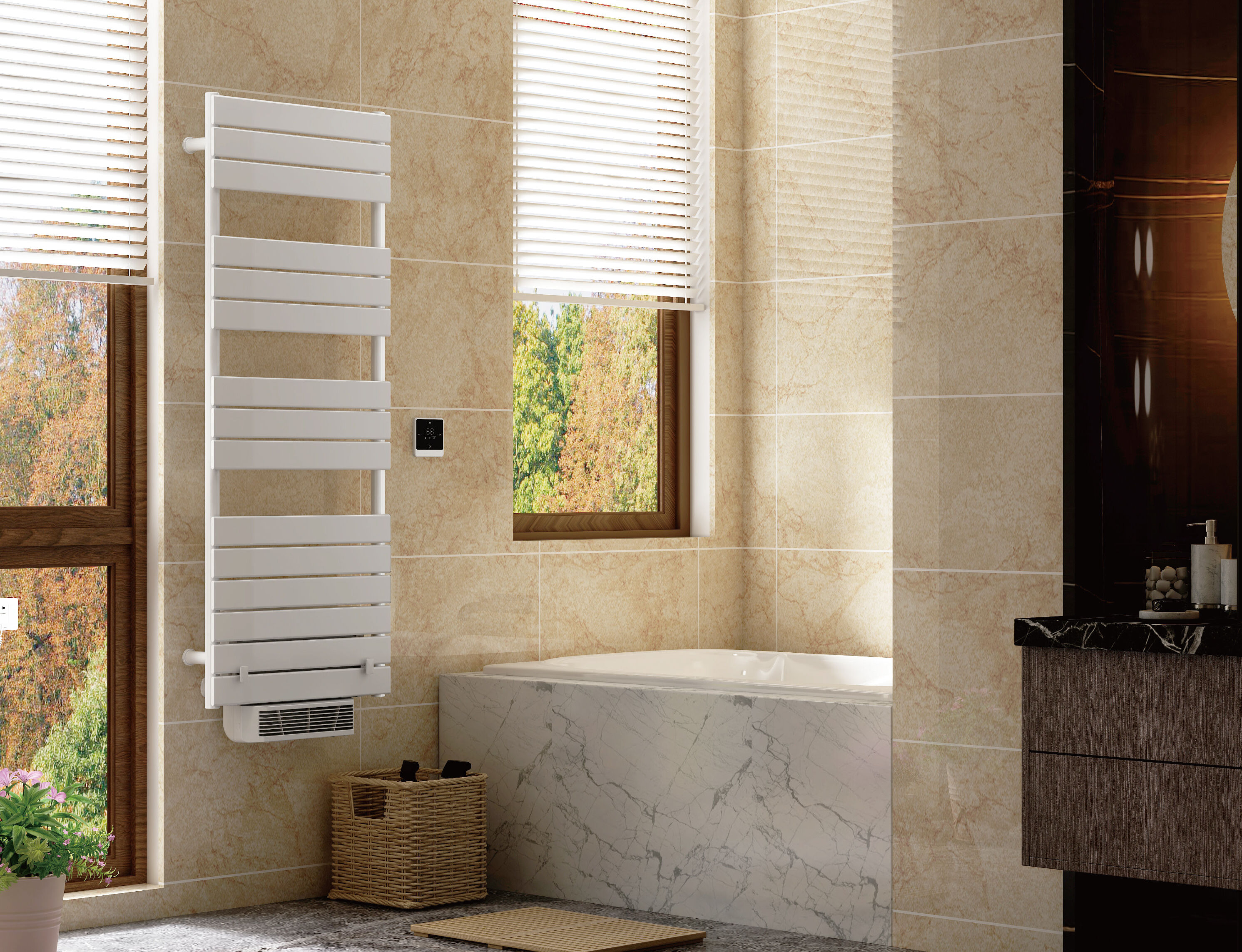
Choosing the perfect heated towel rail for your bathroom involves careful consideration of multiple factors that go beyond simple aesthetics. Modern bathrooms demand both functionality and style, making the selection of a quality heated towel rail a crucial decision for homeowners looking to enhance their daily comfort and bathroom efficiency. Whether you're renovating an existing space or designing a new bathroom from scratch, understanding the various options available will help you make an informed choice that serves your needs for years to come.
Understanding Different Types of Heated Towel Rails
Electric Heated Towel Rails
Electric models represent the most popular choice for modern bathroom installations due to their versatility and ease of installation. These units operate independently from your central heating system, allowing for year-round use regardless of seasonal heating patterns. Electric heated towel rails typically feature adjustable temperature controls and timer functions, providing precise control over heating schedules and energy consumption. Installation requirements are minimal, requiring only a standard electrical connection and wall mounting hardware.
The efficiency of electric units has improved dramatically with advanced heating element technology and better insulation materials. Many contemporary models incorporate smart features such as programmable timers, remote control operation, and energy-saving modes that automatically adjust heating output based on ambient temperature conditions. These features make electric heated towel rails particularly attractive for busy households seeking convenience and energy efficiency.
Hydronic and Central Heating Connected Models
Hydronic systems connect directly to your home's central heating network, utilizing hot water circulation to provide consistent warmth throughout the heating season. These models offer excellent heat output and can serve dual purposes as both towel warmers and supplementary room heating sources. The installation process requires professional plumbing connections and integration with existing heating infrastructure, making them more suitable for new construction or major renovation projects.
Central heating connected models excel in situations where consistent, high-output heating is required throughout extended periods. They operate most efficiently during regular heating seasons and provide substantial energy savings compared to electric alternatives when used extensively. However, their dependency on central heating systems means they cannot operate during summer months when the main heating system is typically shut down.
Design Styles and Aesthetic Considerations
Contemporary Minimalist Designs
Modern bathroom designs increasingly favor clean lines and minimalist aesthetics, making sleek, geometric heated towel rail designs highly desirable. Contemporary models feature smooth surfaces, hidden mounting hardware, and integrated controls that blend seamlessly with modern bathroom fixtures. These designs typically utilize rectangular or square tubing with polished chrome, brushed stainless steel, or matte black finishes that complement contemporary color schemes.
The appeal of minimalist designs extends beyond visual aesthetics to practical benefits including easier cleaning and maintenance. Smooth surfaces without ornate details resist accumulation of soap residue and moisture, while streamlined profiles maximize towel hanging capacity without overwhelming smaller bathroom spaces. Many contemporary models also incorporate LED accent lighting or digital temperature displays that enhance both functionality and visual appeal.
Traditional and Classic Styling
Traditional heated towel rail designs draw inspiration from classic Victorian and Edwardian radiator styles, featuring ornate details, curved elements, and vintage-inspired finishes. These models often incorporate decorative end caps, scrollwork details, and period-appropriate mounting hardware that complements traditional bathroom fixtures and architectural elements. Popular finishes include antique brass, aged bronze, and classic white paint that harmonize with traditional color palettes.
Classic styling appeals to homeowners renovating period properties or creating traditional bathroom environments in contemporary homes. These designs typically offer generous towel hanging capacity through multiple horizontal rails and vertical supports, making them practical choices for large families or master bathroom installations. The substantial construction of traditional models also provides excellent heat retention and distribution characteristics.
Size Selection and Spatial Requirements
Measuring Your Available Space
Proper sizing requires careful measurement of available wall space while considering clearance requirements for doors, vanities, and other bathroom fixtures. Standard heated towel rail dimensions range from compact 600mm width models suitable for powder rooms to expansive 1800mm units designed for master bathrooms. Height considerations are equally important, with typical models ranging from 800mm for space-constrained installations to 1500mm for maximum towel capacity and heat output.
Installation clearances must account for safe operation and maintenance access, typically requiring minimum distances of 200mm from adjacent fixtures and 600mm from floor level for optimal towel access. Wall construction and mounting support capabilities also influence size selection, as larger units require substantial mounting hardware and structural support to ensure safe installation and long-term stability.
Matching Output to Room Requirements
Heat output calculations should consider both towel warming requirements and supplementary room heating needs based on bathroom size, insulation quality, and usage patterns. Smaller bathrooms typically require 80-120 watts output for adequate towel warming, while larger spaces may need 200-400 watts for effective room heating supplementation. Professional heat loss calculations help determine optimal output requirements for specific installations.
Climate considerations also influence output selection, with colder regions benefiting from higher wattage models capable of maintaining comfortable temperatures during harsh winter conditions. Energy efficiency ratings and operating costs should be evaluated alongside output specifications to ensure long-term affordability and environmental responsibility. Modern heated towel rail models often provide detailed energy consumption data to assist in these calculations.
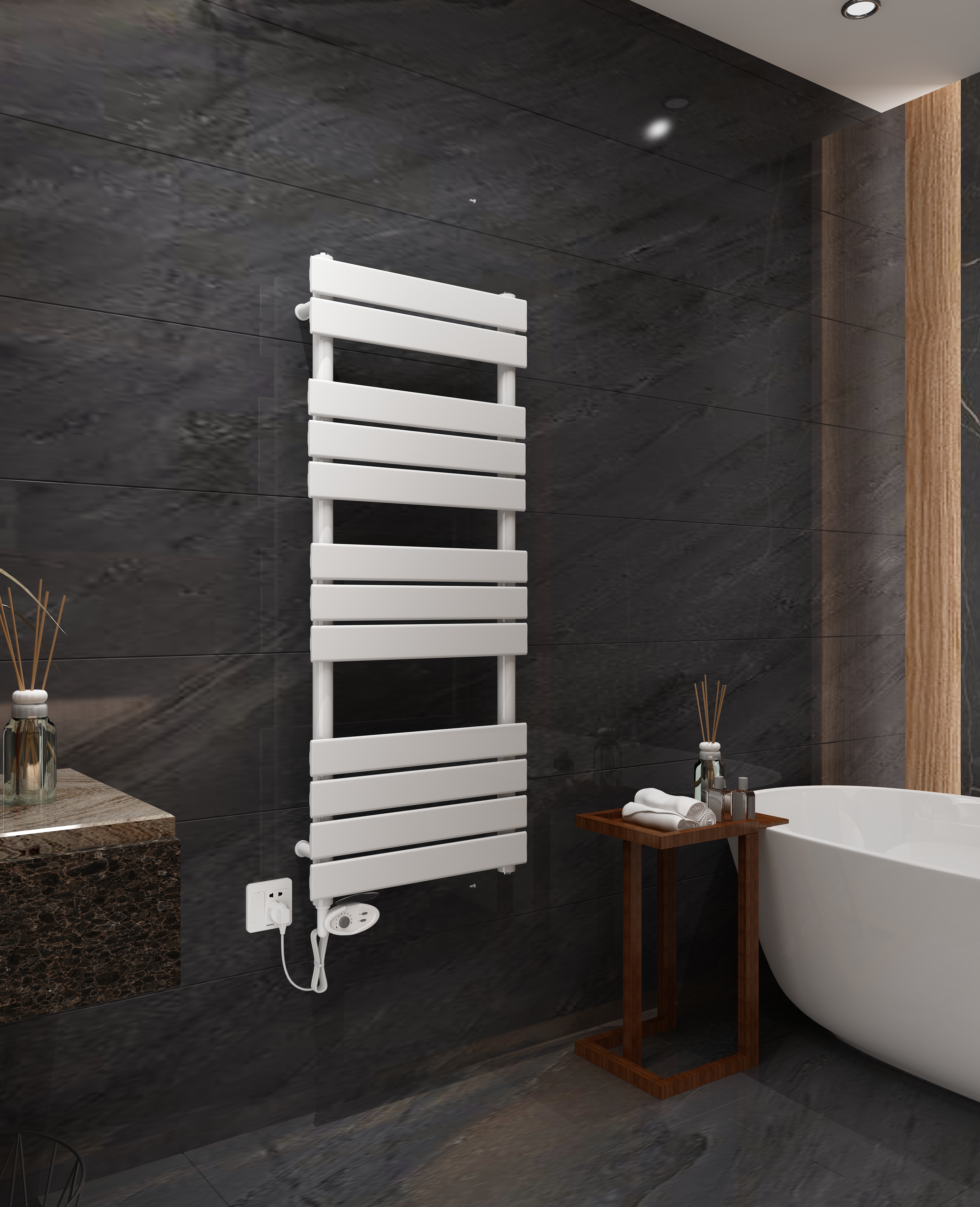
Installation Considerations and Requirements
Electrical Requirements and Safety
Electric heated towel rail installations require proper electrical planning to ensure safe operation and code compliance. Most models require dedicated circuits with appropriate amperage ratings and GFCI protection to prevent electrical hazards in wet bathroom environments. Professional electrical assessment helps determine existing circuit capacity and identify any necessary upgrades or modifications required for safe installation.
Mounting location selection must consider both electrical access and bathroom safety regulations, maintaining required distances from water sources and shower areas. Many jurisdictions have specific zoning requirements that restrict electrical appliance placement in bathroom environments, making professional consultation essential for code-compliant installations. Timer switches and thermostatic controls should be located in appropriate zones for safe operation and user convenience.
Plumbing Integration for Hydronic Systems
Hydronic heated towel rail installations require professional plumbing connections to existing heating systems or dedicated hot water loops. Supply and return connections must be properly sized and positioned to ensure adequate circulation and prevent air locks that can reduce heating efficiency. Isolation valves and drain connections facilitate maintenance and seasonal system adjustments.
System pressure and temperature compatibility must be verified to prevent damage and ensure optimal performance throughout the heating season. Many hydronic models include automatic air vents and balancing valves that simplify installation and improve long-term reliability. Professional installation ensures proper integration with existing heating controls and prevents potential system conflicts that could affect overall heating performance.
Energy Efficiency and Operating Costs
Comparing Operating Expenses
Energy consumption varies significantly between different heated towel rail types and models, making cost analysis essential for budget-conscious consumers. Electric models typically consume 80-400 watts during operation, with actual usage depending on thermostat settings and operating schedules. Smart controls and programmable timers can reduce energy consumption by 20-40% through optimized heating schedules that match actual usage patterns.
Hydronic systems generally offer lower operating costs when connected to efficient central heating systems, particularly during extended heating seasons. However, the inability to operate independently during off-season periods may require supplementary heating solutions that increase overall energy costs. Lifecycle cost analysis should consider both energy expenses and maintenance requirements over typical 15-20 year service lives.
Environmental Impact and Sustainability
Modern heated towel rail designs incorporate numerous energy-saving features that reduce environmental impact while maintaining performance standards. Improved insulation materials, efficient heating elements, and intelligent controls minimize energy waste and reduce carbon footprints. Many manufacturers now offer models with environmental certifications and recycled material content that appeal to environmentally conscious consumers.
Sustainable operation practices include utilizing renewable energy sources, optimizing heating schedules to match actual needs, and selecting appropriately sized models that avoid excess capacity and waste. Regular maintenance and proper installation ensure maximum efficiency throughout the product lifecycle, while end-of-life recycling programs help minimize environmental disposal impacts.
Maintenance and Longevity Factors
Routine Care and Cleaning
Proper maintenance extends heated towel rail service life while maintaining optimal performance and appearance. Regular cleaning with appropriate non-abrasive cleaners prevents buildup of soap residue, mineral deposits, and moisture damage that can compromise both function and aesthetics. Different finish materials require specific cleaning approaches, with chrome and stainless steel surfaces benefiting from specialized cleaners that prevent water spotting and corrosion.
Electrical connections should be inspected annually for signs of corrosion, looseness, or damage that could create safety hazards or performance issues. Hydronic systems require periodic bleeding to remove air accumulation and maintain proper circulation. Professional servicing every 2-3 years ensures optimal performance and identifies potential issues before they require expensive repairs or replacement.
Warranty and Service Support
Comprehensive warranty coverage provides protection against manufacturing defects and premature failure while indicating manufacturer confidence in product quality and durability. Standard warranties typically range from 2-10 years depending on model and manufacturer, with premium models often offering extended coverage periods and comprehensive service support. Understanding warranty terms and exclusions helps consumers make informed purchasing decisions.
Local service availability and parts support are crucial considerations for long-term ownership satisfaction. Established manufacturers typically maintain extensive dealer networks and parts inventory that facilitate efficient repairs and maintenance throughout the product lifecycle. Technical support resources including installation guides, troubleshooting assistance, and maintenance recommendations enhance ownership experience and product longevity.
FAQ
What size heated towel rail do I need for my bathroom
Size selection depends on available wall space, towel capacity requirements, and desired heat output for your specific bathroom dimensions. Measure your available wall space carefully, allowing for proper clearances around doors, vanities, and other fixtures. For towel warming only, calculate approximately 80-100 watts per square meter of bathroom area. Larger bathrooms or those requiring supplementary heating may need 120-150 watts per square meter for optimal performance and comfort.
Can I install an electric heated towel rail myself
While basic mounting may seem straightforward, electrical connections require professional installation to ensure safety and code compliance. Most jurisdictions require licensed electricians for bathroom electrical work due to moisture and safety considerations. Professional installation ensures proper GFCI protection, appropriate circuit sizing, and compliance with local electrical codes. DIY installation may void manufacturer warranties and create safety hazards that outweigh potential cost savings.
How much does it cost to operate a heated towel rail
Operating costs vary based on wattage, usage patterns, local electricity rates, and control features. A typical 150-watt electric model operating 8 hours daily costs approximately 15-25 dollars monthly at average electricity rates. Smart controls and programmable timers can reduce costs by 20-40% through optimized heating schedules. Hydronic models connected to efficient heating systems typically cost less to operate during heating seasons but cannot provide off-season functionality without additional energy sources.
What maintenance is required for heated towel rails
Regular cleaning with appropriate non-abrasive cleaners maintains appearance and prevents corrosion or damage to protective finishes. Electric models require annual inspection of electrical connections and controls for safety and performance. Hydronic systems need periodic bleeding to remove air and maintain proper circulation. Professional servicing every 2-3 years ensures optimal performance and identifies potential issues before they require expensive repairs. Most maintenance tasks are simple and can be performed by homeowners with basic tools and knowledge.