
 EN
EN



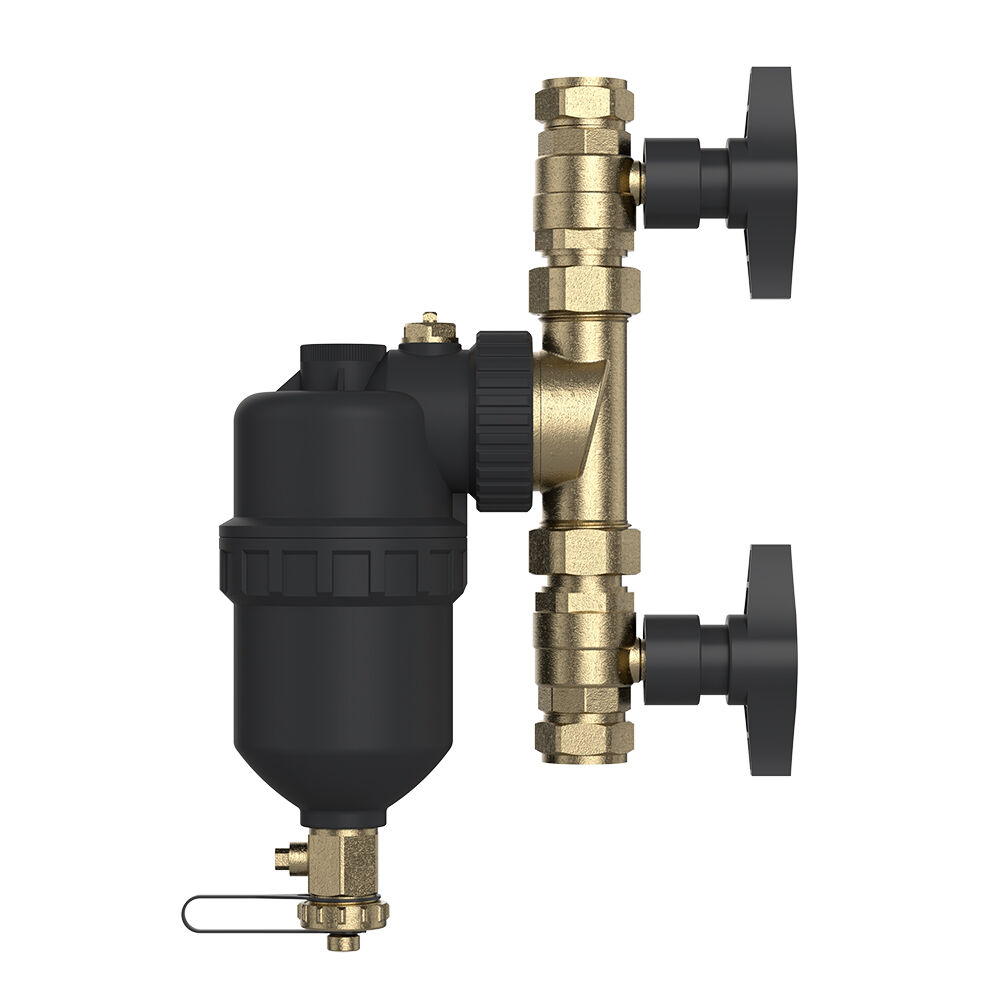
Installing a boiler magnetic filter represents one of the most effective preventive maintenance steps homeowners and commercial property managers can take to protect their heating systems. These innovative devices capture magnetite sludge and other ferrous debris that naturally accumulates in heating circuits, preventing costly damage to boilers, pumps, and radiators. Understanding the proper installation process and key considerations ensures optimal performance and longevity of your heating system while maximizing energy efficiency throughout the operational lifespan.
Understanding Magnetic Filter Technology
How Magnetic Filtration Works
A boiler magnetic filter operates through powerful neodymium magnets that attract and capture iron oxide particles, commonly known as magnetite sludge, as water circulates through the heating system. The magnetic field created within the filter housing draws ferrous contaminants away from the flowing water, preventing these particles from circulating throughout the system and causing damage to sensitive components. This magnetic separation process occurs continuously during normal system operation, requiring no additional energy input or complex maintenance procedures.
The filter housing typically features a removable magnetic core surrounded by a flow chamber designed to optimize contact time between the circulating water and the magnetic field. Strategic internal baffles and flow directors ensure turbulent flow patterns that maximize particle capture efficiency while maintaining minimal pressure drop across the device. Advanced designs incorporate multiple magnetic zones and varying field strengths to capture particles of different sizes and magnetic properties effectively.
Benefits of Magnetic Filtration Systems
Installing a magnetic filter delivers significant long-term benefits that justify the initial investment through reduced maintenance costs and improved system reliability. Protected boilers experience fewer breakdowns, maintain higher efficiency ratings, and demonstrate extended operational lifespans compared to unfiltered systems. The removal of circulating debris prevents erosion damage to pump impellers, valve seats, and heat exchanger surfaces, reducing the frequency of expensive component replacements.
Energy efficiency improvements typically range from five to fifteen percent following magnetic filter installation, as clean heat exchangers transfer thermal energy more effectively and pumps operate with reduced resistance. These efficiency gains translate directly into lower fuel costs and reduced carbon emissions, making magnetic filtration an environmentally responsible choice for heating system operators. Additionally, the improved water quality prevents the formation of cold spots in radiators and ensures more consistent temperature distribution throughout heated spaces.
Pre-Installation Planning and Preparation
System Assessment Requirements
Proper boiler magnetic filter installation begins with a comprehensive assessment of the existing heating system to determine optimal placement and sizing requirements. Technical evaluation should include measuring pipe diameters, identifying flow directions, and assessing available space for filter mounting and future maintenance access. The installation location must provide sufficient clearance for filter removal during routine cleaning while maintaining easy access to isolation valves and drain points.
System pressure and flow rate measurements help determine appropriate filter sizing to ensure adequate filtration capacity without creating excessive pressure drops that could affect system performance. Existing water quality testing reveals contamination levels and helps establish baseline conditions for measuring filtration effectiveness following installation. Documentation of current boiler efficiency and maintenance history provides valuable reference data for quantifying improvement benefits after magnetic filter integration.
Tool and Material Requirements
Professional installation requires specific tools and materials to ensure proper fitting and long-term reliability of the magnetic filter connection. Essential equipment includes pipe cutting tools, threading equipment, soldering or compression fitting supplies, and appropriate sealants compatible with heating system fluids. Isolation valves, bypass arrangements, and drain connections require careful selection based on system specifications and local plumbing codes.
Quality installation materials such as copper or stainless steel fittings prevent galvanic corrosion and ensure compatibility with existing pipework materials. Proper insulation materials help prevent heat loss from exposed filter housings and connecting pipework, maintaining system efficiency and preventing condensation issues. Having appropriate cleaning and commissioning chemicals available enables proper system flushing and chemical balancing following filter installation.
Installation Process and Best Practices
Optimal Placement Strategies
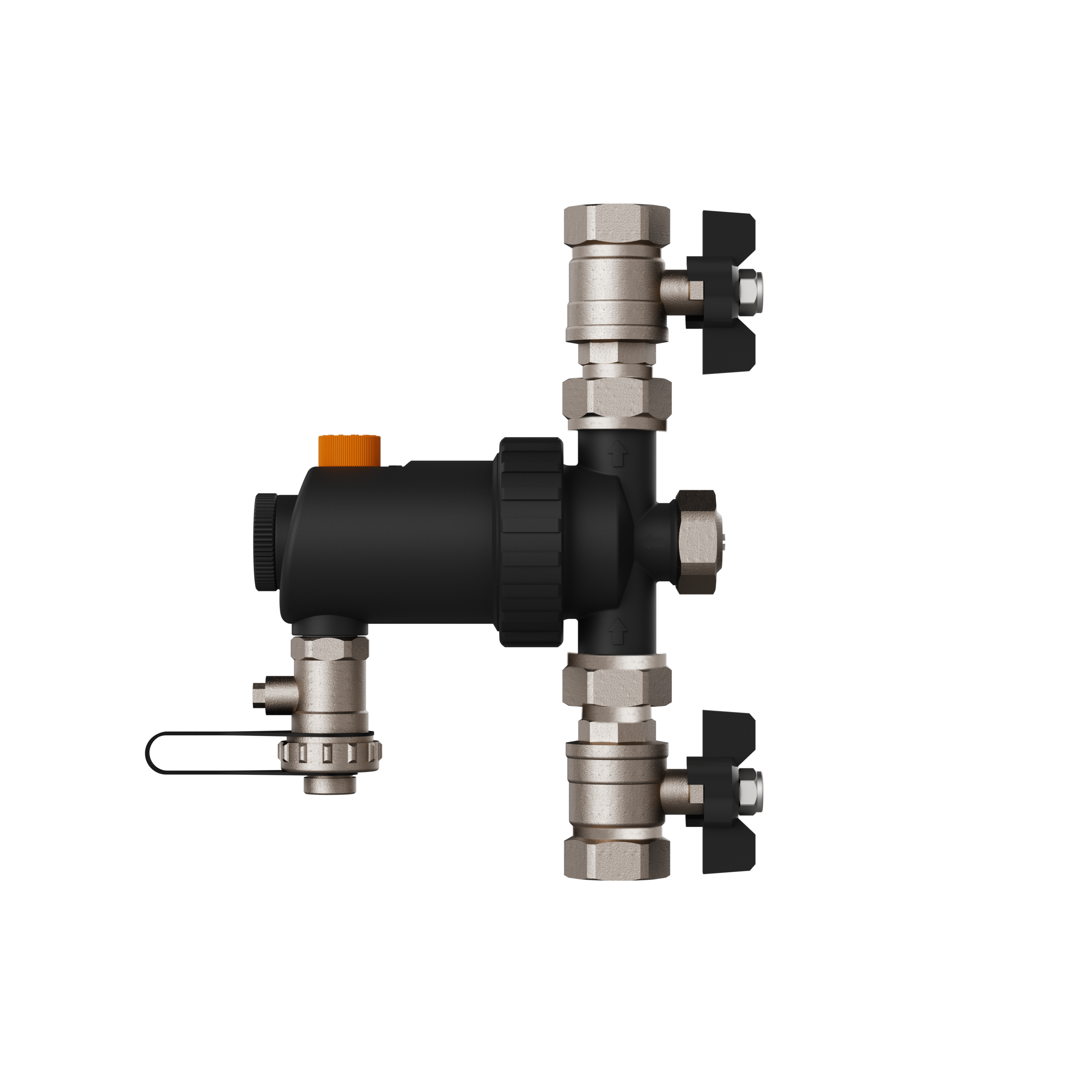
The most effective boiler magnetic filter placement occurs on the return line immediately before the boiler input, where water temperatures remain relatively moderate and debris concentration typically peaks. This positioning allows the filter to capture contamination before it reaches sensitive boiler components while operating within optimal temperature ranges for magnetic effectiveness. Alternative placement locations include the flow line after the boiler or integrated within bypass loops, depending on specific system configurations and space constraints.
Horizontal installation orientations generally provide superior filtration performance compared to vertical mounting, as gravity assists with particle settling and collection within the filter housing. The magnetic core should be positioned to maximize contact with flowing water while allowing accumulated debris to settle into collection areas for efficient removal during maintenance procedures. Proper orientation also ensures that air pockets cannot form within the filter housing, which could reduce filtration effectiveness and create system noise issues.
Connection and Integration Procedures
Professional connection procedures ensure leak-free integration of the boiler magnetic filter with existing heating system pipework while maintaining system integrity and performance. Precise pipe cutting and fitting preparation prevent stress concentrations that could lead to future joint failures, while proper threading and sealing techniques ensure long-term connection reliability. System isolation and drainage procedures protect electronic components and prevent water damage during installation activities.
Integration with existing controls and monitoring systems enables automated operation and performance tracking capabilities that enhance long-term maintenance effectiveness. Bypass valve arrangements allow for filter isolation during maintenance without shutting down the entire heating system, minimizing operational disruptions and maintaining occupant comfort. Proper commissioning procedures including system flushing and pressure testing verify installation quality and identify potential issues before returning the system to normal operation.
Maintenance and Performance Optimization
Routine Cleaning Procedures
Regular maintenance of a boiler magnetic filter involves systematic cleaning procedures that remove accumulated debris while preserving magnetic effectiveness and filter housing integrity. The cleaning frequency typically ranges from six months to two years, depending on system contamination levels, water quality, and operational conditions. During cleaning operations, the magnetic core requires careful removal and thorough washing to eliminate collected magnetite particles that could reduce filtration efficiency.
Proper cleaning techniques involve isolating the filter from system flow, draining the housing completely, and carefully removing the magnetic assembly to prevent debris redistribution throughout the system. The magnetic core and housing interior require thorough cleaning with appropriate solvents or detergents that effectively remove accumulated contamination without damaging magnetic coatings or sealing surfaces. Visual inspection during cleaning operations helps identify wear patterns, corrosion issues, or other conditions that might require component replacement or system modifications.
Performance Monitoring and Troubleshooting
Effective performance monitoring involves tracking pressure differentials across the magnetic filter, measuring debris accumulation rates, and monitoring overall system efficiency indicators to verify continued filtration effectiveness. Pressure gauge installations on both inlet and outlet connections provide real-time monitoring capabilities that help optimize cleaning schedules and identify potential blockage issues before they affect system performance. Regular water quality testing confirms that the boiler magnetic filter continues removing contamination effectively throughout its operational lifespan.
Troubleshooting common issues such as reduced flow rates, increased pressure drops, or diminished magnetic effectiveness requires systematic evaluation of installation conditions, maintenance history, and system operating parameters. Proper diagnostic procedures help distinguish between normal wear patterns and installation defects that might require correction or component replacement. Performance documentation enables trend analysis that supports predictive maintenance strategies and helps optimize replacement timing for maximum cost-effectiveness.
Cost Considerations and Return on Investment
Initial Investment Analysis
The initial cost of boiler magnetic filter installation includes equipment purchase, professional installation labor, and any necessary system modifications or upgrades required for proper integration. Equipment costs vary significantly based on filter size, magnetic strength, housing materials, and advanced features such as automatic cleaning or monitoring capabilities. Professional installation expenses depend on system complexity, accessibility challenges, and local labor rates, but typically represent a relatively small portion of the total project cost.
Additional costs may include system modifications such as pipe rerouting, valve installations, or control system upgrades necessary to accommodate the magnetic filter and optimize its performance. These ancillary expenses should be evaluated during the planning phase to ensure accurate budget development and prevent cost overruns during installation. Quality installation materials and professional workmanship represent essential investments that ensure long-term reliability and maximize the return on the magnetic filtration system investment.
Long-term Economic Benefits
Economic benefits from boiler magnetic filter installation accumulate over time through reduced maintenance costs, improved energy efficiency, and extended equipment lifespans that significantly exceed the initial investment requirements. Prevented boiler breakdowns eliminate emergency repair costs and minimize business disruption expenses that often far exceed the cost of preventive filtration equipment. Extended component lifespans reduce capital replacement requirements and provide predictable maintenance scheduling that supports effective budget planning.
Energy efficiency improvements deliver ongoing operational savings that compound annually throughout the system lifespan, with typical payback periods ranging from two to five years depending on system size and operating conditions. Reduced chemical treatment requirements and lower maintenance labor costs provide additional savings that enhance the overall economic attractiveness of magnetic filtration investments. These quantifiable benefits, combined with improved system reliability and reduced environmental impact, make boiler magnetic filter installation a financially sound decision for most heating system applications.
FAQ
How often should a boiler magnetic filter be cleaned
Cleaning frequency for a boiler magnetic filter depends on system contamination levels and water quality conditions, with typical intervals ranging from six months to two years. New heating systems or recently power-flushed systems may require more frequent initial cleaning as residual debris settles out, while established clean systems can operate longer between maintenance cycles. Monitoring pressure differential across the filter provides the most reliable indicator of when cleaning becomes necessary, as excessive pressure drop signals significant debris accumulation that requires attention.
Can magnetic filters be installed on any heating system
Most conventional wet heating systems can accommodate boiler magnetic filter installation, including gas boilers, oil boilers, and biomass heating systems that circulate water through closed-loop pipework. However, compatibility depends on factors such as system pressure ratings, pipe sizes, available space, and flow rate requirements that must be evaluated during the planning phase. Open-vented systems, pressurized systems, and combination boilers all benefit from magnetic filtration, though specific installation requirements may vary based on system configuration and manufacturer recommendations.
What size magnetic filter is needed for my boiler
Magnetic filter sizing depends primarily on heating system flow rates and pipe diameters, with manufacturers providing sizing charts that match filter capacity to specific system requirements. Residential systems typically use filters sized between 22mm and 28mm, while larger commercial installations may require 35mm or larger units to handle higher flow rates without creating excessive pressure drops. Professional assessment of system specifications ensures proper sizing that balances filtration effectiveness with hydraulic performance requirements for optimal long-term operation.
Will installing a magnetic filter void my boiler warranty
Properly installed boiler magnetic filter systems typically do not void manufacturer warranties and may actually be recommended by some boiler manufacturers as beneficial protective equipment. However, warranty terms vary between manufacturers, and installation must comply with manufacturer guidelines and local codes to maintain warranty coverage. Professional installation by qualified technicians using approved methods and materials helps ensure warranty compliance while providing documentation that demonstrates proper installation procedures and system integration practices.