
 EN
EN



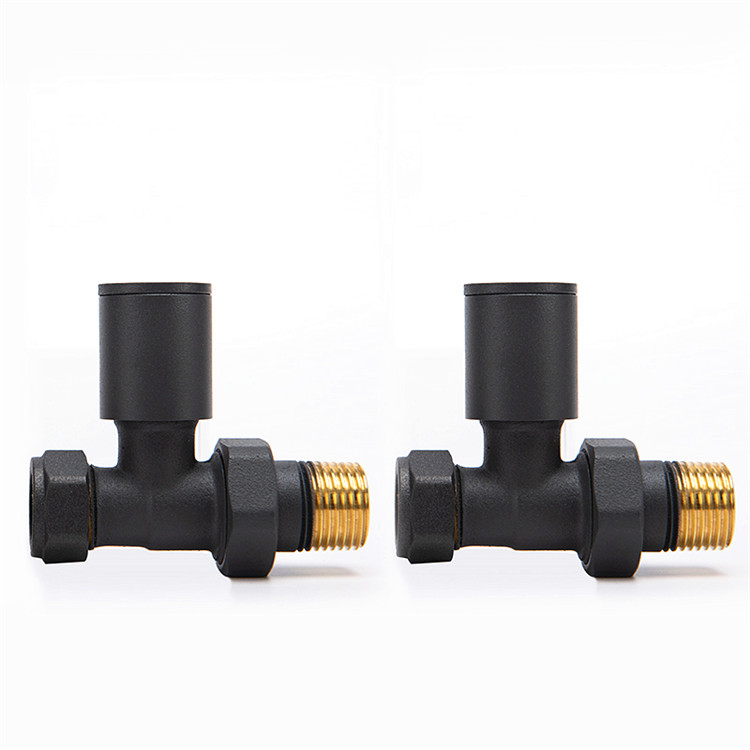
Maintaining consistent heating throughout a building is a critical challenge that property managers, engineers, and facility operators face daily. Thermostatic radiator valves represent a sophisticated solution that enables precise temperature control while optimizing energy efficiency across heating systems. These intelligent devices automatically adjust water flow to individual radiators based on ambient room temperature, ensuring each space maintains its desired thermal comfort level without manual intervention.
The implementation of thermostatic radiator valves in commercial and residential heating systems has revolutionized how buildings achieve optimal thermal management. Unlike traditional manual valves that require constant adjustment, these advanced components utilize thermal expansion principles to automatically modulate radiator output. This technology ensures that each zone within a building receives precisely the amount of heating required, eliminating the common problems of overheating in some areas while others remain uncomfortably cool.
Modern building codes and energy efficiency standards increasingly recognize the value that thermostatic radiator valves bring to HVAC systems. Their ability to provide zone-level control without complex wiring or electronic controls makes them an attractive option for both new construction and retrofit applications. The integration of these valves into existing heating infrastructure typically requires minimal modifications while delivering substantial improvements in comfort and operational efficiency.
Fundamental Operating Principles of Thermostatic Control
Thermal Expansion Mechanisms
The core functionality of thermostatic radiator valves relies on a thermal expansion element that responds directly to ambient room temperature changes. This element, typically containing a wax-filled capsule or liquid-filled bellows, expands and contracts based on surrounding air temperature. As room temperature rises, the expansion element grows larger, pushing against a valve stem that reduces water flow through the radiator. Conversely, when room temperature drops, the element contracts, allowing increased water flow to boost heating output.
The precision of this thermal response mechanism enables thermostatic radiator valves to maintain temperature variations within one to two degrees Celsius of the setpoint. This level of accuracy surpasses what most occupants can achieve through manual valve adjustments, resulting in more stable indoor climate conditions. The response time of quality thermal elements typically ranges from five to fifteen minutes, providing responsive control without excessive cycling that could cause temperature oscillations.
Flow Modulation Characteristics
Effective thermostatic radiator valves incorporate sophisticated flow modulation capabilities that ensure smooth operation across varying system pressures and temperatures. The valve body design includes precision-machined seats and stems that provide linear flow characteristics, meaning small adjustments in valve position create proportional changes in water flow rate. This linear relationship between valve position and flow enables predictable heating output adjustments that maintain consistent room temperatures.
Advanced thermostatic radiator valves feature pre-settable flow limiters that allow system balancing during installation. These limiters enable technicians to establish maximum flow rates for each radiator based on room size and heat load requirements. By setting appropriate flow limits, the valves can operate within their optimal control range while preventing oversized radiators from dominating system flow distribution.
Energy Efficiency and Cost Benefits
Reduced Energy Consumption
The installation of thermostatic radiator valves typically results in energy savings of fifteen to twenty-five percent compared to systems using only manual valves or central thermostatic control. These savings occur because the valves prevent overheating in individual spaces, reducing overall system load and allowing boilers to operate more efficiently. When rooms reach their desired temperature, the valves automatically reduce flow, decreasing the total heat demand on the central heating plant.
Energy efficiency improvements from thermostatic radiator valves compound over time as the system learns to operate within tighter temperature bands. Unlike central control systems that must satisfy the coldest zone, individual valve control allows warmer zones to reduce their heating demand automatically. This distributed control strategy reduces peak heating loads and enables longer periods of efficient partial-load operation for boilers and heat pumps.
Operational Cost Reduction
Beyond direct energy savings, thermostatic radiator valves contribute to reduced operational costs through decreased maintenance requirements and extended equipment life. The automatic operation eliminates the need for facility staff to manually adjust radiator valves throughout the day, reducing labor costs while improving occupant comfort. Additionally, the more stable system temperatures achieved with thermostatic radiator valves reduce thermal stress on piping, pumps, and heat exchangers.
The modulating action of thermostatic radiator valves also contributes to improved system hydraulics by maintaining more consistent pressure differentials across the distribution network. This stability reduces pump energy consumption and minimizes flow noise that can occur when manual valves create sudden flow changes. The result is a quieter, more efficient heating system that requires less intervention from maintenance personnel.
Installation and System Integration Considerations
Retrofitting Existing Systems
Integrating thermostatic radiator valves into existing heating systems requires careful assessment of current valve configurations and system operating parameters. Most installations involve replacing existing manual valves with thermostatic models, though attention must be paid to valve sizing and connection types. The thermal mass of existing radiators and piping affects response times, with larger systems potentially requiring different valve selections to achieve optimal performance.
System balancing becomes particularly important when retrofitting thermostatic radiator valves, as the automatic flow control can expose previously hidden hydraulic imbalances. Professional commissioning ensures that each valve operates within its designed control range while maintaining adequate flow to all zones. This process typically involves adjusting pre-set limiters and verifying that system pressures remain within acceptable ranges during various operating conditions.
New Construction Applications
Designing heating systems with thermostatic radiator valves from the outset allows engineers to optimize pipe sizing, pump selection, and system layout for maximum efficiency. The predictable flow modulation characteristics of these valves enable more accurate heat load calculations and system sizing. This integrated approach often results in smaller pumps, reduced pipe sizes, and lower overall system costs compared to conventional designs.
Modern building automation systems can incorporate thermostatic radiator valves into broader energy management strategies through monitoring and override capabilities. While the valves operate independently under normal conditions, centralized controls can adjust setpoints or disable valves for maintenance purposes. This hybrid approach combines the reliability of local control with the flexibility of building-wide management systems.
Performance Optimization and Maintenance
Calibration and Adjustment Procedures
Achieving optimal performance from thermostatic radiator valves requires proper initial calibration and periodic verification of setpoint accuracy. Most valves include numbered settings that correspond to approximate room temperatures, though local conditions may require fine-tuning these relationships. Professional commissioning involves measuring actual room temperatures at various valve settings and documenting any offsets for future reference.
The thermal response characteristics of thermostatic radiator valves can be affected by valve location, air circulation patterns, and external heat sources. Valves installed in areas with poor air circulation or near heat-generating equipment may require setpoint adjustments to compensate for local temperature variations. Regular performance monitoring helps identify valves that may need recalibration or replacement due to wear or environmental factors.
Preventive Maintenance Requirements
Long-term reliability of thermostatic radiator valves depends on appropriate preventive maintenance that addresses both mechanical and thermal components. Annual inspections should verify smooth valve operation, check for leaks around packing glands, and ensure that thermal sensors remain clean and unobstructed. The thermal expansion elements typically have service lives exceeding ten years under normal operating conditions, though harsh environments may accelerate wear.
System water quality significantly impacts the longevity of thermostatic radiator valves, as mineral deposits or corrosion products can interfere with valve operation. Regular system flushing and water treatment help maintain valve performance while protecting other system components. Replacement of valve internals may be necessary in systems with poor water quality or after extended service periods, though the valve bodies typically remain serviceable for decades.
Advanced Features and Technology Integration
Smart Control Capabilities
Contemporary thermostatic radiator valves increasingly incorporate electronic sensors and wireless communication capabilities that enhance their basic thermal control functions. These smart valves can transmit temperature data to building management systems while accepting remote setpoint adjustments. The combination of local thermal control with remote monitoring creates opportunities for advanced energy optimization strategies that weren't possible with purely mechanical valves.
Battery-powered electronic thermostatic radiator valves offer programming capabilities that enable different temperature schedules for various times of day or occupancy patterns. These advanced features allow unoccupied spaces to maintain lower temperatures automatically while ensuring comfort during occupied periods. The integration of occupancy sensors with electronic valve controls creates dynamic heating systems that respond to actual space utilization rather than fixed schedules.
Integration with Building Automation
Modern thermostatic radiator valves can interface with comprehensive building automation systems through various communication protocols including wireless mesh networks and IoT platforms. This connectivity enables facility managers to monitor valve performance, identify maintenance needs, and optimize system operation based on real-time data. The ability to collect temperature and flow data from individual valves provides insights into occupant behavior and system performance that support continuous improvement efforts.
Advanced building automation integration allows thermostatic radiator valves to participate in demand response programs and peak load management strategies. During periods of high energy costs or grid stress, the system can temporarily adjust setpoints across multiple valves to reduce overall heating demand while maintaining acceptable comfort levels. This capability transforms individual temperature control devices into components of larger energy management strategies.
FAQ
How do thermostatic radiator valves differ from standard manual valves
Thermostatic radiator valves automatically adjust water flow based on room temperature, while manual valves require user intervention to change heating output. The thermostatic versions contain thermal expansion elements that respond to temperature changes, providing consistent comfort without constant adjustment. Manual valves rely on occupants to recognize temperature changes and make appropriate adjustments, often resulting in less precise temperature control and higher energy consumption.
What factors affect the response time of thermostatic radiator valves
Response time depends on several factors including the thermal mass of the expansion element, ambient air circulation around the valve, and the rate of temperature change in the room. Quality thermostatic radiator valves typically respond to temperature changes within five to fifteen minutes. Poor air circulation, valve location in dead air spaces, or proximity to heat sources can slow response times and reduce control accuracy.
Can thermostatic radiator valves work with all types of heating systems
Thermostatic radiator valves are compatible with most hydronic heating systems including boiler-based systems, heat pump installations, and district heating networks. However, system operating pressures and temperatures must fall within the valve specifications. Very high-temperature systems or those with unusual pressure characteristics may require specialized valve designs. Compatibility with existing radiator connections and pipe configurations also influences installation feasibility.
How much energy savings can be expected from installing thermostatic radiator valves
Typical energy savings range from fifteen to twenty-five percent compared to systems using only manual valves or central thermostatic control. Actual savings depend on building characteristics, occupancy patterns, and existing system efficiency. Buildings with significant variations in room usage or solar heat gain typically achieve higher savings percentages. The payback period for thermostatic radiator valves installation usually ranges from two to four years based on energy cost savings and improved comfort levels.