
 EN
EN



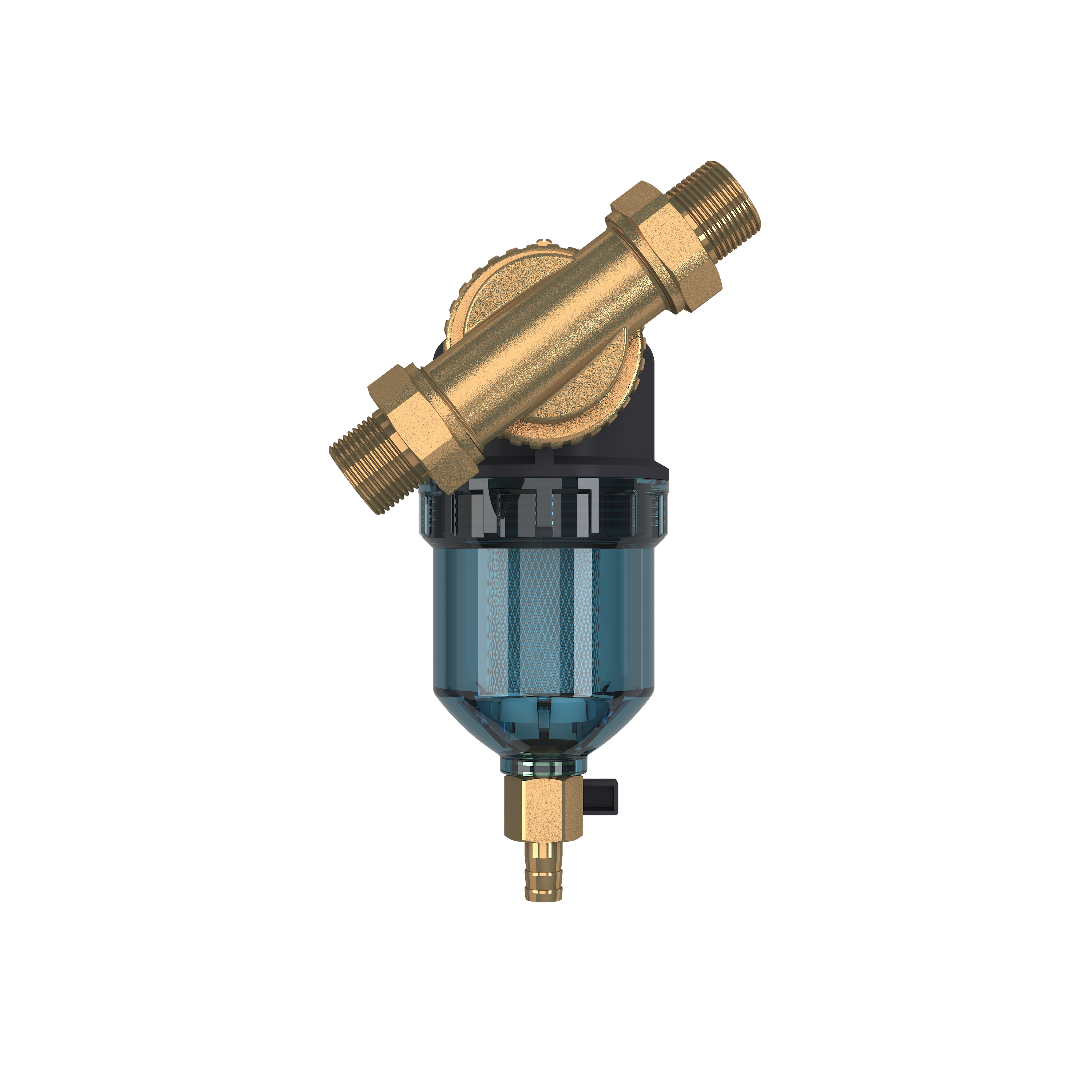
Modern heating systems face numerous challenges that can significantly impact their performance and longevity. Among the most effective solutions for maintaining optimal boiler operation is the implementation of a magnetic filter, which serves as a critical component in protecting heating systems from harmful debris and magnetite buildup. These specialized devices have revolutionized the way property owners and heating engineers approach system maintenance, offering substantial improvements in efficiency while reducing long-term operational costs.
Understanding Magnetic Filter Technology and Applications
Core Operating Principles
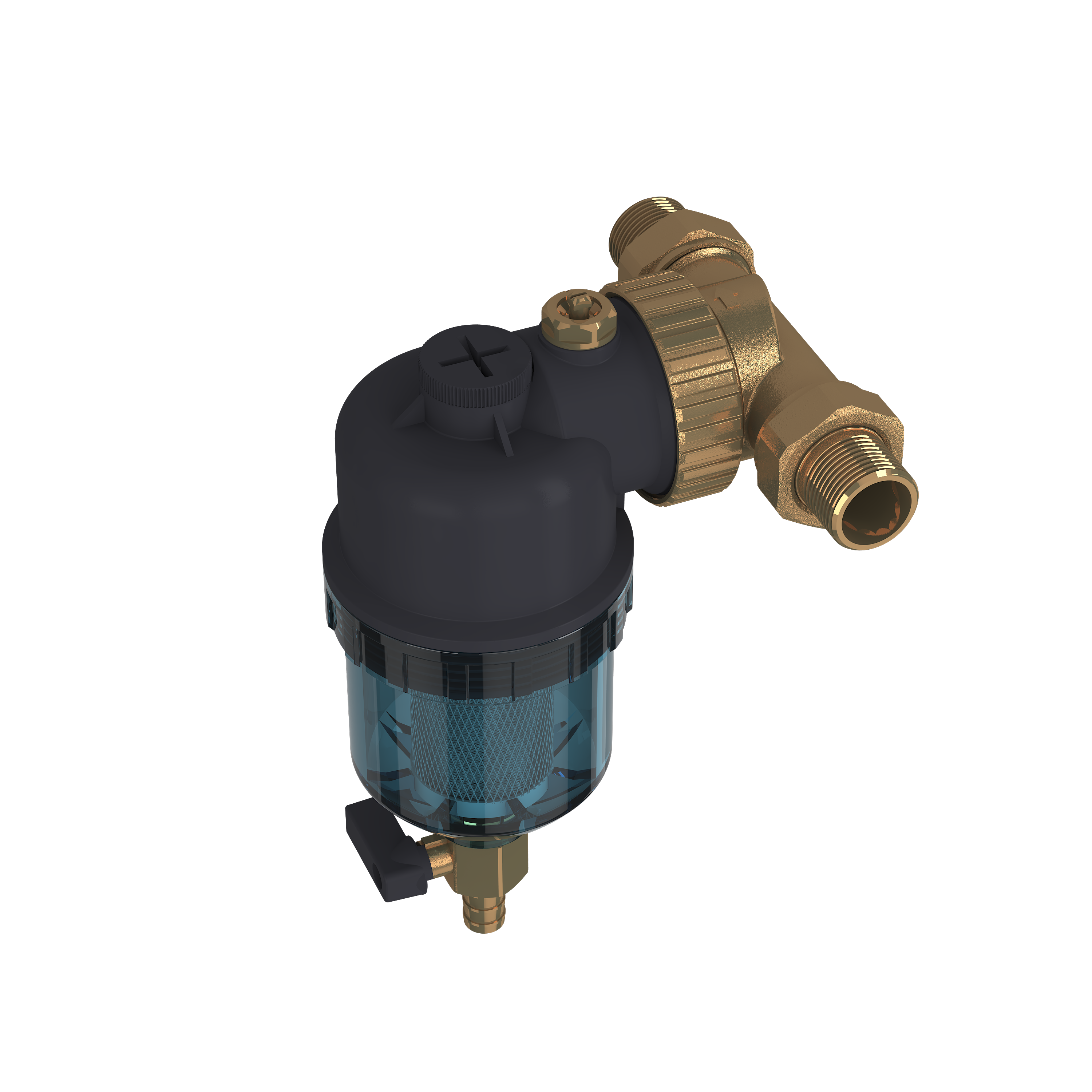
A magnetic filter operates through sophisticated magnetic field technology that captures ferrous particles and debris circulating within heating systems. The device utilizes powerful neodymium magnets strategically positioned to create strong magnetic fields that attract and retain iron oxide particles, commonly known as magnetite. This process prevents harmful contaminants from reaching sensitive boiler components, including heat exchangers, pumps, and control valves.
The filtration mechanism combines both magnetic attraction and physical straining to achieve comprehensive debris removal. While the magnetic component addresses ferrous materials, the integrated mesh elements capture non-magnetic particles such as limescale, copper particles, and organic matter. This dual-action approach ensures maximum protection for heating system components and maintains optimal water quality throughout the entire circulation network.
Installation Configuration Options
Professional installation of a magnetic filter requires careful consideration of system design, flow rates, and accessibility requirements. The device typically connects to the return pipework before the boiler, allowing treated water to enter the heat exchanger free from harmful contaminants. This positioning maximizes the protective benefits while ensuring easy access for routine maintenance procedures.
Various mounting configurations accommodate different installation scenarios, including vertical and horizontal orientations. The magnetic filter housing incorporates isolation valves that enable maintenance without draining the entire heating system. Advanced models feature bypass capabilities and service indicators that alert technicians when cleaning is required, streamlining maintenance procedures and minimizing system downtime.
Efficiency Benefits and Performance Improvements
Heat Transfer Enhancement
The primary benefit of implementing a magnetic filter lies in its ability to maintain clean heat exchanger surfaces within the boiler. Magnetite accumulation on heat transfer surfaces creates an insulating barrier that significantly reduces thermal conductivity. By removing these particles before they reach critical components, the magnetic filter ensures optimal heat transfer rates and maintains peak boiler efficiency throughout extended operating periods.
Research studies demonstrate that clean heating systems operate up to 6% more efficiently than contaminated systems. The magnetic filter contributes directly to this improvement by preventing the formation of insulating deposits that force boilers to work harder to achieve desired temperatures. This enhanced efficiency translates into reduced fuel consumption, lower energy bills, and decreased carbon emissions from heating operations.
System Flow Optimization
Debris accumulation within heating systems creates flow restrictions that force circulation pumps to work harder while delivering reduced performance. A properly functioning magnetic filter eliminates these obstructions by capturing particles before they can settle in narrow passages or clog system components. This improvement in flow characteristics reduces pump energy consumption while ensuring even heat distribution throughout the property.
The removal of flow restrictions also improves temperature control accuracy and reduces the occurrence of cold spots or uneven heating. Property occupants experience more consistent comfort levels while the heating system operates more efficiently to maintain desired temperatures. These improvements become particularly noticeable in larger properties with complex distribution networks where flow optimization is critical for balanced performance.
Long-term System Protection and Maintenance Benefits
Component Longevity Extension
Regular use of a magnetic filter provides substantial protection for expensive heating system components by preventing abrasive particle damage. Magnetite and other debris act like sandpaper within the system, causing premature wear of pump impellers, valve seats, and heat exchanger tubes. The filtration process removes these harmful particles, significantly extending component service life and reducing replacement costs.
The protective benefits extend beyond mechanical components to include electronic controls and sensors that can malfunction when exposed to contaminated water. Clean system conditions ensure accurate temperature monitoring, proper zone control operation, and reliable safety system function. This comprehensive protection reduces service calls, minimizes unexpected breakdowns, and maintains consistent system performance over extended periods.
Maintenance Cost Reduction
Property owners experience significant maintenance cost reductions when magnetic filter technology is properly implemented and maintained. The device eliminates the need for frequent system cleaning procedures and reduces the occurrence of component failures that require emergency repairs. Regular magnetic filter servicing is straightforward and cost-effective compared to major system overhauls necessitated by contamination damage.
The magnetic filter also simplifies routine maintenance procedures by providing a single collection point for system debris. Technicians can quickly assess system condition by examining filter contents during service visits. This diagnostic capability enables proactive maintenance approaches that prevent minor issues from developing into costly system failures, ultimately reducing total ownership costs over the heating system lifecycle.
Economic Impact and Return on Investment
Energy Cost Savings Analysis
The economic benefits of magnetic filter installation become evident through measurable reductions in energy consumption and associated utility costs. Properties with properly maintained magnetic filter systems typically experience 3-6% reductions in heating energy usage compared to unfiltered systems. These savings accumulate significantly over time, particularly in commercial and industrial applications with high heating demands.
Energy cost calculations demonstrate that magnetic filter investments typically achieve payback periods of 2-4 years through efficiency improvements alone. Additional savings from reduced maintenance costs and extended component life further enhance the economic benefits. Property owners can expect continued savings throughout the magnetic filter service life, which typically spans 10-15 years with proper maintenance.
Avoided Replacement and Repair Costs
The protective benefits of magnetic filter technology translate directly into avoided costs for premature component replacement and emergency repairs. Boiler heat exchangers, circulation pumps, and control valves protected by effective filtration last significantly longer than components in contaminated systems. These avoided replacement costs often exceed the initial magnetic filter investment, providing substantial economic returns.
Emergency repair situations, which often occur at inconvenient times and carry premium pricing, become less frequent in properly filtered systems. The magnetic filter reduces the likelihood of component failures that could leave properties without heating during critical periods. This reliability improvement provides peace of mind while avoiding the high costs associated with emergency service calls and expedited parts replacement.
Selection Criteria and Performance Specifications
Sizing and Flow Rate Considerations
Proper magnetic filter selection requires careful analysis of system flow rates, pipe sizes, and debris loading characteristics. Undersized units may create excessive pressure drops that reduce system performance, while oversized units represent unnecessary expense without proportional benefits. Professional sizing calculations consider peak flow rates, system volume, and expected contamination levels to determine optimal filter specifications.
The magnetic filter must accommodate system flow rates without creating restrictions that impact circulation pump performance. Modern designs incorporate streamlined flow paths and optimized magnetic arrangements that maximize filtration efficiency while minimizing pressure drop. These engineering improvements ensure that the magnetic filter enhances rather than hinders overall system performance.
Quality and Performance Standards
High-quality magnetic filter products meet stringent industry standards for filtration efficiency, pressure ratings, and corrosion resistance. The magnetic components must maintain their strength over extended periods despite exposure to system chemicals and temperature variations. Quality units incorporate protective coatings and corrosion-resistant materials that ensure long service life even in challenging water conditions.
Performance testing validates magnetic filter effectiveness under various operating conditions, including different flow rates, temperature ranges, and contamination levels. Certified products demonstrate consistent filtration efficiency and provide reliable protection throughout their service life. These quality assurances are essential for achieving the expected efficiency improvements and system protection benefits.
Professional Installation and Service Requirements
Installation Best Practices
Successful magnetic filter implementation requires professional installation that considers system design, accessibility, and maintenance requirements. The installation location must provide adequate clearance for filter servicing while ensuring optimal flow patterns through the magnetic field. Professional installers assess existing pipework and may recommend system modifications to maximize filter effectiveness.
Proper commissioning procedures ensure that the magnetic filter integrates seamlessly with existing system controls and safety devices. This process includes pressure testing, flow verification, and initial debris collection assessment. Professional installation guarantees that the magnetic filter operates as designed while maintaining system warranties and compliance with applicable codes.
Maintenance and Service Protocols
Regular magnetic filter maintenance is essential for sustained performance and continued system protection. Service intervals typically range from 6-12 months depending on system conditions and debris loading rates. The maintenance process involves isolating the filter, removing collected debris, and inspecting magnetic components for any deterioration or damage.
Professional service technicians can assess system condition by analyzing the type and quantity of debris collected in the magnetic filter. This information provides valuable insights into system health and may indicate the need for additional corrective measures. Regular maintenance records help optimize service intervals and identify trends that could impact long-term system performance.
FAQ
How often should a magnetic filter be cleaned and serviced?
The service frequency for a magnetic filter depends on several factors including system age, water quality, and contamination levels. New heating systems typically require more frequent servicing initially as construction debris and loose particles are removed. Most residential applications benefit from annual servicing, while commercial systems may require service every 6-8 months. Regular inspection of the magnetic filter contents helps determine optimal service intervals for specific installations.
Can a magnetic filter be installed on existing heating systems?
Yes, magnetic filter technology can be retrofitted to most existing heating systems with minimal modification to existing pipework. The installation process typically involves cutting into the return pipe and connecting the magnetic filter using compression or soldered fittings. Professional installers assess each system to determine the optimal location and configuration that maximizes filtration effectiveness while maintaining system performance. Existing systems often benefit significantly from magnetic filter installation as they may contain accumulated debris that impacts efficiency.
What is the typical lifespan of a magnetic filter?
A quality magnetic filter typically provides 10-15 years of reliable service when properly maintained and operated within design parameters. The magnetic components maintain their effectiveness throughout this period, while mechanical components such as valves and seals may require occasional replacement. Regular maintenance and professional servicing help ensure maximum service life and continued protection benefits. The filter housing and magnetic elements are designed to withstand system pressures and temperatures throughout extended operating periods.
How much can property owners expect to save with magnetic filter installation?
Energy savings from magnetic filter installation typically range from 3-6% of total heating costs, depending on system condition and contamination levels before installation. These savings translate to payback periods of 2-4 years for most residential applications. Additional savings from reduced maintenance costs and extended component life further improve the economic benefits. Commercial and industrial properties with larger heating systems often experience proportionally greater savings that justify magnetic filter investment within shorter timeframes.
Table of Contents
- Understanding Magnetic Filter Technology and Applications
- Efficiency Benefits and Performance Improvements
- Long-term System Protection and Maintenance Benefits
- Economic Impact and Return on Investment
- Selection Criteria and Performance Specifications
- Professional Installation and Service Requirements
- FAQ