
 EN
EN



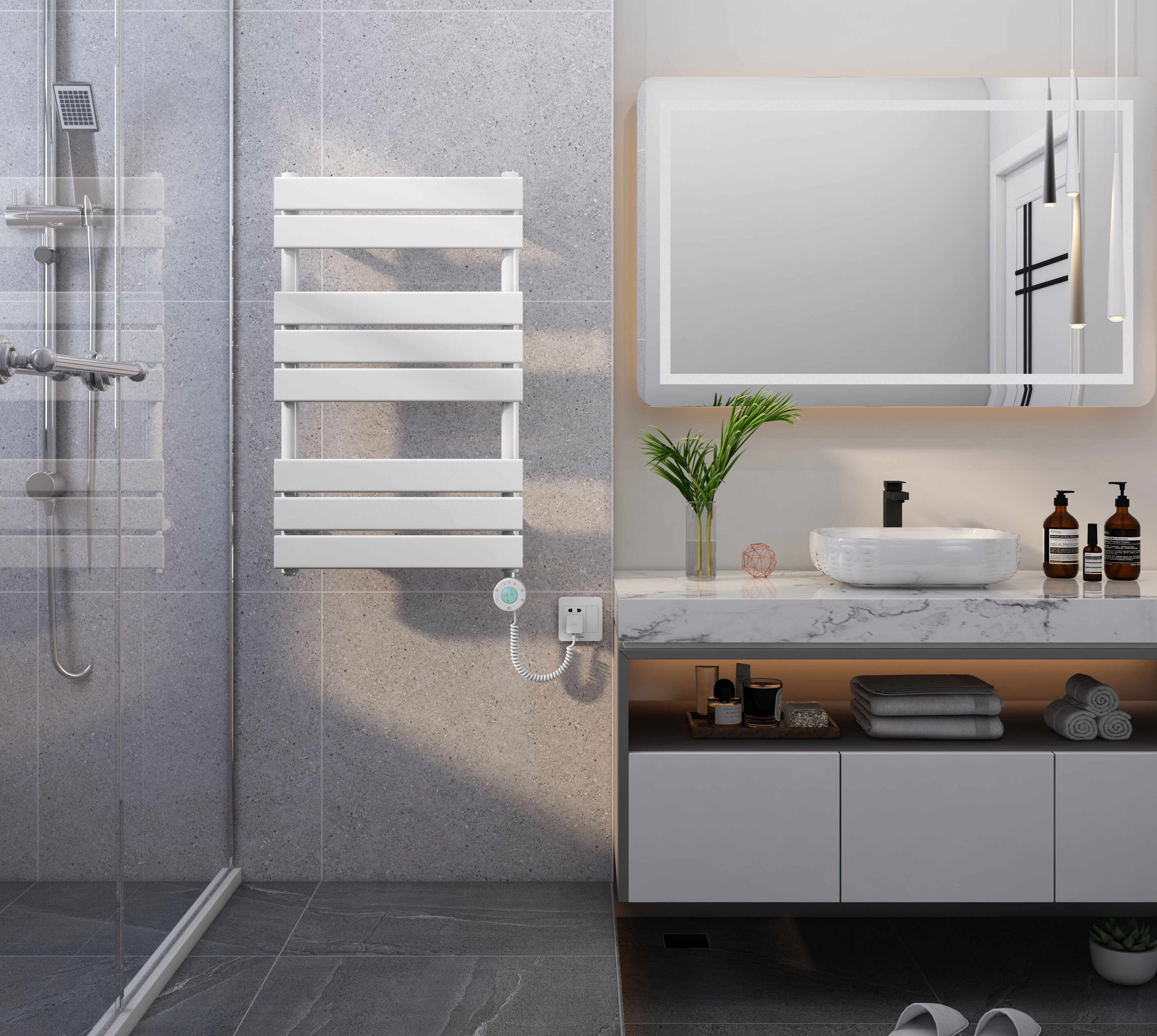
Modern bathrooms demand both functionality and aesthetic appeal, making the towel radiator an essential fixture that combines practical heating solutions with contemporary design elements. These innovative heating systems have revolutionized how homeowners approach bathroom comfort, providing efficient warmth while serving as elegant focal points that enhance interior design schemes. Unlike traditional heating methods, towel radiators offer dual functionality by keeping towels warm and dry while maintaining optimal room temperature throughout the year.
The evolution of bathroom heating technology has led to sophisticated designs that seamlessly integrate with modern architectural styles. Contemporary models feature sleek profiles, premium finishes, and energy-efficient operation that appeals to environmentally conscious consumers. Professional designers increasingly specify these units in high-end residential projects, recognizing their ability to transform ordinary bathrooms into luxurious spa-like environments that promote relaxation and comfort.
Design Options and Aesthetic Integration
Contemporary Styling Approaches
Modern towel radiator designs embrace minimalist aesthetics while maximizing functional performance. Manufacturers offer extensive collections featuring clean lines, geometric patterns, and sophisticated finishes that complement various interior design themes. Brushed stainless steel models provide industrial elegance, while powder-coated options deliver vibrant color choices that serve as accent pieces within neutral bathroom schemes.
Vertical configurations maximize wall space efficiency while creating striking visual elements that draw attention upward, enhancing perceived ceiling height. Horizontal orientations offer broader towel drying capacity and work particularly well in compact spaces where vertical clearance may be limited. Curved and angular designs provide unique architectural interest, allowing homeowners to express personal style preferences while maintaining optimal heating functionality.
Material Selection and Durability
Premium materials ensure long-lasting performance and visual appeal throughout years of daily use. Stainless steel construction offers superior corrosion resistance and maintains pristine appearance even in high-humidity environments. Aluminum options provide lightweight installation advantages while delivering excellent thermal conductivity for rapid heating response times.
Chrome-plated finishes create mirror-like surfaces that reflect natural light, contributing to brighter bathroom environments. Matte black coatings have gained popularity for their ability to create dramatic contrast against light-colored walls while concealing water spots and fingerprints. Specialized powder coating processes enable custom color matching to complement existing fixtures and hardware selections throughout bathroom spaces.
Installation and Technical Considerations
Electrical System Requirements
Electric towel radiator installations require proper electrical infrastructure to ensure safe and reliable operation. Dedicated circuits with appropriate amperage ratings must be installed by qualified electricians following local building codes and manufacturer specifications. Ground fault circuit interrupter protection is mandatory in bathroom environments to prevent electrical hazards in moisture-rich conditions.
Programmable thermostatic controls enable precise temperature management while optimizing energy consumption patterns. Timer functions allow users to schedule heating cycles according to daily routines, ensuring towels are warm when needed while minimizing unnecessary energy usage. Remote control capabilities and smart home integration options provide convenient operation from anywhere within the residence.
Mounting and Positioning Strategies
Proper positioning maximizes both heating efficiency and towel drying performance while maintaining safe clearances from plumbing fixtures and electrical components. Wall-mounted installations require secure fastening systems capable of supporting unit weight plus towel loads without compromising structural integrity. Stud location and appropriate hardware selection ensure long-term stability and prevent potential safety hazards.
Height recommendations typically position the unit between 24 and 48 inches from floor level to provide comfortable towel access while maintaining adequate clearance from vanity surfaces and other bathroom fixtures. Distance from shower enclosures should prevent direct water exposure while allowing sufficient heat circulation throughout the bathroom space.
Energy Efficiency and Performance Benefits
Heating Technology Advancements
Modern towel radiator systems incorporate advanced heating element technology that delivers rapid warm-up times and consistent temperature distribution. Low-wattage operation reduces electrical consumption while maintaining effective heating performance throughout extended operating periods. Thermal mass optimization ensures heat retention even after power cycles, extending comfort duration while minimizing energy costs.
Zoned heating capabilities allow independent bathroom climate control without affecting whole-house HVAC systems. This targeted approach reduces overall energy consumption by heating only occupied spaces when needed. Advanced insulation techniques minimize heat loss through wall connections, directing maximum thermal output into bathroom environments rather than adjacent structural elements.
Environmental Impact Considerations
Energy-efficient towel radiator operation contributes to reduced carbon footprint through optimized power consumption patterns. Programmable controls prevent unnecessary heating during unoccupied periods, while rapid response times eliminate extended warm-up requirements that waste electricity. Long operational lifespans reduce replacement frequency and associated manufacturing environmental impacts.
Recyclable construction materials support sustainable building practices when units eventually reach end-of-life status. Manufacturers increasingly emphasize eco-friendly production processes and packaging materials to minimize environmental impact throughout product lifecycles. Energy Star ratings and similar certifications help consumers identify the most efficient models for environmentally conscious purchasing decisions.
Maintenance and Longevity
Routine Care Requirements
Regular maintenance ensures optimal towel radiator performance and extends operational lifespan through preventive care practices. Weekly cleaning with appropriate non-abrasive products maintains finish quality while removing soap residue and mineral deposits that can accumulate in bathroom environments. Microfiber cloths prevent surface scratching while effectively removing moisture and debris from heating element surfaces.
Monthly inspection of electrical connections and mounting hardware identifies potential issues before they develop into serious problems. Loose fasteners should be tightened promptly to maintain structural stability and prevent unit displacement. Thermostat calibration verification ensures accurate temperature control and optimal energy efficiency throughout seasonal temperature variations.
Troubleshooting Common Issues
Understanding common towel radiator problems enables homeowners to address minor issues without requiring professional service calls. Uneven heating patterns often indicate air trapped within liquid-filled systems or scale buildup affecting heat distribution. Cold spots may result from inadequate electrical supply or failed heating elements requiring replacement by qualified technicians.
Temperature control malfunctions frequently stem from thermostat sensor problems or calibration drift over time. Cleaning sensor locations and recalibrating control systems often resolves these issues without component replacement. Unusual noises during operation may indicate loose mounting hardware or thermal expansion issues requiring adjustment of installation clearances.
FAQ
What size towel radiator do I need for my bathroom?
Towel radiator sizing depends on bathroom dimensions, insulation quality, and desired heating capacity. Calculate approximately 100-150 watts per square meter of bathroom floor space for adequate heating. Consider ceiling height, window area, and external wall exposure when determining final capacity requirements. Larger units provide more towel hanging space but may consume excessive energy in smaller bathrooms.
Can towel radiators be used as the primary heating source?
Towel radiators can serve as primary heating sources in well-insulated bathrooms with moderate climate conditions. However, supplementary heating may be necessary in larger spaces or regions with extreme winter temperatures. Consult with heating professionals to evaluate specific requirements and ensure adequate capacity for comfortable year-round operation without overloading electrical systems.
How much does it cost to operate a towel radiator?
Operating costs vary based on wattage, usage patterns, and local electricity rates. Typical units consume 100-600 watts and cost approximately $0.50-$3.00 per day when operated continuously. Programmable controls and timer functions significantly reduce consumption by limiting operation to needed periods. Energy-efficient models with superior insulation minimize heat loss and associated electrical costs.
Are towel radiators difficult to install?
Electric towel radiator installation complexity depends on existing electrical infrastructure and mounting requirements. Basic wall-mounted units with nearby electrical access can often be installed by competent DIY enthusiasts following manufacturer instructions. However, new electrical circuits, complex positioning, or safety concerns may require professional electrician services to ensure code compliance and safe operation.