
 EN
EN



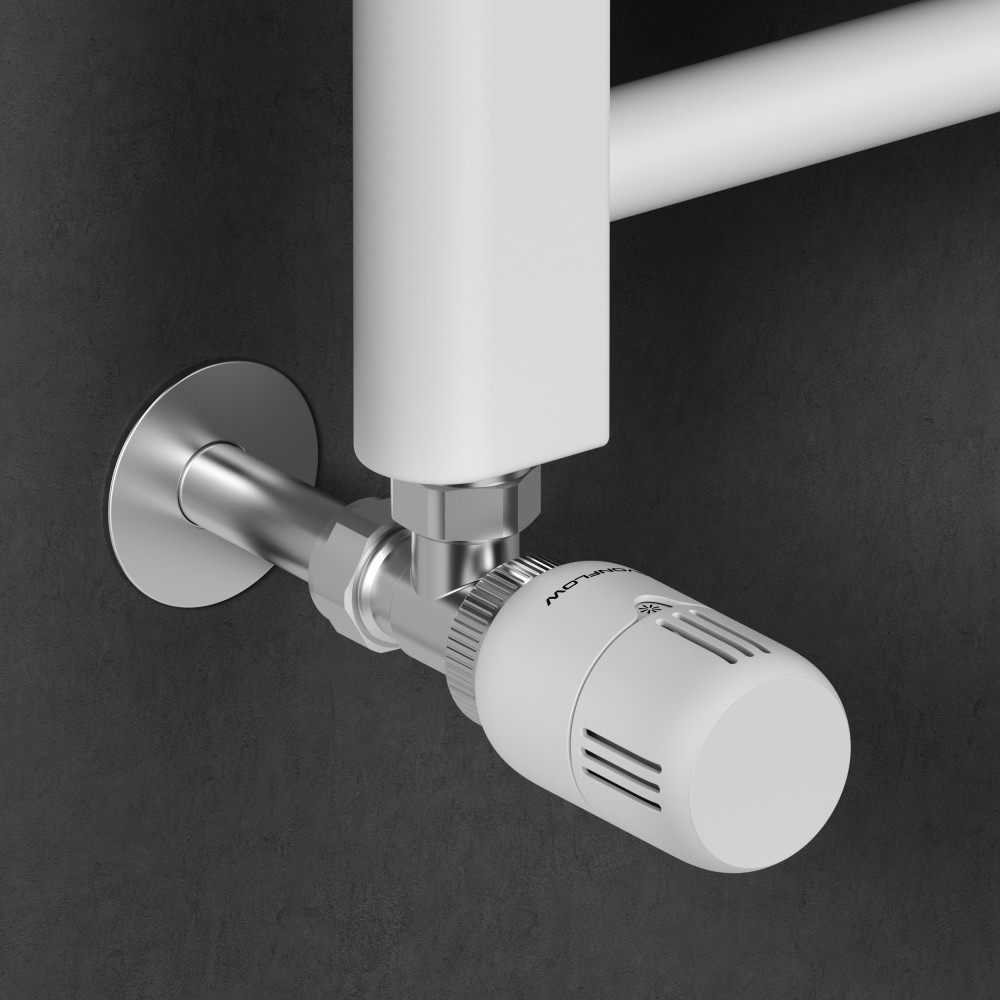
Modern homeowners are increasingly seeking smart solutions that combine energy efficiency with environmental responsibility. Intelligent TRVs represent a revolutionary advancement in home heating technology, offering precise temperature control while significantly reducing energy consumption. These sophisticated devices automatically regulate radiator heat output based on real-time room conditions, eliminating wasteful overheating and ensuring optimal comfort levels throughout the home.
The integration of advanced sensor technology and programmable features makes intelligent TRVs an essential component for households committed to sustainable living practices. Unlike traditional thermostatic radiator valves, these smart devices learn user preferences and adapt to daily routines, creating personalized heating schedules that maximize comfort while minimizing environmental impact.
Advanced Technology Behind Intelligent Temperature Control
Sensor Integration and Real-Time Monitoring
Intelligent TRVs incorporate sophisticated temperature sensors that continuously monitor ambient conditions within individual rooms. These sensors detect minute temperature variations and respond instantly to maintain desired comfort levels. The precision of modern intelligent TRVs ensures that each room receives exactly the amount of heat required, preventing energy waste associated with uniform heating systems.
Advanced models feature additional sensors that monitor humidity levels, occupancy patterns, and even external weather conditions. This comprehensive environmental monitoring enables intelligent TRVs to make predictive adjustments, preemptively modifying heat output based on anticipated changes in room conditions. The result is seamless temperature management that operates transparently in the background.
Programmable Logic and Learning Algorithms
The intelligence embedded within modern TRVs extends beyond simple temperature monitoring to include sophisticated programming capabilities. Users can establish detailed heating schedules that align with their daily routines, ensuring rooms are warm when occupied and energy-efficient when empty. These programmable features make intelligent TRVs particularly valuable for households with varying occupancy patterns.
Machine learning algorithms enable intelligent TRVs to analyze usage patterns over time, gradually optimizing their performance based on observed preferences. The system learns when rooms are typically occupied, preferred temperature ranges for different times of day, and seasonal adjustments. This adaptive behavior ensures that intelligent TRVs become more efficient and effective with continued use.
Environmental Benefits and Sustainability Impact
Energy Consumption Reduction
The primary environmental advantage of intelligent TRVs lies in their ability to dramatically reduce heating energy consumption. Studies indicate that properly implemented intelligent TRVs can decrease household heating costs by 15-30% compared to traditional heating systems. This reduction directly translates to lower carbon emissions and reduced environmental impact from fossil fuel consumption.
Room-by-room temperature control ensures that energy is only used where and when needed. Unoccupied rooms can maintain lower temperatures automatically, while living spaces remain comfortable during active use. This targeted approach to heating represents a fundamental shift from wasteful blanket heating to precision energy management through intelligent TRVs.
Carbon Footprint Minimization
Eco-conscious households recognize that heating represents the largest component of residential energy consumption in most climates. By optimizing heating efficiency, intelligent TRVs contribute significantly to overall household carbon footprint reduction. The cumulative environmental impact of widespread adoption could be substantial, particularly in regions with high heating demands.
The environmental benefits extend beyond direct energy savings to include reduced strain on power generation infrastructure. Peak heating demand periods create significant stress on electrical grids and heating fuel distribution systems. Intelligent TRVs help smooth demand patterns through predictive heating and load balancing, contributing to more stable and efficient energy distribution networks.

Installation Considerations and System Integration
Compatibility with Existing Heating Systems
Modern intelligent TRVs are designed for seamless integration with most existing radiator heating systems. The installation process typically requires minimal modifications to current plumbing or electrical infrastructure. Most models replace standard thermostatic valves directly, making the upgrade process straightforward for homeowners considering intelligent TRVs implementation.
Compatibility extends to various heating fuel types, including natural gas, oil, and electric systems. Intelligent TRVs work effectively with both traditional boiler systems and modern condensing units, ensuring broad applicability across different home heating configurations. Professional installation ensures optimal performance and proper system integration.
Smart Home Integration Capabilities
Contemporary intelligent TRVs often feature connectivity options that enable integration with broader smart home ecosystems. Wireless communication protocols allow these devices to interface with central home automation systems, providing unified control over multiple home functions. This integration enhances the convenience and effectiveness of intelligent TRVs within comprehensive smart home environments.
Mobile applications and web-based interfaces provide remote monitoring and control capabilities for intelligent TRVs. Users can adjust settings, monitor energy consumption, and receive maintenance notifications from anywhere with internet connectivity. This remote accessibility makes intelligent TRVs particularly appealing to tech-savvy homeowners and those who travel frequently.
Economic Advantages and Return on Investment
Initial Investment and Long-Term Savings
While intelligent TRVs require higher initial investment compared to basic thermostatic valves, the long-term economic benefits typically justify the expense. Energy savings accumulate monthly, with many households recovering the initial investment within two to three heating seasons. The precise control offered by intelligent TRVs ensures that every unit of energy purchased provides maximum heating value.
Maintenance costs for intelligent TRVs are generally minimal, as these devices are designed for reliable long-term operation. Quality units often include warranties that protect against defects and premature failure. The durability and reliability of modern intelligent TRVs contribute to their favorable total cost of ownership compared to frequently replaced basic valves.
Property Value Enhancement
Smart home features, including intelligent TRVs, increasingly contribute to property values in competitive real estate markets. Energy-efficient homes appeal to environmentally conscious buyers and those seeking to minimize ongoing utility costs. The presence of intelligent TRVs demonstrates a commitment to modern, sustainable living that can differentiate properties in crowded markets.
Energy efficiency ratings and certifications often improve with the installation of intelligent TRVs, particularly when combined with other smart home technologies. These improved ratings can provide tangible benefits during property sales and may qualify homes for various energy efficiency incentives or rebates offered by utilities or government programs.
Performance Optimization and Maintenance
Calibration and Fine-Tuning
Achieving optimal performance from intelligent TRVs requires proper initial calibration and periodic adjustment based on observed performance. Professional installation typically includes comprehensive system calibration to ensure accurate temperature sensing and appropriate response characteristics. This initial setup process is crucial for maximizing the efficiency benefits of intelligent TRVs.
Seasonal adjustments may be necessary to account for changing external conditions and varying household routines. Many intelligent TRVs include automatic seasonal adjustment features, while others require manual updates to heating schedules and temperature preferences. Regular performance monitoring helps identify opportunities for further optimization and ensures continued efficient operation.
Troubleshooting and Support
Modern intelligent TRVs incorporate diagnostic capabilities that simplify troubleshooting and maintenance procedures. Self-monitoring features can identify potential issues before they impact performance, often providing specific error codes or diagnostic information through connected applications. This proactive approach to maintenance helps prevent system failures and ensures reliable operation.
Manufacturer support for intelligent TRVs typically includes comprehensive documentation, online resources, and technical assistance. Many suppliers offer installation support, configuration guidance, and ongoing technical assistance to help users maximize the benefits of their investment. Quality support services contribute significantly to user satisfaction and system performance optimization.
Future Developments in Intelligent Heating Technology
Emerging Technologies and Innovations
The evolution of intelligent TRVs continues with advancing sensor technology, improved wireless communication protocols, and enhanced artificial intelligence capabilities. Future generations promise even greater efficiency through more sophisticated learning algorithms and broader environmental monitoring capabilities. These developments will further enhance the appeal of intelligent TRVs for eco-conscious households.
Integration with renewable energy systems represents an exciting frontier for intelligent TRVs development. Smart heating systems that coordinate with solar panels, heat pumps, and energy storage systems could optimize heating schedules based on renewable energy availability. This integration would maximize the environmental benefits of both intelligent TRVs and clean energy technologies.
Market Trends and Adoption Patterns
Growing environmental awareness and increasing energy costs drive expanding adoption of intelligent TRVs across residential markets. Government incentives for energy efficiency improvements often include smart heating technologies, further accelerating market penetration. The combination of environmental benefits, economic advantages, and technological sophistication makes intelligent TRVs increasingly attractive to diverse household types.
Industry standardization efforts aim to improve compatibility between different intelligent TRVs manufacturers and smart home platforms. These standards will simplify installation, enhance interoperability, and reduce costs through economies of scale. Standardization represents a crucial step toward mainstream adoption of intelligent TRVs technology across global markets.
FAQ
How much energy can intelligent TRVs save compared to traditional heating systems
Intelligent TRVs typically reduce heating energy consumption by 15-30% compared to traditional thermostatic valves or uniform heating systems. The exact savings depend on factors such as home size, insulation quality, occupancy patterns, and local climate conditions. Homes with significant temperature variations between rooms often experience the greatest efficiency improvements with intelligent TRVs installation.
Are intelligent TRVs compatible with all types of radiator heating systems
Most intelligent TRVs are designed for broad compatibility with standard radiator heating systems, including natural gas, oil, and electric boilers. However, specific compatibility should be verified with manufacturers before purchase, particularly for older heating systems or specialized configurations. Professional assessment can determine the most suitable intelligent TRVs options for specific heating system requirements.
What maintenance is required for intelligent TRVs to ensure optimal performance
Intelligent TRVs require minimal maintenance beyond periodic battery replacement for wireless models and occasional calibration checks. Annual professional inspection can help identify potential issues and ensure continued optimal performance. Regular monitoring through connected applications allows users to track performance trends and identify optimization opportunities without requiring extensive technical knowledge.
How do intelligent TRVs integrate with existing smart home systems
Many intelligent TRVs feature wireless connectivity that enables integration with popular smart home platforms through standard protocols like WiFi, Zigbee, or Z-Wave. This integration allows centralized control through smartphone apps and coordination with other smart home devices. Professional installation often includes smart home integration setup to ensure seamless operation within existing home automation systems.
Table of Contents
- Advanced Technology Behind Intelligent Temperature Control
- Environmental Benefits and Sustainability Impact
- Installation Considerations and System Integration
- Economic Advantages and Return on Investment
- Performance Optimization and Maintenance
- Future Developments in Intelligent Heating Technology
-
FAQ
- How much energy can intelligent TRVs save compared to traditional heating systems
- Are intelligent TRVs compatible with all types of radiator heating systems
- What maintenance is required for intelligent TRVs to ensure optimal performance
- How do intelligent TRVs integrate with existing smart home systems