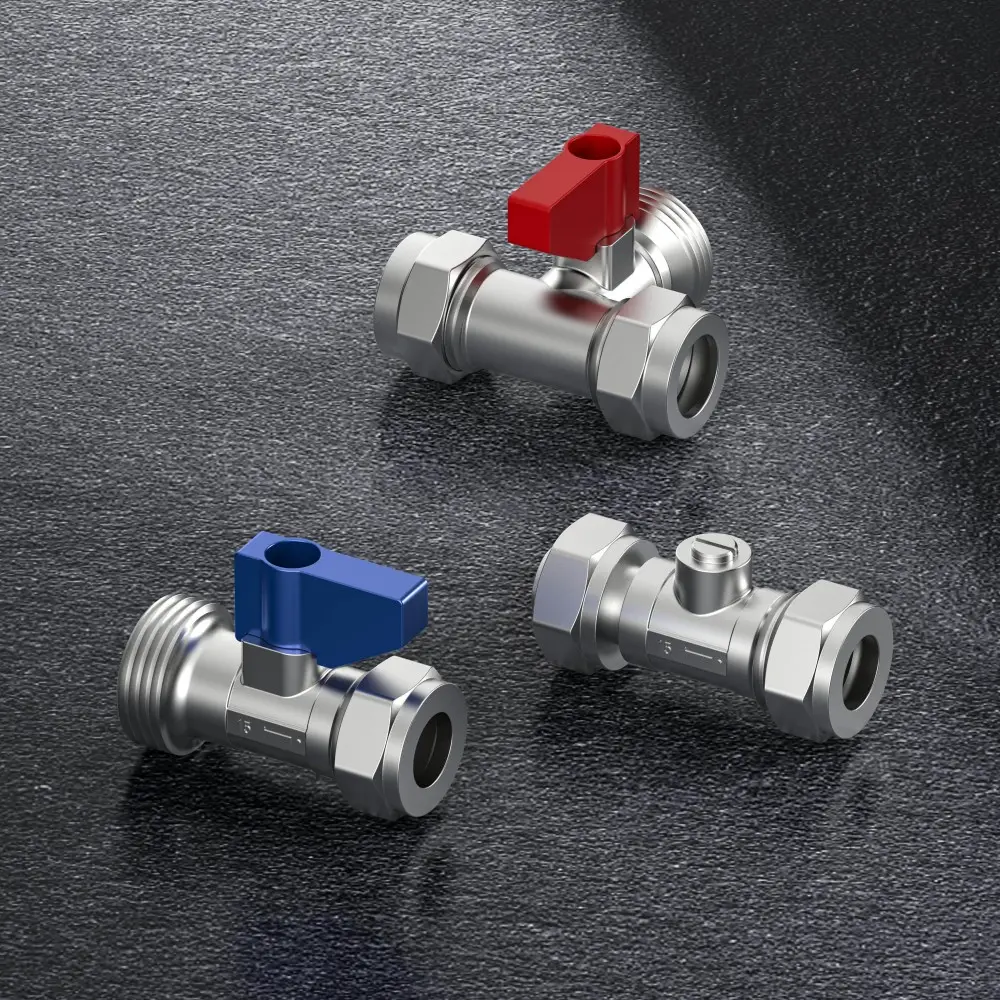
brass plumbing fittings
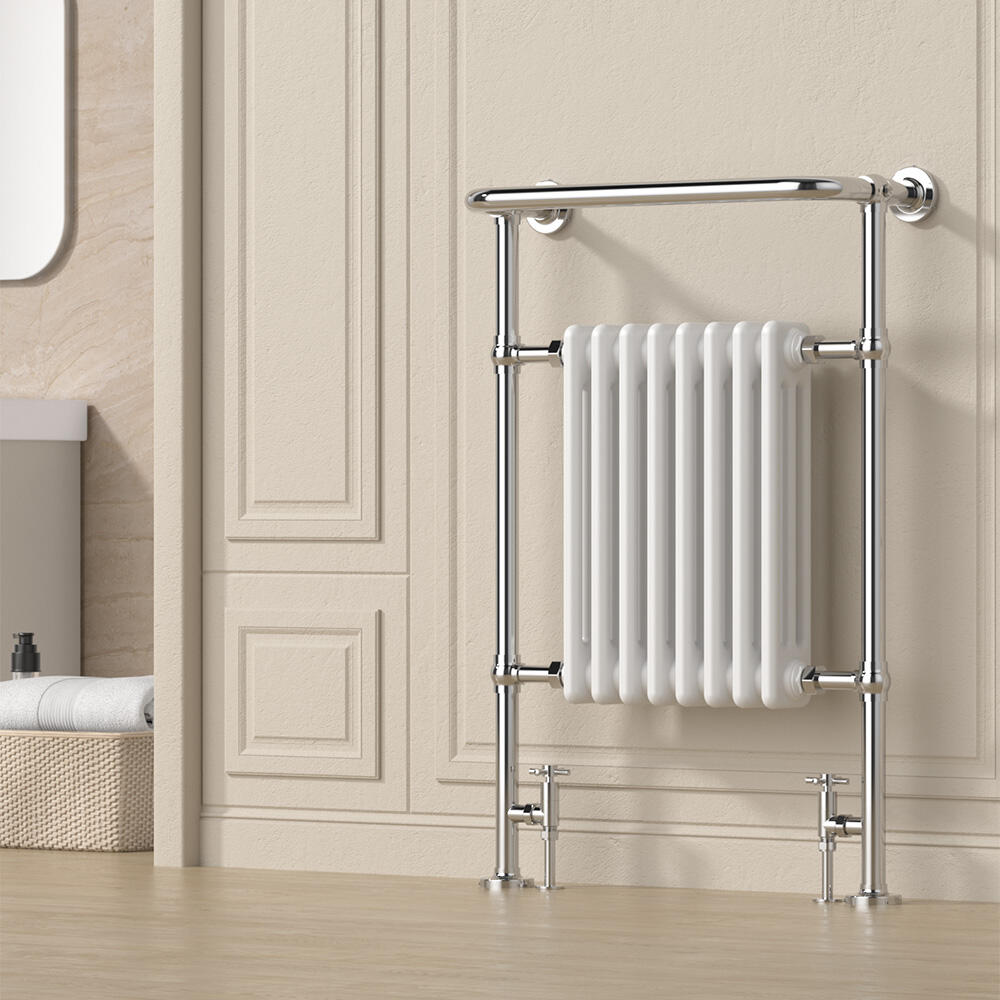
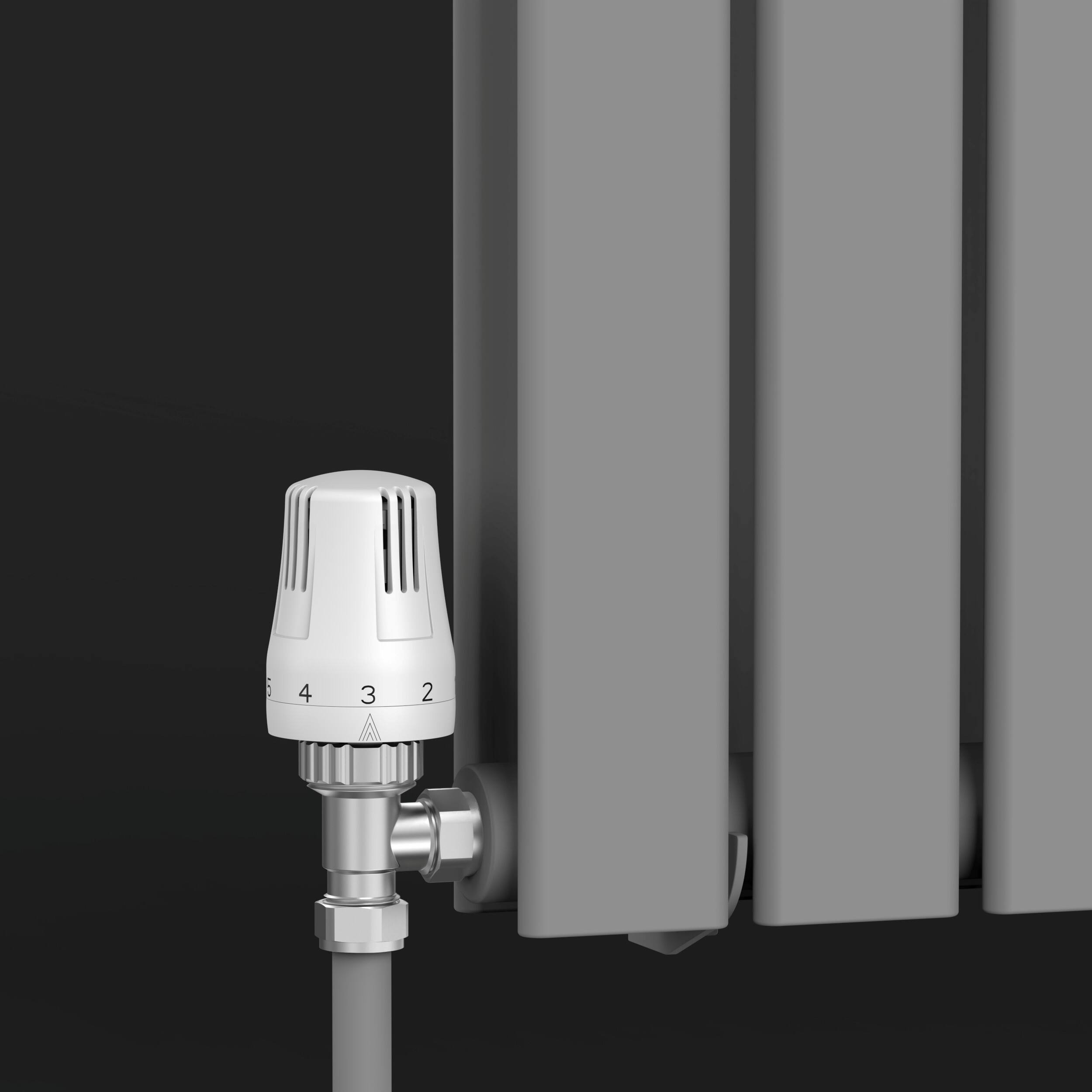
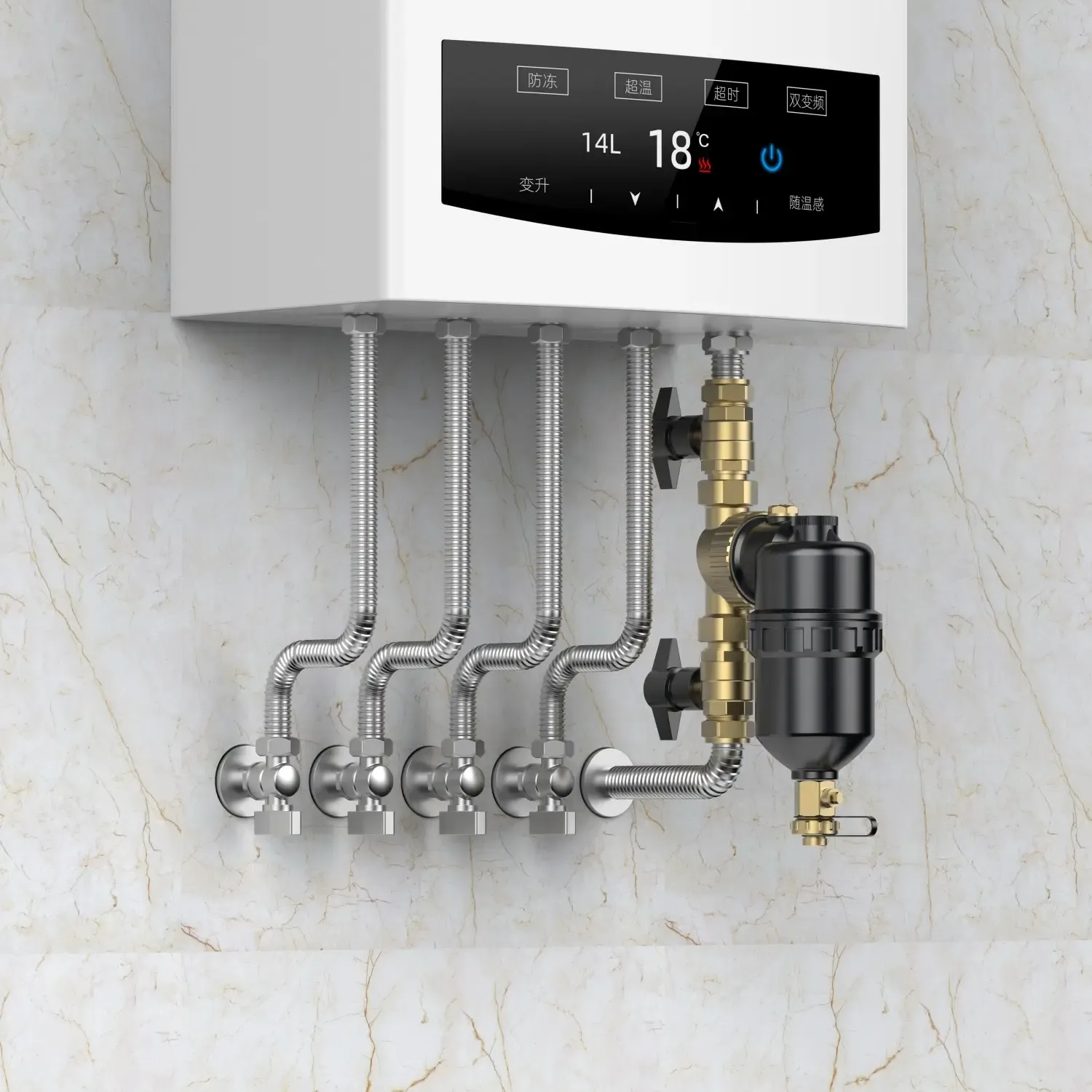
Brass plumbing fittings represent essential components in modern water distribution systems, serving as connectors that join pipes, regulate flow, and facilitate directional changes throughout residential and commercial plumbing networks. These precision-engineered fittings combine copper and zinc alloys to create durable connections that withstand years of continuous use under varying pressure conditions. The primary functions of brass plumbing fittings encompass connecting straight pipe sections, creating branch connections, reducing pipe diameters, and providing access points for maintenance activities. Their versatile design accommodates multiple pipe materials including copper, PVC, and flexible tubing systems. Technological features of brass plumbing fittings include threaded connections that ensure secure joints, compression mechanisms that create watertight seals, and corrosion-resistant surfaces that maintain structural integrity over extended periods. Advanced manufacturing processes produce fittings with precise tolerances, ensuring consistent performance across different installation scenarios. The malleability of brass allows for complex shapes and configurations, enabling manufacturers to create specialized fittings for unique applications. Applications for brass plumbing fittings span numerous sectors including residential water supply systems, commercial building infrastructure, industrial process piping, and irrigation networks. These fittings excel in hot water applications due to their thermal stability and resistance to temperature fluctuations. Municipal water systems frequently utilize brass plumbing fittings for meter connections, valve installations, and distribution manifolds. HVAC systems benefit from brass fittings in boiler connections, radiator assemblies, and cooling system components. Marine applications leverage the corrosion resistance properties of brass plumbing fittings for boat plumbing systems and dock installations. The versatility of these components makes them indispensable for both new construction projects and retrofit applications where reliable connections are paramount for system performance and longevity.

 EN
EN