
 EN
EN



If you’ve spent any time researching towel warmers, you’ve probably noticed that the market splits into two distinct camps: the classic heated rack, and the increasingly popular bucket-style warmer. Both promise the same thing—a warm, dry towel when you step out of the shower—but they go about it in very different ways.
So which one actually makes more sense for your home? We dug into real user experiences from Reddit, Amazon reviews, and expert testing to bring you an honest comparison.
How Each Style Works (and Why It Matters)
Heated Racks: The Traditional Approach
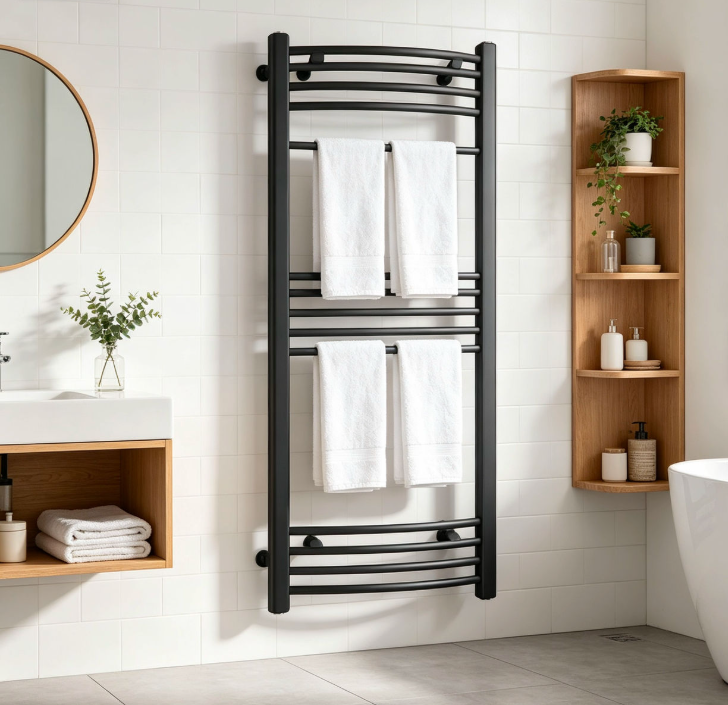
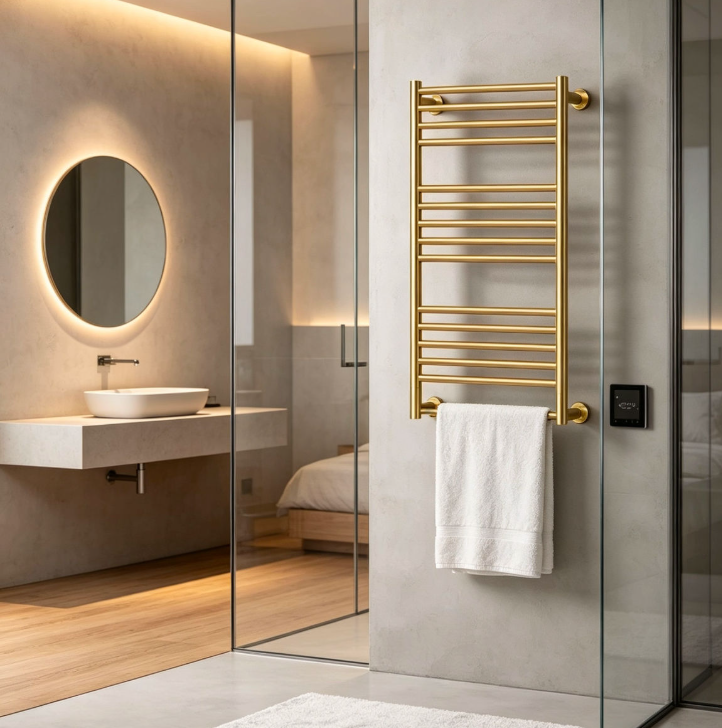
Heated towel racks—sometimes called rails or ladders—are the style you’ve seen in hotel bathrooms for decades. They consist of metal bars that heat up, and you drape your towel over them. The heat transfers to the towel through direct contact with those bars .
The appeal is obvious: they’re space-efficient (especially wall-mounted models), they look sleek, and they can handle multiple towels at once. A good rack with widely spaced bars can warm three or four towels simultaneously .
But there’s a catch that users consistently mention. Because only the parts of the towel touching the bars get heated, you often end up with “cold spots” where the fabric wasn’t in direct contact. One Amazon reviewer of a wall-mounted rack put it bluntly: “There didn’t seem to be much difference even when a completely dry towel is warmed for an hour at maximum temperature” .
Bucket Warmers: The Enclosed Chamber
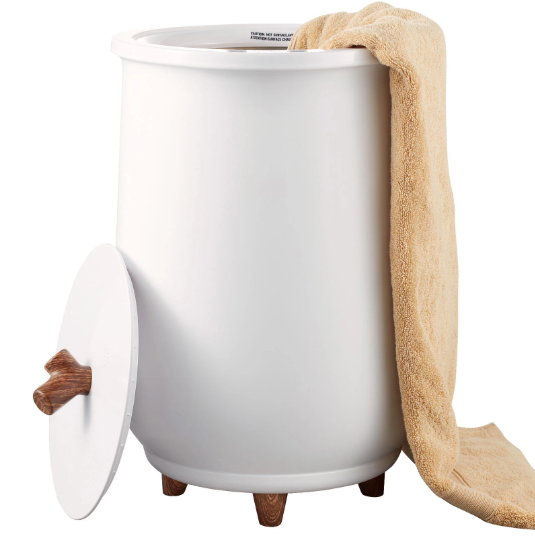
Bucket-style warmers work differently. Instead of hanging your towel, you fold it and place it inside an enclosed, insulated chamber. The entire interior heats up, so the towel gets warmed from all sides—not just where it touches a bar .
Hoc design habet magnam praerogativam: aequabilem calefactionem. In experimento Good Housekeeping de populari modulo scutellae, inventum est ut lintea ad 115°F (46°C) pervenirent in tantum 15 minuta, cum 'calefactione aequabili inter utraque lintea' . Plures recensentes Amazon hoc confirmaverunt; unus notavit se 'miratos esse quod calefactio esset omnino aequabilis in omnibus textilibus' .
Scutellae etiam diutius manent calidae, quia operculum calorem intrinsecus continet. Sicut House Digest observavit, postquam linteam de armario removis, ea fere statim incipit frigescere—scutella autem omnia calida tenet donec aperias .
Quid Usus Reddit Dicunt
Thermi Reddit in r/HomeImprovement, r/BuyItForLife, et r/Plumbing aliquas constantes formas ostendunt de quo modo veri domini de utroque stilo sentiunt.
Disputatio de 'qualitate caloris'. Un thema recurrente inter usuarios de Reddit es que le caldificatores de stilo cesto simplemente offere un calore plus intense e satisfacente. Un usator qui possede ambo stilos scripsit que le cesto ‘realmente face le asciugamani calide, non solmente minus frigide.’ Plure altere concordava, notante que le gratos sovente delude in iste respectu—specialmente si tu non dispone le asciugamani perfectemente.
Le uso pro le ‘bathroom de visitatores’. Un numero sorprendente de commentatores de Reddit menciona usar le caldificatores de cesto specificamente pro le bathroom de visitatores. Le ration: ‘Io non va a installar un grato in modo permanent in un camera que es usate tres vices per anno. Le cesto simplemente se connette al electricitate e io lo pote immagazinar quando non es necessari.’ Iste portabilitate es un veritable avantagio que le possessores de gratos non ha.
Le complainte ‘esthetic’. Isto es ubi le gratos vince in le discussiones de Reddit. Multe usatores dice que illos preferiria preferiria the look of a sleek wall-mounted rack but chose a bucket anyway because “it actually works.” One highly upvoted comment captured the sentiment perfectly: “I wanted the pretty rack. I bought the ugly bucket. I don’t regret it.”
The “safety with kids” concern. Multiple Reddit parents noted that exposed hot metal bars on racks made them nervous with toddlers around. Buckets, which have insulated exteriors and stay relatively cool to the touch, were seen as the safer option .
The Practical Trade-Offs
Spacium et Locatio
This is where the two styles diverge dramatically.
Scaffoldes can be wall-mounted (space-efficient but requires drilling, and often an electrician for hardwired models) or freestanding (easier to install but takes up floor space). A plug-in rack is a middle ground, but you still need a nearby outlet .
Cophini are freestanding by nature. They sit on the floor or a counter, plug into any standard outlet, and require zero installation . The trade-off is floor space—buckets are bulky, and you need room to open the lid and load towels.
Capacitas et Versatilitas
Racks win on raw capacity for hanging items. A large rack can hold multiple towels and even a bathrobe draped over the bars .
Buckets win on quid you can warm. Because they’re enclosed, you can toss in not just towels but also pajamas, socks, underwear, and even small blankets . A 25-liter bucket can fit five large towels or a robe and several beach towels . One Amazon reviewer who uses theirs by the hot tub noted: “Can fit a robe and multiple beach towels at one time. Towels come out warm and fluffy” .
Tutum
Buckets have a clear edge here. The exterior stays cool, and most models include auto-shutoff timers and sometimes child locks . Racks have exposed hot metal bars that can cause burns if you bump into them—a genuine concern for households with small children or pets .
One Amazon reviewer of a bucket warmer did note that the iNTERIOR fitur ‘PANAS BERSAMA’ dengan cepat, jadi Anda tetap harus berhati-hati saat memasukkan tangan . Namun profil keselamatan bagian luar jauh lebih ramah dibandingkan rak terbuka.
Quod Eligere Deberes?
Jawaban jujurnya adalah: tergantung pada prioritas Anda.
Pilih rak jika:
Anda menginginkan perlengkapan permanen bergaya desain yang tampak terintegrasi
Anda memiliki ruang lantai terbatas
Anda terutama menghangatkan handuk (bukan pakaian atau selimut)
Anda tidak keberatan menggantung handuk secara hati-hati agar kontak maksimal dengan batang pemanas
Anda memiliki kamar mandi yang digunakan setiap hari dan bersedia menyalakannya jauh sebelum mandi
Elige un cubo si:
Deseas calor constante y uniforme sin tener que ajustar la colocación de las toallas
Deseas calentar batas, pijamas o mantas, no solo toallas
Valoras la portabilidad (moverlo entre baños o guardarlo cuando no se usa)
Tienes niños o mascotas y deseas una opción más segura
Una nota práctica de reseñas de usuarios: si eliges un tendedero, enciéndelo al menos 20–30 minutos antes de ducharte; si eliges un cubo, normalmente bastan 10–15 minutos esa diferencia de tiempo refleja el compromiso fundamental del diseño: las cámaras cerradas calientan más rápido y de forma más uniforme, pero los tendederos abiertos pueden alojar más artículos en menos espacio en el suelo.
FAQ
¿Puedo instalar un calentador tela rastri yo mismo?
Plug-in models can be DIY-installed if there’s an outlet nearby. Hardwired models require a licensed electrician and should comply with local bathroom wiring regulations .
Do bucket warmers use a lot of electricity?
Most consume between 60 and 200 watts—comparable to a few light bulbs. Running costs are typically a few cents per day depending on usage and local electricity rates .
Will a towel warmer help with bathroom mold?
Yes. By drying towels thoroughly between uses, a towel warmer reduces the damp conditions where mold and mildew thrive. This benefit applies to both racks and buckets .
How many towels can a bucket hold?
It varies by model, but a 20–25 liter bucket typically fits 4–6 large bath towels, or a robe plus several smaller items. The more you put in, the longer it takes to heat through .
Which style do hotels use?
Hotels de alt nivel folosesc in mod covarsitor suporturi — partial din cauza esteticii designului, si partial pentru ca suporturile pot fi conectate direct, in mod discret, la perete. Totusi, unele centre de bine-este si de tratamente balneare adopta incalzitoare de tip vas pentru incalzirea uniforma si pentru capacitatea lor de a incalzi halatele .