
 EN
EN



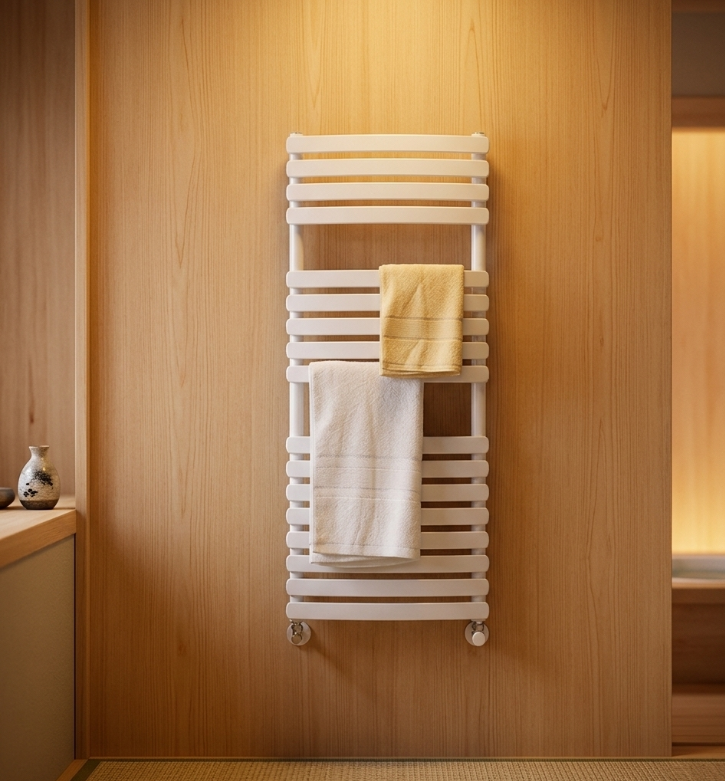
If you've stayed in a boutique hotel or luxury property recently, you've likely noticed one bathroom fixture that keeps appearing: the heated towel rack. It's no accident. What was once reserved for five-star spas has become an expected detail in design-led hospitality.
That same shift is now happening in residential bathrooms, as homeowners recognize what hoteliers have known for years: a heated towel rack is less about luxury and more about a better bathroom experience.
How Heated Towel Racks Elevate the Bathroom Experience
Warm Towels and Immediate Comfort
The most immediate and obvious benefit is also the most noticeable: stepping out of the shower to a warm, dry towel. In hospitality settings, guests notice this detail right away—it's one of the small touches that transforms a functional space into a memorable experience. For homeowners, the effect is the same. A warm towel provides comfort that a cold towel bar simply cannot match, particularly during cooler months.
Faster Drying and a Fresher Bathroom Environment
Beyond warmth, heated towel racks ensure towels dry completely between uses. Wet, damp towels are not only unpleasant to use but also create an environment where bacteria thrive and musty odors develop. A heated rack accelerates drying, meaning towels stay fresher for longer and the bathroom itself feels more inviting.
Hygiene and Health Benefits
Bacterial Growth Reduction
Damp towels are a breeding ground for bacteria and mildew. Research has shown that heated towel drying can reduce bacterial growth by up to 94% compared to unheated towel storage. "Research has shown that heated towel drying can reduce bacterial growth by up to 94% compared to unheated towel storage (independent laboratory study, EMSL Analytical, 2022)." Heat is one of the most effective ways to slow bacterial proliferation and eliminate the musty smell that develops when towels remain damp. For households with children, sensitive skin, or anyone concerned about bathroom hygiene, this benefit is significant.
Mold and Mildew Prevention
Bathrooms are naturally humid environments. Even with good ventilation, moisture can linger, creating conditions where mold thrives. A heated towel rack helps reduce localized humidity by drying towels efficiently, which in turn reduces the risk of mold growth on walls and fixtures. This is particularly valuable in bathrooms without strong mechanical ventilation.
Practical and Financial Benefits
Reduced Laundry Frequency and Water Savings
Towels that dry thoroughly between uses stay fresh longer, meaning they don't need to be washed as often. Some manufacturers report that towels dried on heated racks can last three to four uses before washing, compared to just one or two for towels that remain damp. This reduction in laundry saves water and detergent, and reduces wear on towels, extending their usable life.
Low Running Costs
Many homeowners worry that a heated towel rack will be expensive to operate. In practice, the opposite is often true. Most electric models consume between 60 and 200 watts—comparable to a few modern LED televisions. At typical UK electricity tariffs, some models cost as little as £0.03 per hour to run. In North America, operating costs can be a few cents per day, or less than a cup of coffee per month. For households that currently use a tumble dryer, the reduced need for machine drying can help offset some of the running costs.
Supplemental Bathroom Heating
While not a replacement for a primary heating system, a heated towel rack provides gentle radiant warmth that takes the chill off a small bathroom. A 240W model, for example, delivers up to 819 BTUs per hour of heat. This supplemental warmth makes the bathroom more comfortable during winter and can help reduce reliance on larger heating appliances.
Design Versatility for Any Bathroom
Style and Finish Options
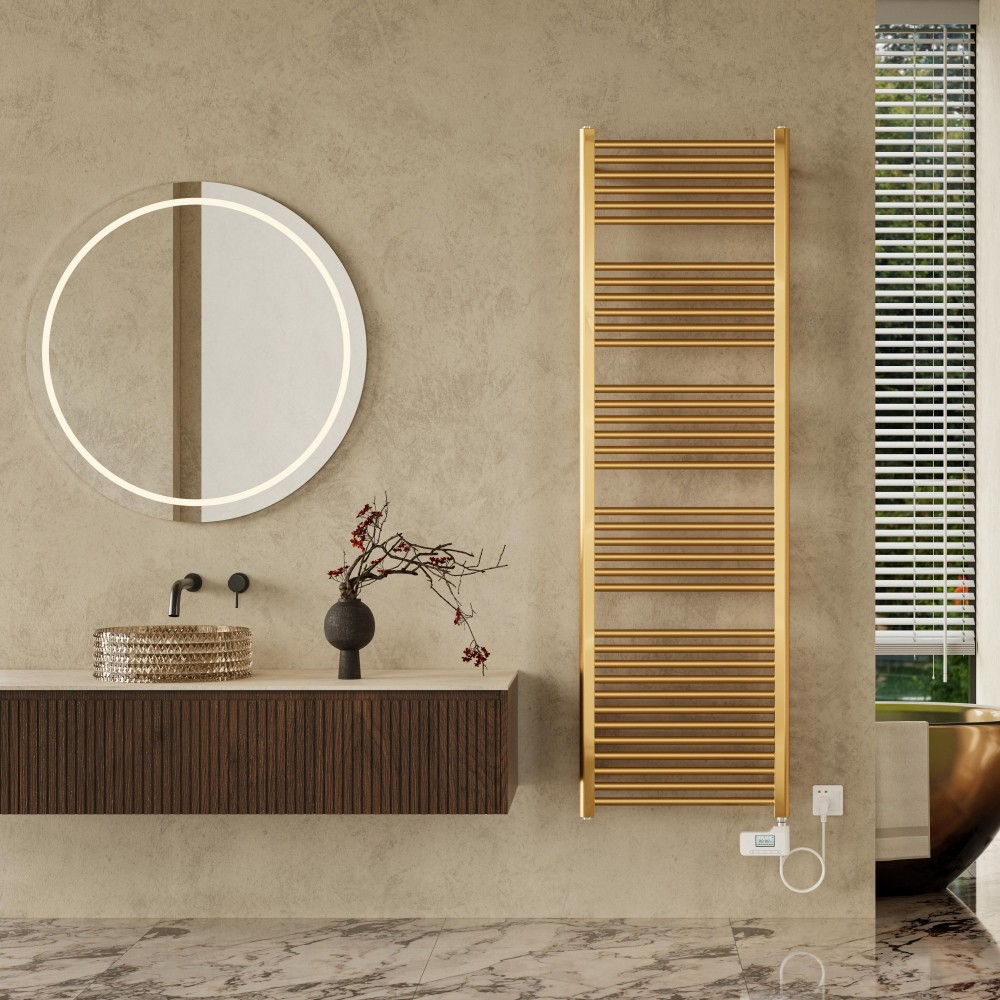
Modern heated towel racks are available in an impressive range of styles, finishes, and configurations. Options include classic round-bar designs, square architectural profiles, flat heated panels, and contemporary minimalist bars. Finishes range from polished chrome and stainless steel to matte black, brushed gold, and anthracite. This variety means a heated towel rack can complement virtually any design scheme, from traditional heritage bathrooms to ultra-modern master suites.
Installation Flexibility
Installation options have also expanded. Plug-in models offer a DIY-friendly solution requiring no electrical work beyond connecting to a standard outlet. Hardwired models provide a cleaner, more permanent installation and can be integrated with light switches or smart controls. For homes with central heating, hydronic towel racks connect directly to the hot water circuit, offering an additional installation pathway.
FAQ
Do heated towel racks use a lot of electricity?
No. Most models consume between 60 and 200 watts—similar to a few energy-efficient light bulbs. Running a 100W model for four hours per day costs approximately £0.12 at typical UK electricity rates. Some models cost as little as $0.03 per day.
Can I install a heated towel rack myself?
Plug-in models are designed for DIY installation, requiring only a standard electrical outlet. Hardwired models require a qualified electrician to connect the unit to the mains supply. Always follow local building regulations.
Do heated towel racks help reduce bathroom mold?
Yes. By drying towels thoroughly and reducing localized humidity, heated towel racks help prevent the damp conditions that allow mold and mildew to grow.
How long do heated towel racks take to heat up?
Most electric models reach surface temperature within 15 to 30 minutes. Some premium models heat up within three to five minutes. Drying a wet towel can take a few hours, depending on the model and towel thickness.
What is the difference between electric and hydronic heated towel racks?
Electric models are powered by the mains and are easier to install, particularly in bathrooms without access to a central heating system. Hydronic models connect to the home's hot water circuit and operate as radiators, providing both towel warming and room heating. Operating costs depend on the energy source: electric models are more expensive to run in regions with high electricity tariffs, while hydronic models generally have lower running costs but require more complex installation.