
 EN
EN




Energy consumption in residential and commercial buildings remains one of the largest operational expenses for facility managers and homeowners alike. Heating systems alone account for a significant portion of monthly utility bills, yet many buildings operate without precise temperature control at the point of use. TRVs offer a solution that directly addresses this inefficiency by allowing individual radiators to maintain optimal temperatures independently. Understanding how TRVs function and why they deliver measurable savings is essential for anyone looking to reduce energy costs without sacrificing comfort.
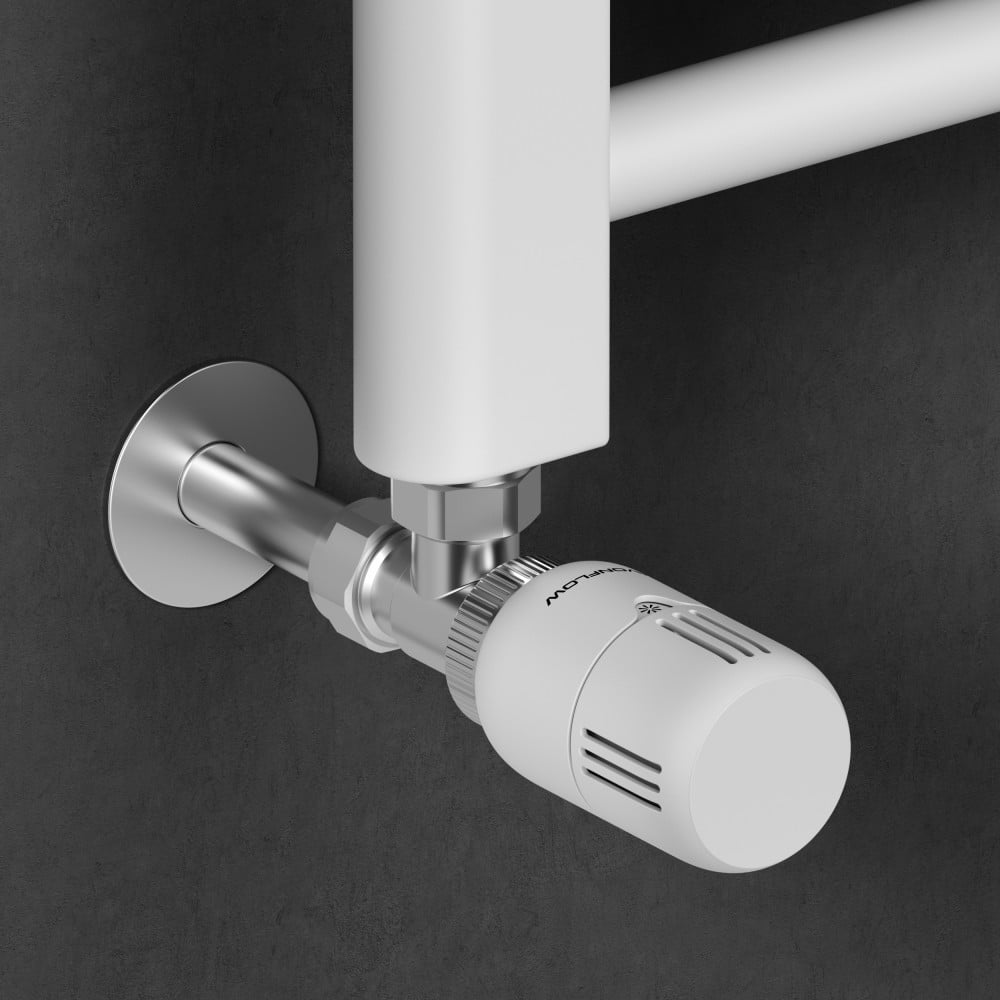
TRVs represent a proven technology that has transformed heating management across Europe, North America, and beyond. By installing TRVs on radiators throughout a property, building managers gain granular control over room-by-room temperature settings. This localized approach eliminates the common problem of overheating certain spaces while others remain uncomfortable, creating both energy waste and thermal dissatisfaction. The cumulative effect of properly deployed TRVs typically results in energy bill reductions ranging from ten to thirty percent, depending on building age, insulation quality, and usage patterns.
How TRVs Work to Reduce Heating Costs
Thermostatic Valve Operation and Temperature Sensing
At their core, TRVs function through a simple yet elegant mechanism based on thermal expansion. Inside each TRV sits a temperature-sensitive element that expands or contracts in response to room temperature changes. When room temperature rises above the desired setpoint, this element expands and closes the valve, restricting hot water flow to the radiator. Conversely, when temperature drops, the element contracts and reopens the valve, allowing more heated water to flow. This automatic adjustment means TRVs continuously balance comfort with efficiency without requiring occupant intervention or complex programming.
The response time of TRVs typically ranges from five to fifteen minutes depending on the specific model and radiator design. This relatively quick adjustment period prevents temperature overshoot and rapid cycling, which would waste energy. TRVs maintain a stable indoor climate by making micro-adjustments throughout the heating season, responding to solar gain, occupancy patterns, and external weather variations. Unlike central thermostats that treat entire zones or buildings as single units, TRVs provide individualized temperature control at each radiator, capturing efficiency gains impossible with traditional systems.
Water Flow Optimization and System Pressure Balance
Many heating systems in older buildings were designed to supply maximum water flow to all radiators simultaneously, often resulting in over-provision of heat to underutilized spaces. When TRVs restrict flow to certain radiators, they reduce overall system demand, which lowers pump energy consumption and boiler runtime. This cascading benefit means installing TRVs across a building typically reduces not just radiator heat output but also central system operational costs. Modern heating systems with TRVs use variable-speed pumps that detect reduced demand and automatically throttle back, multiplying energy savings throughout the infrastructure.
Pressure-independent TRVs incorporate additional balancing technology that ensures each radiator receives appropriate flow regardless of position in the heating circuit. Corner radiators and those farthest from the boiler often faced either insufficient heat or excessive flow under traditional designs. By maintaining stable pressure relationships, pressure-independent TRVs ensure equitable heat distribution while maintaining the energy reduction benefits that TRVs deliver. This advancement makes TRVs suitable for complex building layouts where conventional radiator balancing would be impractical or require manual adjustment.
Energy Efficiency Gains and Financial Impact
Quantifiable Reductions in Heating Expenses
Documented case studies consistently show that buildings retrofitted with TRVs achieve heating cost reductions within the first heating season. Properties in temperate climates typically see reductions ranging from twelve to twenty percent, while buildings in colder regions often achieve twenty to thirty percent savings. These percentages translate directly to lower energy bills, with payback periods for TRV installation often occurring within two to four years for residential properties and even faster for commercial buildings with higher heating costs. The financial benefit of installing TRVs scales with heating intensity, making them particularly valuable in regions with long winters or in buildings requiring continuous climate control.
Beyond immediate heating cost reduction, TRVs provide secondary financial advantages through reduced maintenance requirements and extended boiler lifespan. When boilers operate at lower average load due to TRV-enabled demand reduction, they experience less thermal stress and require servicing less frequently. Energy savings from TRVs also position buildings favorably for potential utility rebates, tax incentives, or carbon credit programs available in many jurisdictions. Facility managers using TRVs can demonstrate measurable efficiency improvements to building owners, tenants, or regulatory bodies seeking evidence of energy management commitment.
Comfort Improvement as an Efficiency Driver
An often-overlooked benefit of TRVs is that they enable occupant comfort preferences without sacrificing efficiency. When tenants or residents have ability to set their individual room temperature through TRVs, they feel empowered to optimize their environment rather than demanding higher central setpoints. This psychological element means that buildings with TRVs often see higher satisfaction scores and lower thermostat tampering compared to buildings with centralized heating control. Improved occupant satisfaction translates to better tenant retention, fewer complaints, and ultimately lower operational friction, all while TRVs maintain or improve energy efficiency metrics.
Installation Considerations and System Integration
Retrofit Applications and Compatibility Factors
TRVs can be retrofitted to virtually any hydronic heating system using radiators, making them accessible to most building owners without requiring complete system redesign. Installation involves removing the existing valve at the radiator inlet and replacing it with a TRV unit calibrated to the desired setpoint. Most retrofit installations proceed smoothly on standard systems, though systems with unusual piping configurations or non-standard radiator connections may require adapter fittings. Professional installation ensures that TRVs are properly balanced within the overall system and that differential pressure regulators or pump controls are adjusted to accommodate reduced demand from active TRVs.
New construction projects benefit from TRVs integrated into the design phase, allowing engineers to specify appropriately sized boilers and pumps based on actual demand curves rather than design peak loads. Retrofit projects require assessment of existing system characteristics, including pump capacity, boiler rating, and piping configuration. Systems with manual balancing valves may need conversion to automatic balancing to fully optimize energy savings from TRVs. Building managers should consult with HVAC professionals to determine whether auxiliary equipment upgrades will enhance TRV performance in their specific installation.
Setpoint Selection and Occupancy-Based Operation
Proper setpoint configuration is critical to maximizing the efficiency benefits that TRVs provide. Most residential applications set TRVs between eighteen and twenty-one degrees Celsius, with lower setpoints in unused spaces and higher setpoints in occupied areas. Commercial buildings often use differentiated setpoints by functional space type, with TRVs in conference rooms set lower during off-hours and adjusted upward before scheduled use. Programming TRVs or using dynamic setpoints tied to building occupancy sensors can further amplify efficiency, as spaces automatically reduce temperature when unoccupied.
Seasonal adjustment of TRV setpoints provides additional efficiency optimization opportunities. During mild shoulder seasons, even occupied spaces can maintain comfort with lower setpoints, reducing heating demand significantly. Some advanced TRV models incorporate smart connectivity allowing remote adjustment or time-based programming, though even simple manual TRVs deliver substantial efficiency gains when occupants understand their function and optimize settings seasonally. Building commissioning processes should include occupant training on TRV operation and guidance on recommended setpoints for different occupancy scenarios.
FAQ
What is the typical payback period for installing TRVs?
The payback period for TRVs typically ranges from two to four years in residential applications and can be even shorter in commercial buildings with higher heating costs. Actual payback depends on factors including local energy prices, building age, heating system efficiency, and climate. Since TRVs have minimal maintenance requirements and a functional lifespan of ten to fifteen years, the return on investment extends well beyond the payback period, with many installations providing measurable savings for two decades or more.
Can TRVs be installed on existing radiators?
Yes, TRVs can be retrofitted onto existing radiators in most standard heating systems. Installation involves removing the old radiator valve and replacing it with a TRV, a straightforward procedure that typically takes less than an hour per radiator. Some older systems or non-standard radiator connections may require adapter fittings, but these are widely available. Professional HVAC technicians can assess compatibility and complete retrofit installations without system disruption.
How do TRVs compare to programmable thermostats?
While programmable thermostats control central boiler and pump operation, TRVs provide room-by-room temperature adjustment that prevents overheating while other spaces remain cold. TRVs and programmable thermostats complement each other; many efficient buildings use both technologies together. TRVs offer superior granularity for multi-zone buildings where occupancy patterns vary significantly across different spaces, whereas central thermostats work best for uniformly occupied buildings with consistent heating demands.