
 EN
EN



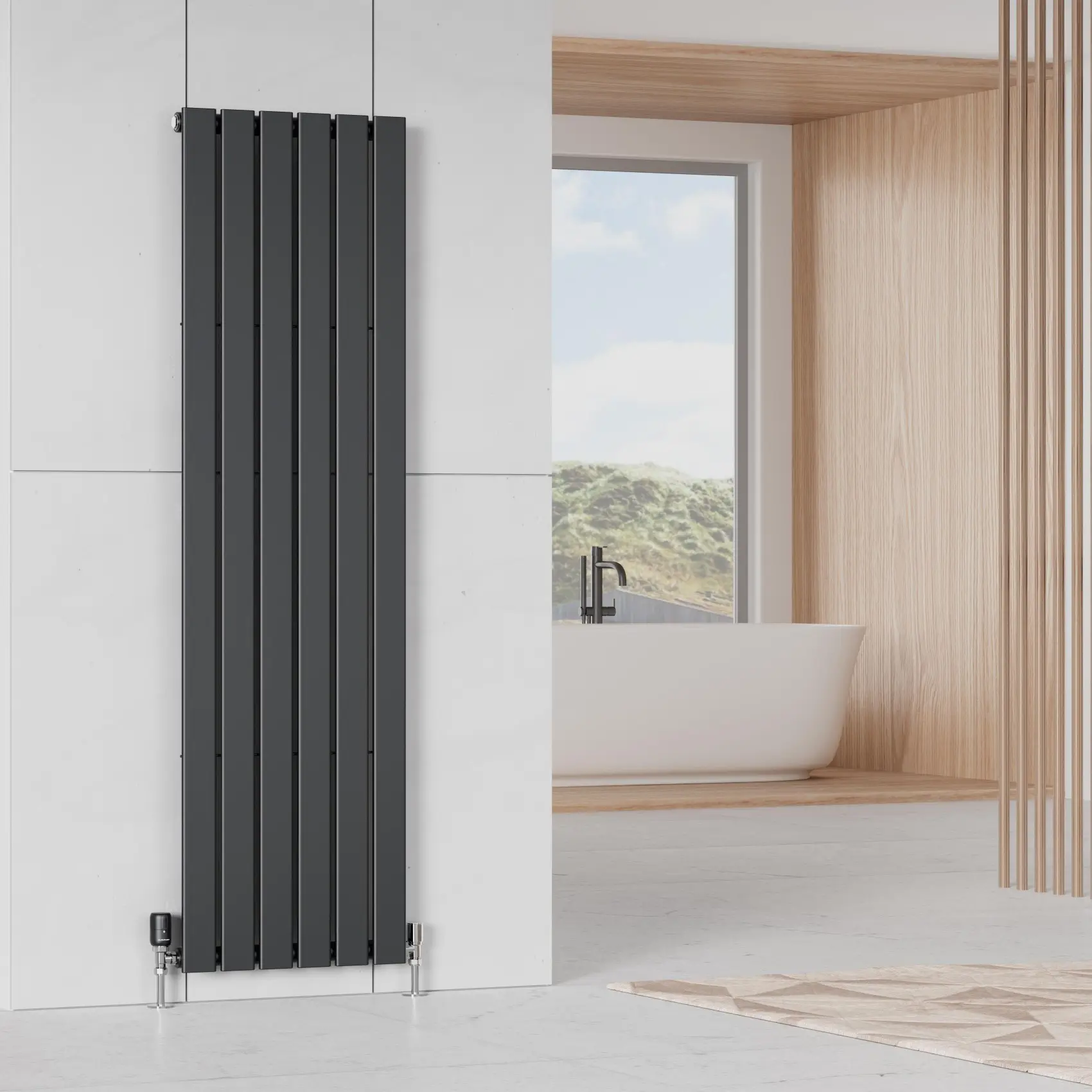
Heating radiators remain one of the most reliable and widely used systems for maintaining comfortable indoor temperatures in residential, commercial, and industrial settings. Despite their proven track record spanning over a century, heating radiators are not immune to operational challenges that can compromise performance, energy efficiency, and occupant comfort. Understanding the most common problems with heating radiators enables property managers, facility engineers, and homeowners to implement preventive maintenance strategies, diagnose issues accurately, and restore optimal function before minor inconveniences escalate into costly repairs or system failures.
The majority of issues affecting heating radiators stem from a combination of age-related deterioration, inadequate maintenance practices, water quality problems, and improper installation or system design. While modern heating radiators incorporate enhanced materials and engineering refinements, traditional cast iron and steel units continue to serve millions of buildings worldwide, each susceptible to characteristic failure modes. This comprehensive exploration examines the technical root causes, practical symptoms, and industry-validated solutions for the most prevalent heating radiator problems, equipping stakeholders with actionable knowledge to maintain system reliability and thermal comfort throughout the heating season.
Air Accumulation and Cold Spot Formation
Mechanism of Air Entrapment in Hydronic Systems
Air accumulation represents one of the most frequent problems encountered with heating radiators, particularly in systems that have undergone recent filling, drainage, or component replacement. When heating radiators operate within closed-loop hydronic systems, dissolved gases naturally separate from the heated water and migrate toward high points in the distribution network. Radiators positioned on upper floors or at the terminal ends of piping runs become natural collection points for these air pockets, which displace water volume and prevent proper heat transfer from the internal surfaces to the surrounding air.
The presence of air within heating radiators manifests as distinct cold zones, typically concentrated in the upper sections of panel radiators or individual columns of cast iron units. These cold spots directly correlate with reduced thermal output, forcing boilers to operate longer cycles to maintain desired room temperatures and consequently increasing energy consumption. The problem intensifies in systems with inadequate automatic air venting devices or infrequent manual bleeding, allowing air volumes to expand over time and progressively diminish radiator effectiveness across multiple heating seasons.
Diagnostic Indicators and Resolution Protocols
Identifying air-related issues in heating radiators requires systematic surface temperature assessment using infrared thermometers or thermal imaging cameras. A properly functioning radiator exhibits uniform temperature distribution from top to bottom, with only minor variations due to convection patterns. Significant temperature differentials exceeding fifteen degrees Celsius between upper and lower sections strongly indicate trapped air requiring immediate attention through manual bleeding procedures using radiator keys or automatic valve activation.
Professional remediation extends beyond simple bleeding to address root causes of chronic air introduction. System operators should verify expansion vessel pre-charge pressure, inspect pump seals for micro-leaks that draw air during operation, and examine makeup water injection points for improper configuration. Installing thermostatic radiator valves with integrated air release functions on problematic heating radiators provides continuous passive venting, while strategic placement of automatic air eliminators at circuit high points prevents system-wide accumulation that disproportionately affects individual units.
Internal Corrosion and Sludge Buildup
Chemical Degradation Pathways in Water-Based Systems
Internal corrosion constitutes a progressive degradation process affecting heating radiators constructed from ferrous metals, particularly in systems lacking proper water treatment protocols. When oxygen-rich water contacts steel or cast iron surfaces, electrochemical reactions generate iron oxide compounds that accumulate as particulate sludge within radiator chambers. This magnetite sludge settles in lower horizontal sections and between internal baffles, gradually restricting water circulation pathways and reducing the effective heat exchange surface area available for thermal transfer to occupied spaces.
The rate of corrosion in heating radiators depends significantly on water chemistry parameters including pH levels, dissolved oxygen content, total dissolved solids, and the presence of chloride ions. Systems filled with untreated tap water experience accelerated corrosion compared to those utilizing deionized water with appropriate corrosion inhibitor concentrations. Geographic variations in municipal water hardness create regional differences in radiator longevity, with soft water areas often experiencing more aggressive corrosion attack due to reduced natural scale protection on internal metal surfaces.
Performance Impact and Remediation Strategies
Sludge accumulation within heating radiators produces characteristic symptoms including reduced lower-section temperatures, increased flow resistance requiring higher pump pressures, and audible gurgling sounds as water navigates restricted passages. Advanced cases may result in complete flow blockage through individual radiators, forcing system water to bypass affected units entirely through parallel circuits. The thermal performance penalty from sludge buildup can reduce radiator output by thirty to fifty percent, creating comfort complaints and excessive energy costs without visible external evidence of the underlying problem.
Effective treatment of corroded heating radiators involves power flushing procedures that circulate cleaning agents through the system under elevated flow velocities, dislodging accumulated deposits and suspending them for removal through drain points. Following mechanical cleaning, proper commissioning requires complete system refill with treated water containing balanced inhibitor packages that establish protective oxide layers on internal surfaces. Regular water quality testing and inhibitor replenishment maintain this protection, extending radiator service life and preserving thermal efficiency throughout the operational lifetime of the heating system.
Valve Failures and Flow Control Issues
Thermostatic and Manual Valve Degradation Modes
Control valves installed on heating radiators serve critical functions for temperature regulation, zone isolation, and hydraulic balancing, yet represent common failure points due to mechanical wear, mineral deposit formation, and thermal cycling stress. Thermostatic radiator valves equipped with wax-element sensors experience calibration drift over extended service periods, causing control hysteresis and failure to maintain setpoint temperatures accurately. Manual isolation valves develop packing leaks around stem seals, while internal gate or ball mechanisms may seize in partially closed positions due to scale accumulation on seating surfaces.
The performance consequences of valve malfunctions on heating radiators extend beyond the affected unit to impact system-wide hydraulic balance. A seized-open thermostatic valve allows uncontrolled flow through its radiator, creating a preferential circuit that starves downstream units of adequate water volume. Conversely, valves stuck in closed positions force excessive flow through parallel radiators, potentially causing noise issues and uneven heat distribution. These hydraulic imbalances increase pump electrical consumption while simultaneously degrading thermal comfort, making valve maintenance essential for overall system efficiency.
Proactive Replacement and Upgrade Considerations
Systematic valve inspection protocols for heating radiators should include annual operation testing through full range cycling, leak detection around packing glands using tissue paper contact methods, and response time verification for thermostatic units. Valves exhibiting stiff operation, visible corrosion products, or control response delays exceeding manufacturer specifications warrant replacement before outright failure occurs. Modern replacement valves incorporate improved materials including DZR brass bodies, EPDM seals rated for high-temperature service, and ceramic disc cartridges that resist mineral fouling better than traditional compression mechanisms.
Strategic valve upgrades on heating radiators provide opportunities to enhance system functionality through smart thermostatic heads with digital displays, remote programming capabilities, and integration with building automation networks. These advanced controllers enable precise temperature scheduling, adaptive learning algorithms that anticipate thermal loads, and real-time performance monitoring that identifies developing problems before occupant comfort suffers. When combined with hydraulic balancing procedures that optimize flow distribution, properly functioning valves transform individual heating radiators into responsive comfort delivery devices rather than passive heat emitters with limited controllability.
Leakage Development and Joint Failures
Common Leak Locations and Initiating Factors
Water leakage from heating radiators typically originates at connection joints, valve interfaces, blanking plugs, or through-wall perforations caused by advanced corrosion. The cyclic thermal expansion and contraction inherent to heating system operation creates repetitive stress on threaded connections and compression fittings, gradually degrading sealant compounds and gasket materials. Cast iron heating radiators assembled from multiple sections prove particularly vulnerable to inter-section joint leaks as graphite-impregnated gaskets deteriorate over decades of service, while welded steel panel radiators may develop pinhole leaks along seam welds subjected to manufacturing quality variations.
External leak manifestation ranges from obvious dripping that produces visible water damage and staining on adjacent surfaces to slow seepage that evaporates during heating cycles without creating noticeable moisture accumulation. These cryptic leaks prove especially problematic because they allow continuous water loss that triggers frequent makeup water addition, introducing fresh oxygen and dissolved minerals that accelerate internal corrosion throughout the entire system. Building managers often overlook gradual drops in system pressure that indicate persistent leakage, attributing pressure loss to air accumulation rather than investigating for mechanical integrity failures in heating radiators.
Repair Techniques and Preventive Maintenance
Addressing leaks in heating radiators requires assessment of whether repair or replacement represents the most cost-effective solution based on unit age, leak severity, and overall system condition. Minor valve packing leaks respond well to gland nut tightening or packing material replacement, while threaded connection weeps may require disassembly, thread cleaning, and reassembly with fresh sealant compound or PTFE tape. Pinhole corrosion leaks in radiator bodies generally indicate advanced internal deterioration warranting complete unit replacement rather than temporary patch repairs that provide limited service life extension.
Preventive strategies for leak avoidance on heating radiators include maintaining proper system pressure to minimize stress on joints, avoiding rapid temperature swings that accelerate thermal cycling fatigue, and implementing water treatment programs that control corrosion mechanisms. Regular visual inspections focusing on valve bodies, connection points, and radiator lower sections where moisture accumulation first appears enable early detection of developing problems. Documenting inspection findings and leak incidents creates maintenance history records that identify problematic heating radiators requiring priority attention during planned system shutdowns for proactive component replacement.
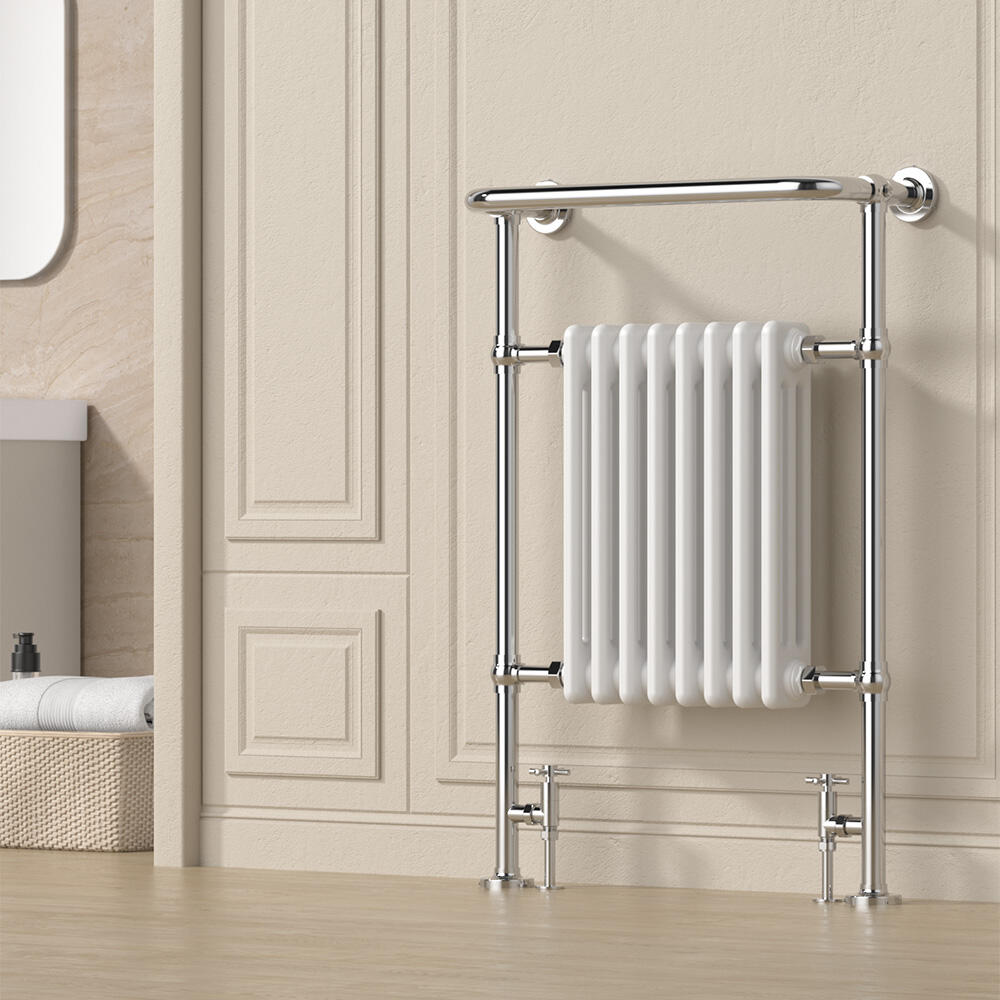
Inadequate Heat Output and Sizing Problems
Thermal Performance Degradation Over Time
Heating radiators may exhibit insufficient heat output due to multiple factors ranging from internal fouling that reduces effective surface area to external obstructions that impede convective airflow. Paint accumulation from repeated redecoration cycles fills the narrow gaps between panel radiator fins, restricting air circulation and diminishing convective heat transfer coefficient. Furniture placement immediately adjacent to heating radiators blocks radiant emission patterns and disrupts natural convection loops, potentially reducing thermal output by twenty to thirty percent compared to unobstructed installation configurations.
Undersizing represents a fundamental design error where selected heating radiators lack sufficient thermal capacity to offset space heat losses under design outdoor temperature conditions. This problem frequently emerges in building retrofit scenarios where improved envelope insulation and window replacement alter heat loss calculations without corresponding radiator evaluation. Conversely, oversized heating radiators may cycle excessively under partial load conditions, causing temperature swings and reduced occupant comfort despite adequate total capacity. Both scenarios require careful heat loss recalculation and radiator selection validation against current building thermal characteristics.
Performance Optimization and System Balancing
Restoring optimal output from heating radiators begins with systematic troubleshooting to distinguish between unit-specific problems and system-level issues affecting multiple emitters. Verifying supply water temperature at the boiler, checking circulation pump operation, and measuring differential pressure across distribution circuits identifies whether inadequate heat stems from radiator problems or central plant deficiencies. Individual radiator assessment includes surface temperature measurement, flow rate verification using ultrasonic meters, and inspection for obstructions both internal and external to the heat exchanger assembly.
Comprehensive system balancing procedures ensure each radiator receives design flow rates through adjustment of lockshield valves based on calculated settings or measured temperature differentials. This hydraulic optimization prevents short-circuiting through low-resistance paths that starves distant heating radiators of adequate flow volume. When original radiator sizing proves inadequate for current heating loads, augmentation strategies include adding supplementary units in series or parallel configurations, upgrading to higher-output radiator styles, or implementing temperature compensation controls that increase supply water temperature during peak demand periods while maintaining acceptable return temperatures for condensing boiler efficiency.
Noise Generation and Acoustic Disturbances
Flow-Induced and Thermal Expansion Sounds
Noise emanating from heating radiators manifests in various forms including clicking, banging, gurgling, and whistling sounds that create occupant annoyance and suggest underlying operational problems. Thermal expansion noises occur when heating radiators warm up or cool down, causing dimensional changes in metal components that produce characteristic clicking or ticking sounds as brackets and mounting hardware accommodate movement. These sounds typically appear during transition periods when system demand changes and prove more pronounced in rigidly mounted units lacking adequate provision for thermal growth accommodation through floating brackets or flexible connections.
Flow-induced noises in heating radiators result from turbulence at partially closed valves, cavitation in undersized piping connections, or water velocity exceeding recommended limits for quiet operation. Whistling sounds indicate excessive pressure drop across thermostatic valve seats or corroded internal passages creating venturi effects. Gurgling noises signal air entrainment in flowing water or steam pocket formation in systems operating near saturation temperature, while banging sounds may indicate water hammer from rapid valve closure or steam condensation shock in two-pipe steam radiator installations.
Acoustic Remediation Techniques
Eliminating noise from heating radiators requires identifying specific sound characteristics and implementing targeted corrective measures. Thermal expansion noises respond to installation modifications including rubber isolation pads between radiators and wall brackets, flexible piping connections at valve interfaces, and ensuring adequate clearance between radiator bodies and adjacent architectural elements. Flow noise reduction involves hydraulic system rebalancing to lower water velocities, replacing undersized valve trim with properly sized components, and installing pressure-independent control valves that maintain stable flow regardless of system pressure fluctuations.
Air-related sounds necessitate thorough bleeding of heating radiators and installation of automatic air vents at strategic high points to prevent accumulation. Systems experiencing persistent gurgling despite proper venting may require pump speed reduction to minimize turbulence and air entrainment at the suction side of circulation equipment. In extreme cases, acoustic analysis using sound level meters and frequency spectrum examination pinpoints problematic radiators and guides installation of vibration isolation measures or replacement with inherently quieter radiator designs featuring optimized internal geometries that promote laminar flow and minimize turbulence-induced noise generation.
FAQ
How often should heating radiators be bled to remove trapped air?
Heating radiators should be bled at the beginning of each heating season as a standard maintenance practice, and additionally whenever cold spots appear on radiator surfaces or room temperatures fail to reach thermostat setpoints despite adequate boiler operation. Systems with chronic air accumulation problems may require monthly bleeding during the heating season, though this frequency suggests underlying issues such as pump seal leaks, improper expansion vessel sizing, or micro-leaks that continuously introduce air into the closed-loop system. Professional evaluation should identify and correct these root causes rather than relying on frequent bleeding as a permanent solution. Automatic air vents installed on problematic heating radiators provide continuous passive venting that eliminates the need for manual intervention while preventing performance degradation from accumulated air pockets.
What causes some heating radiators to remain cold while others work properly?
Individual heating radiators remaining cold while others function normally typically indicates hydraulic imbalance within the distribution system, where path-of-least-resistance flow patterns bypass affected units in favor of lower-resistance circuits. This condition commonly results from improperly adjusted or seized lockshield valves that fail to restrict flow through nearby radiators, allowing excessive water volume through some units while starving others. Additional causes include sludge blockages within specific radiators restricting internal flow passages, closed or malfunctioning thermostatic valves preventing water entry, or air locks creating vapor barriers that prevent circulation. Systematic diagnosis involves checking valve positions, measuring surface temperatures, verifying adequate system pressure, and performing hydraulic balancing procedures that distribute flow proportionally according to each radiator's design heat output requirements.
Can heating radiators be repaired if they develop leaks or should they be replaced?
The decision to repair or replace leaking heating radiators depends on leak location, unit age, overall system condition, and cost-benefit analysis of intervention options. Minor leaks at valve packing glands, compression fittings, or blanking plugs often respond successfully to tightening, seal replacement, or thread resealing with appropriate compounds. However, leaks originating from radiator body corrosion, pinhole perforations, or failed inter-section joints in cast iron units generally indicate advanced deterioration warranting complete replacement rather than temporary repairs. Welding repairs on steel panel heating radiators prove technically feasible but risk damaging internal coatings and may cost more than new unit installation when labor expenses are considered. Modern replacement radiators offer improved efficiency, enhanced aesthetics, and warranty coverage that frequently justify replacement over repair for units exceeding fifteen years of service or showing multiple failure points requiring intervention.
Why do heating radiators sometimes make banging or clicking noises during operation?
Banging and clicking noises from heating radiators stem from either thermal expansion effects or hydraulic phenomena within the system. Clicking sounds typically occur during warm-up and cool-down cycles as metal components expand and contract, causing dimensional changes that produce audible sounds when constrained by rigid mounting brackets or contact with adjacent building elements. Banging noises indicate more serious conditions including water hammer from rapid valve closure, steam condensation shock in systems operating near saturation temperature, or inadequate pipe support allowing movement when flow direction changes. Remediation strategies include installing flexible pipe connections, using floating radiator brackets that accommodate thermal movement, reducing system operating temperatures to increase the margin below saturation, implementing slow-closing valve actuators, and ensuring proper pipe support spacing. Persistent noise problems warrant professional evaluation to identify specific causes and implement appropriate corrective measures that restore quiet operation without compromising heating performance or system reliability.
Table of Contents
- Air Accumulation and Cold Spot Formation
- Internal Corrosion and Sludge Buildup
- Valve Failures and Flow Control Issues
- Leakage Development and Joint Failures
- Inadequate Heat Output and Sizing Problems
- Noise Generation and Acoustic Disturbances
-
FAQ
- How often should heating radiators be bled to remove trapped air?
- What causes some heating radiators to remain cold while others work properly?
- Can heating radiators be repaired if they develop leaks or should they be replaced?
- Why do heating radiators sometimes make banging or clicking noises during operation?