
 EN
EN



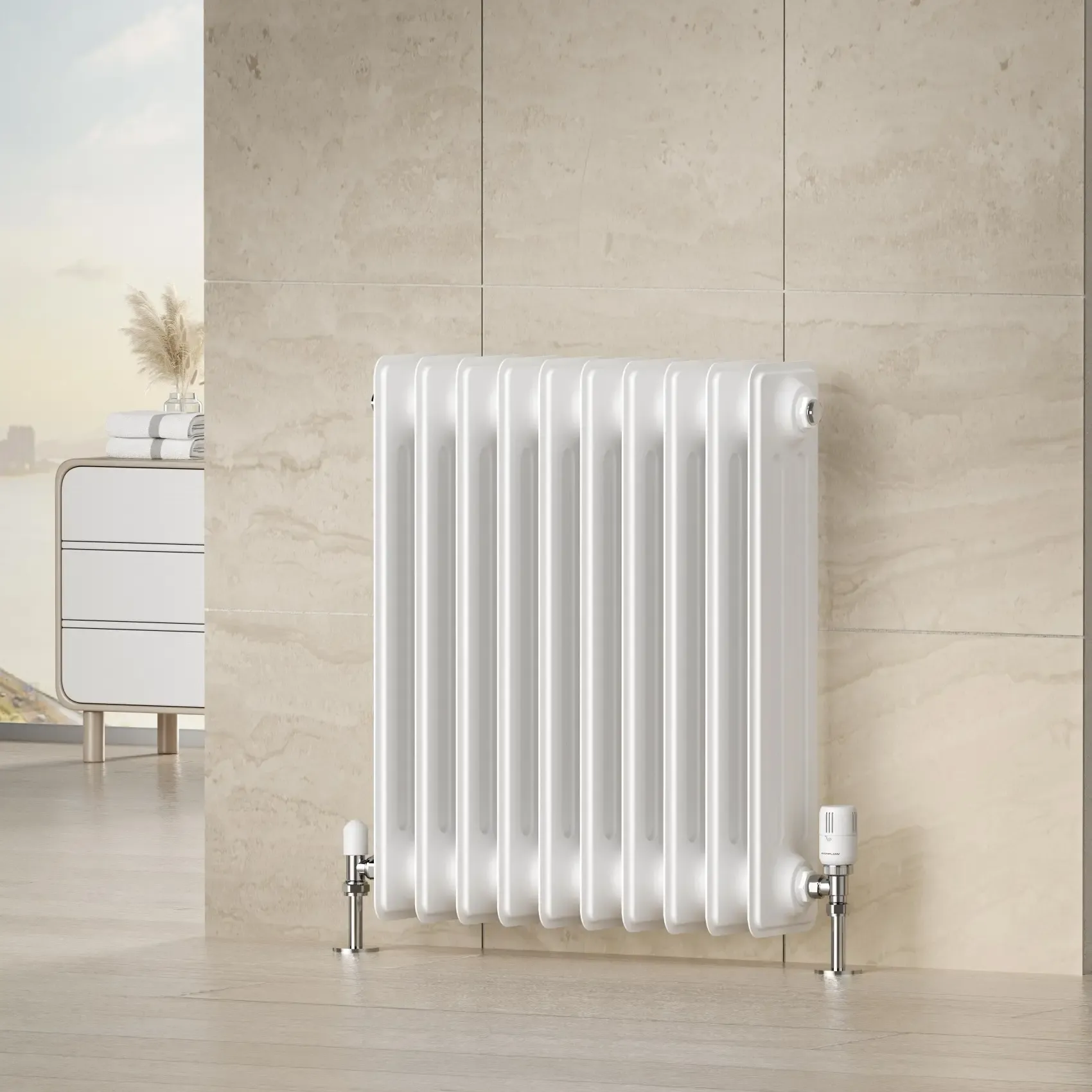
As winter settles in and temperatures drop, homeowners increasingly seek comfort upgrades that transform daily routines into luxurious experiences. Among the most practical yet underappreciated bathroom enhancements stands the heated towel rack, a fixture that delivers both functional benefits and elevated comfort during the coldest months. This winter essential goes beyond simple towel warming, addressing moisture management, energy efficiency, and bathroom hygiene in ways that traditional towel bars simply cannot match. Understanding what makes a heated towel rack indispensable during winter requires examining its multifaceted contributions to home comfort, health, and modern living standards.
The value proposition of installing a heated towel rack becomes particularly evident when examining the specific challenges winter presents to bathroom environments. Cold, damp towels breed bacteria and mildew while creating unpleasant post-shower experiences that undermine daily comfort. Winter amplifies these issues through reduced air circulation, lower ambient temperatures, and increased indoor humidity from closed windows and heating systems. A quality heated towel rack addresses these seasonal challenges systematically, providing consistent warmth that accelerates drying, inhibits microbial growth, and ensures every bathroom visit ends with the comforting embrace of a pre-warmed towel rather than a cold, clammy fabric.
The Transformative Comfort Factor in Cold Weather
Immediate Warmth After Winter Showers
Stepping out of a hot shower into a cold bathroom ranks among winter's most jarring daily experiences, creating thermal shock that diminishes the relaxation shower time should provide. A heated towel rack fundamentally changes this transition by ensuring towels remain at a pleasant temperature throughout the day. The gentle radiant heat maintained by these fixtures means users wrap themselves in warmth rather than cold fabric, extending the comfort of their shower well beyond the bathroom threshold. This seemingly simple upgrade significantly impacts daily quality of life during months when morning routines feel particularly challenging.
The psychological benefits of this consistent warmth extend beyond mere physical comfort. Knowing a warm towel awaits creates anticipation rather than dread around cold-weather bathing, particularly important for families with children or elderly members who may be more sensitive to temperature fluctuations. The heated towel rack transforms a functional bathroom fixture into a source of genuine daily pleasure, elevating routine hygiene into a small luxury that makes winter mornings more bearable and evenings more relaxing.
Enhanced Bathroom Ambient Temperature
Beyond towel warming, a properly sized heated towel rack contributes measurably to overall bathroom temperature, functioning as a supplemental heat source that takes the edge off cold tile and fixtures. While not designed to replace primary heating systems, the consistent radiant warmth from a heated towel rack raises ambient temperature by several degrees, creating a noticeably more comfortable environment. This effect proves particularly valuable in bathrooms with exterior walls, minimal insulation, or tile flooring that remains perpetually cold during winter months.
The thermal contribution becomes especially significant in homes where central heating struggles to adequately warm bathroom spaces or where homeowners prefer keeping overall house temperatures lower for energy conservation. The localized heating provided by a heated towel rack allows for targeted comfort exactly where and when needed, eliminating the wasteful practice of overheating entire homes just to make bathrooms tolerable. This strategic approach to thermal comfort represents intelligent home design that prioritizes efficiency while maintaining the high comfort standards modern families expect throughout winter.
Critical Moisture Management and Hygiene Benefits
Accelerated Drying That Prevents Mildew Growth
Winter's combination of closed windows, reduced ventilation, and increased indoor humidity creates ideal conditions for mildew and bacterial proliferation on damp fabrics. Traditional towel bars allow towels to remain wet for extended periods, particularly in poorly ventilated bathrooms where air circulation cannot adequately support moisture evaporation. A heated towel rack fundamentally alters this equation by providing constant gentle heat that dramatically accelerates drying times, often reducing towel drying periods from hours to minutes depending on ambient conditions and rack temperature settings.
This rapid drying capability directly impacts household hygiene by preventing the musty odors and microbial growth associated with persistently damp towels. Medical research consistently demonstrates that warm, moist environments promote bacterial multiplication, making traditional towel storage methods during winter months a potential health concern, particularly for households with immunocompromised members or individuals with respiratory sensitivities. The consistent heat from a heated towel rack maintains towel fabrics in a dry, inhospitable state for microbial colonization, ensuring every use begins with genuinely clean, fresh-smelling textiles rather than towels that merely appear clean while harboring invisible contaminants.
Reduced Laundry Frequency and Extended Towel Lifespan
The enhanced drying provided by a heated towel rack allows towels to be used multiple times between washings without developing the characteristic mildew smell that typically necessitates frequent laundering. This extended usability translates directly into reduced water consumption, lower energy bills from fewer washer and dryer cycles, and decreased wear on towel fibers from repeated washing. Over a typical winter season, households with heated towel racks often report laundry reductions of twenty to thirty percent specifically related to towel washing, representing substantial savings in both utility costs and household labor.
Beyond immediate cost savings, the gentler drying environment provided by a heated towel rack extends overall towel lifespan by reducing the mechanical stress and chemical exposure associated with frequent machine washing. Towels dried on a heated towel rack maintain their original texture, absorbency, and color vibrancy significantly longer than those subjected to repeated high-heat tumble drying. This preservation of textile quality means fewer replacement purchases over time, making the heated towel rack investment increasingly cost-effective as years pass and the cumulative savings from extended towel longevity become apparent.
Energy Efficiency and Operational Economy
Low Power Consumption Compared to Alternative Heating
Modern heated towel rack designs prioritize energy efficiency, typically consuming between fifty and two hundred watts depending on size and heating technology employed. This modest power draw compares extremely favorably to space heaters or the incremental cost of raising whole-house heating systems to achieve similar bathroom comfort levels. When evaluated on a cost-per-comfort-unit basis, a heated towel rack represents one of the most economical heating solutions available, delivering targeted warmth exactly where needed without the wasteful energy distribution inherent in whole-room or whole-house heating adjustments.
The operational costs associated with running a heated towel rack throughout winter typically range from just a few dollars to perhaps fifteen dollars monthly, depending on local electricity rates and usage patterns. This minimal expense delivers disproportionate value when weighed against the comfort improvements, hygiene benefits, and laundry savings the fixture provides. Many homeowners discover that reduced towel washing alone offsets the electrical costs of operating their heated towel rack, making the upgrade essentially cost-neutral from a pure utility perspective while delivering significant quality-of-life enhancements that justify any marginal expense.
Smart Controls and Programmable Operation
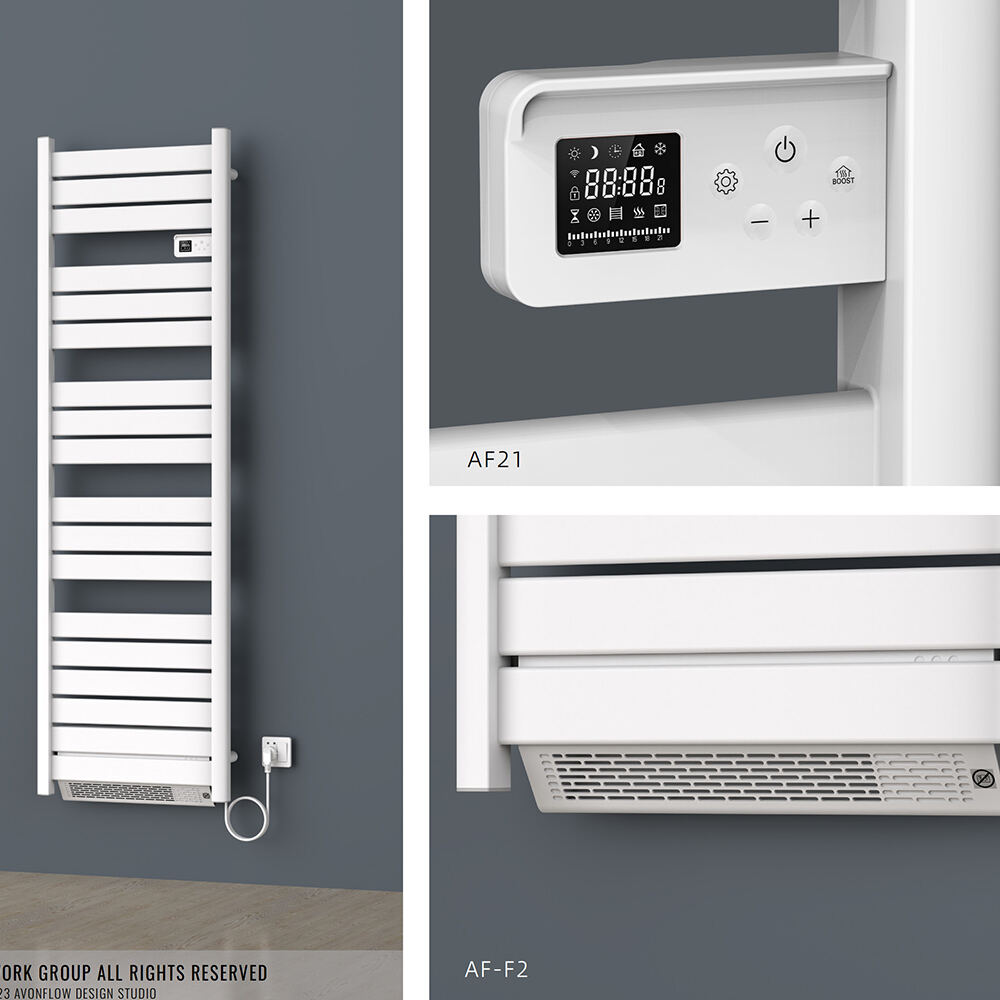
Contemporary heated towel rack models increasingly incorporate intelligent controls that optimize energy consumption while maintaining consistent comfort. Programmable timers allow users to activate heating only during periods when bathrooms see actual use, ensuring towels reach ideal temperature for morning showers and evening baths without maintaining unnecessary heat overnight or during work hours when homes stand empty. These scheduling capabilities can reduce energy consumption by forty to sixty percent compared to continuous operation while still guaranteeing warm towels whenever residents actually need them.
Advanced models feature thermostat controls that maintain precise temperature ranges, preventing energy waste from excessive heating while ensuring adequate warmth for effective towel drying and user comfort. Some premium heated towel rack systems integrate with whole-home automation platforms, enabling remote control via smartphone applications and coordination with other smart home systems for optimized energy management. These technological enhancements transform the heated towel rack from a simple fixture into an intelligent component of comprehensive home comfort systems, delivering maximum benefit with minimal resource consumption through thoughtful automation and user-responsive operation.
Design Integration and Aesthetic Enhancement
Modern Styling That Elevates Bathroom Appearance
Contemporary heated towel rack designs transcend purely functional considerations, offering sculptural visual appeal that enhances overall bathroom aesthetics. Available in diverse finishes including polished chrome, brushed nickel, matte black, and oil-rubbed bronze, these fixtures complement virtually any design scheme from traditional to ultramodern. The vertical bar configurations characteristic of heated towel rack construction create strong visual lines that add architectural interest to bathroom walls while providing practical hanging space for multiple towels, robes, and other textiles.
The aesthetic contribution of a well-chosen heated towel rack extends beyond the fixture itself to influence overall bathroom atmosphere. The neat, organized towel presentation enabled by dedicated rack space eliminates the cluttered appearance of towels draped over shower doors or stuffed onto inadequate conventional towel bars. This visual organization creates a spa-like environment that enhances perceived bathroom quality, making daily routines feel more refined and intentional. For homeowners considering bathroom upgrades or preparing homes for sale, a heated towel rack represents a relatively modest investment that delivers outsized impact on overall bathroom presentation and perceived home value.
Space Optimization in Compact Bathrooms
In smaller bathrooms where space comes at a premium, the vertical orientation of most heated towel rack designs provides efficient storage that maximizes wall space utilization. Unlike traditional towel bars that extend horizontally and consume valuable wall length, heated towel racks build upward, often accommodating four to six towels in the same wall footprint a conventional bar uses for one or two. This vertical efficiency proves particularly valuable in powder rooms, guest bathrooms, and en-suite installations where every square inch matters and multifunctional fixtures deliver disproportionate value.
The space-saving characteristics of a heated towel rack become even more apparent when considering the fixture eliminates need for separate towel storage furniture or linen closets dedicated solely to bathroom textiles. With towels constantly warming and drying on the rack itself, households can reduce or eliminate other towel storage, freeing bathroom and hallway space for alternative uses. This consolidation of towel warming, drying, and storage into a single elegant fixture represents the kind of intelligent design integration that characterizes truly well-planned modern homes where every element serves multiple purposes without compromising aesthetic quality or functional performance.
Installation Versatility and Retrofit Compatibility
Electric and Hydronic Configuration Options
Heated towel racks come in two primary technology variants, each offering distinct advantages depending on home infrastructure and installation context. Electric models plug into standard outlets or connect via hardwired circuits, requiring only electrical access and appropriate wall mounting support. This electrical simplicity makes retrofitting existing bathrooms straightforward, with installation typically completable in under two hours by competent DIY enthusiasts or professional electricians. The independence from plumbing systems means electric heated towel racks can be positioned anywhere in the bathroom based purely on convenience and aesthetic preference rather than proximity to water lines.
Hydronic heated towel racks connect directly to home hot water or radiant heating systems, circulating heated fluid through internal channels to warm towel bars. While requiring more complex installation involving plumbing connections, hydronic models offer advantages in homes with existing radiant heating infrastructure or during comprehensive bathroom renovations where plumbing work is already planned. The operating costs for hydronic heated towel racks often run lower than electric equivalents since they leverage existing heating systems rather than dedicated electrical circuits, though this advantage varies based on specific home heating configurations and local utility rate structures.
Hardwired Versus Plug-In Installation Considerations
Within the electric heated towel rack category, users choose between hardwired models that integrate permanently into home electrical systems and plug-in variants that connect via standard outlets. Hardwired installations present cleaner aesthetics without visible cords, typically required by building codes in new construction or major renovations where concealed wiring proves feasible. These permanent installations add to home value as integrated fixtures rather than removable accessories, appealing to homeowners planning long-term residence or preparing properties for premium-market sale.
Plug-in heated towel rack models offer installation flexibility particularly valuable in rental properties, condominiums with restrictive renovation policies, or situations where homeowners prefer avoiding permanent modifications. The ability to simply mount the rack and plug it in eliminates permitting requirements, reduces installation costs, and allows the fixture to move with owners during relocations. Modern plug-in designs increasingly incorporate cord management systems that minimize visual impact, delivering aesthetics approaching hardwired installations while maintaining the flexibility and installation simplicity that makes heated towel racks accessible to virtually any homeowner regardless of renovation budget or technical skill.
FAQ
How much does it cost to operate a heated towel rack throughout winter?
Operating costs for a heated towel rack during winter typically range from five to fifteen dollars monthly depending on model wattage, local electricity rates, and usage patterns. Most standard residential units consume between seventy-five and one hundred fifty watts, translating to approximately two to four dollars monthly if run continuously. Using programmable timers to activate heating only during peak bathroom usage hours can reduce costs by half or more while maintaining full comfort benefits. When factoring in reduced laundry expenses from extended towel usage between washings, many households find their heated towel rack operates at near-neutral cost while delivering significant quality-of-life improvements.
Can a heated towel rack provide enough warmth for an entire bathroom?
While not designed as primary heating sources, heated towel racks do contribute measurably to bathroom ambient temperature, typically raising overall room temperature by two to four degrees depending on bathroom size, insulation quality, and rack heat output. In small to medium bathrooms with adequate insulation, this supplemental heating often proves sufficient to maintain comfortable conditions without additional heat sources. Larger bathrooms or those with significant heat loss through windows and exterior walls generally require dedicated heating systems, though a heated towel rack still provides valuable localized warmth around the fixture area and eliminates the cold shock of touching frozen towel bars and fixtures common in inadequately heated spaces.
Do heated towel racks work effectively with thick bath towels?
Quality heated towel racks effectively warm and dry towels of all thicknesses, though drying times naturally vary based on fabric weight and density. Thick, plush bath towels may require four to six hours to dry completely compared to two to three hours for standard-weight towels, but the consistent gentle heat ensures even heavy textiles dry thoroughly without developing mildew odors. For optimal performance with thick towels, ensure adequate spacing between hung items to allow air circulation around all fabric surfaces, and consider models with higher wattage output or larger bar configurations that provide more direct contact surface area for dense, absorbent fabrics commonly preferred for luxury bathroom experiences.
Is professional installation required for heated towel racks?
Installation requirements vary based on heated towel rack type and local building codes. Plug-in electric models require only secure wall mounting using provided hardware, making them accessible to most DIY enthusiasts with basic tools and skills. Hardwired electric installations typically require licensed electrician services to ensure code compliance and electrical safety, particularly in jurisdictions with strict permitting requirements. Hydronic models connecting to home plumbing systems generally necessitate professional installation by qualified plumbers familiar with radiant heating integration. While professional installation adds upfront cost, it ensures proper operation, maintains warranty coverage, and provides peace of mind regarding electrical and plumbing safety considerations critical in bathroom environments.