
 EN
EN



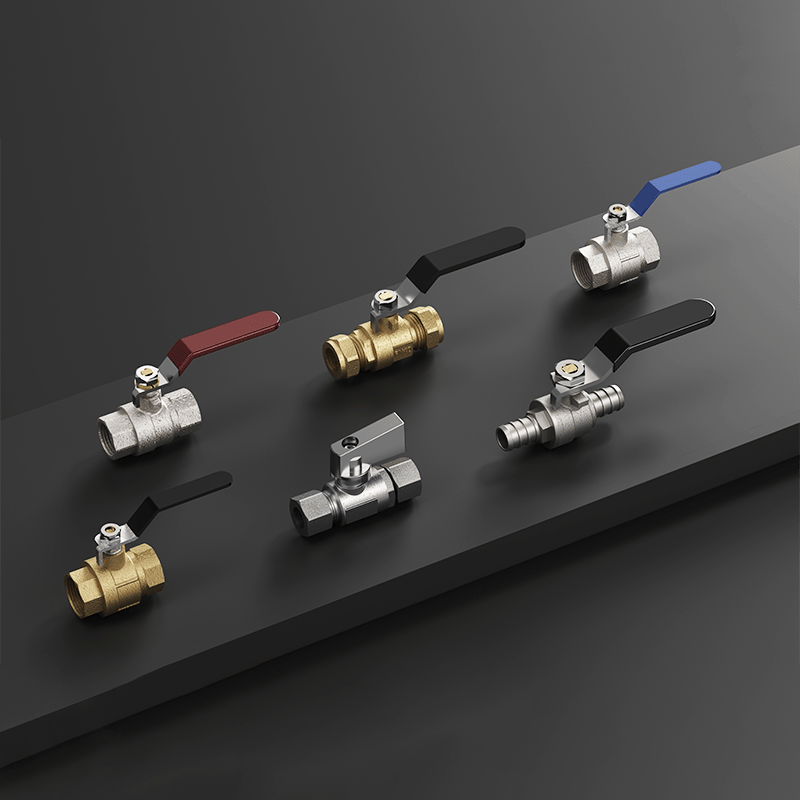
Brass ball valves represent a cornerstone of reliable plumbing and heating system design, delivering exceptional durability and performance across residential, commercial, and industrial applications. These precision-engineered components have earned their reputation as the preferred choice among engineers, contractors, and facility managers who demand long-term reliability in demanding environments. The unique properties of brass, combined with the proven ball valve mechanism, create a solution that withstands corrosion, thermal cycling, and high-pressure conditions while maintaining consistent flow control throughout decades of service.
The strategic selection of a brass ball valve for heating and plumbing systems directly impacts system longevity, maintenance costs, and operational reliability. Unlike alternative materials that may suffer from galvanic corrosion, thermal expansion issues, or premature failure under cycling loads, brass ball valves deliver consistent performance metrics that justify their initial investment through reduced lifecycle costs. Understanding the specific advantages that make brass ball valves the durable choice for these critical applications enables informed decision-making for both new installations and system upgrades.
Material Properties That Drive Durability
Corrosion Resistance in Water Systems
The corrosion resistance of a brass ball valve stems from the natural protective properties of brass alloy, which forms a stable oxide layer when exposed to water and atmospheric conditions. This passive layer prevents further oxidation and maintains the structural integrity of the valve body even in challenging water chemistry conditions. Unlike ferrous materials that experience progressive rust damage, brass maintains its mechanical properties and sealing capabilities throughout extended exposure to chlorinated water, hard water minerals, and typical plumbing system additives.
Dezincification resistance represents another critical advantage of quality brass ball valve construction, particularly in hot water applications where selective leaching of zinc could compromise material integrity. Modern brass alloys used in professional-grade valves incorporate controlled lead content and optimized copper-to-zinc ratios that minimize dezincification risk while maintaining excellent machinability and strength characteristics. This metallurgical engineering ensures that the brass ball valve maintains reliable performance even in aggressive water conditions that might compromise alternative materials.
Thermal Stability Across Operating Ranges
Thermal conductivity and expansion characteristics of brass provide significant advantages in heating system applications where temperature fluctuations are routine. A brass ball valve exhibits predictable thermal behavior that prevents binding, leakage, or premature wear during thermal cycling events common in hydronic heating, steam systems, and domestic hot water distribution. The coefficient of thermal expansion for brass closely matches that of copper piping, reducing stress concentrations at threaded connections and soldered joints.
High-temperature performance of brass ball valves extends to applications approaching 400°F in specific configurations, making them suitable for commercial boiler systems, industrial process heating, and high-temperature plumbing applications. The stable metallurgical structure maintains sealing force and operational torque characteristics across this temperature range, ensuring that the brass ball valve delivers consistent shutoff performance regardless of system operating conditions.
Mechanical Design Advantages
Ball Valve Operating Mechanism
The quarter-turn operation of a brass ball valve provides mechanical advantages that translate directly into durability benefits for heating and plumbing installations. The spherical closure element moves through a 90-degree arc to transition from fully open to fully closed, minimizing wear surfaces and reducing the potential for mechanical failure compared to multi-turn valve designs. This operating principle eliminates the threaded stem wear, gate binding, and seat erosion issues that commonly affect alternative valve types in cycling service.
Torque requirements for brass ball valve operation remain consistently low throughout the service life, enabling reliable manual operation even after years of installation. The ball surface contacts the seat material only during the final degrees of closure, reducing friction wear and maintaining smooth operation characteristics. This design principle ensures that maintenance personnel can easily operate the brass ball valve during system service, emergency shutoff situations, or routine maintenance procedures without requiring specialized tools or excessive force.
Sealing Technology and Seat Materials
Advanced seat materials in brass ball valve construction utilize engineered polymers that maintain sealing integrity across wide temperature ranges while resisting chemical attack from water treatment additives. PTFE and modified PTFE seat designs provide bubble-tight shutoff performance while accommodating thermal expansion and minor system debris that might compromise other sealing technologies. The self-energizing seat design maintains contact pressure between the ball and seat surfaces without requiring external force or adjustment.
Stem sealing systems in quality brass ball valve designs incorporate multiple sealing elements that provide redundant protection against external leakage while maintaining low operating torque. O-ring seals, packing arrangements, and integrated backup sealing systems ensure that the valve stem penetration remains leak-free throughout extended service cycles. These engineered sealing solutions accommodate the thermal movement and pressure variations typical in heating and plumbing applications without compromising performance.
Application-Specific Performance Benefits
Heating System Integration
Integration of brass ball valves into hydronic heating systems provides zone control, isolation, and balancing capabilities that optimize system efficiency and occupant comfort. The full-bore design of many brass ball valve configurations minimizes pressure drop when fully open, reducing pumping energy requirements and maintaining design flow rates throughout the distribution system. The rapid shutoff capability enables precise zone control and emergency isolation without water hammer or system disruption.
Compatibility with glycol-based heat transfer fluids makes brass ball valves suitable for freeze-protected heating systems, solar thermal installations, and industrial process applications. The chemical resistance of brass and advanced seat materials prevents degradation when exposed to propylene glycol, ethylene glycol, and corrosion inhibitor packages commonly used in closed-loop heating systems. This compatibility ensures long-term reliability in applications where alternative valve materials might experience premature failure or performance degradation.
Plumbing System Reliability
Water supply distribution benefits from brass ball valve installation through improved flow control, reduced maintenance requirements, and enhanced system reliability. The smooth bore characteristics when fully open maintain water velocity and prevent sediment accumulation that could affect downstream fixtures or appliances. The positive shutoff capability enables fixture isolation, repair work, and system maintenance without affecting other building zones or requiring complete system shutdown.
Potable water applications particularly benefit from the lead-free brass formulations used in modern brass ball valve construction, ensuring compliance with drinking water regulations while maintaining the durability advantages of brass alloy. NSF certification and compliance with plumbing code requirements make brass ball valves suitable for all potable water applications from residential service to commercial food service installations. The antimicrobial properties of copper-based alloys provide additional protection against bacterial growth in water system dead legs or low-flow conditions.
Installation and Maintenance Considerations
Connection Methods and Compatibility
Threaded connections represent the most common installation method for brass ball valves in heating and plumbing applications, providing reliable mechanical connection with standard pipe thread configurations. NPT, BSP, and metric thread options ensure compatibility with regional plumbing standards while maintaining the sealing integrity required for pressure applications. Thread engagement specifications and torque requirements follow established plumbing practices that prevent over-tightening damage while ensuring leak-free installation.
Soldered and compression fitting options extend brass ball valve applicability to copper tube systems where threaded connections might not be practical or preferred. Sweat end configurations integrate directly with copper piping systems using standard soldering techniques, while compression end designs enable field installation without special tools or heat application. These connection versatility options make brass ball valve installation compatible with existing system configurations and preferred installation practices.
Service Life and Maintenance Requirements
Expected service life for quality brass ball valves in typical heating and plumbing applications extends beyond 20 years with minimal maintenance requirements when properly installed and operated within design parameters. The robust construction and corrosion-resistant materials eliminate the routine replacement needs associated with alternative valve types, reducing long-term maintenance costs and system downtime. Regular operation cycling and visual inspection represent the primary maintenance requirements for sustained brass ball valve performance.
Troubleshooting procedures for brass ball valve issues typically involve straightforward diagnostic steps that can be performed by qualified maintenance personnel without specialized training or equipment. Common performance issues such as increased operating torque, minor external leakage, or incomplete shutoff can often be resolved through component replacement or adjustment procedures that restore full functionality. The modular design of many brass ball valve configurations enables component-level service without complete valve replacement, further extending service life and reducing maintenance costs.
FAQ
How long do brass ball valves typically last in heating and plumbing systems?
Brass ball valves typically provide 20-30 years of reliable service in standard heating and plumbing applications when properly installed and maintained. The corrosion-resistant properties of brass alloy and robust ball valve mechanism contribute to this extended service life, making them a cost-effective long-term solution compared to alternative valve types that may require more frequent replacement.
What temperature range can brass ball valves handle in heating applications?
Standard brass ball valves can safely operate in temperatures ranging from freezing up to 400°F, covering the requirements of most residential and commercial heating systems. Specialized high-temperature configurations can handle even higher temperatures, while the thermal stability of brass prevents binding or performance degradation during normal thermal cycling in hydronic heating systems.
Are brass ball valves suitable for potable water applications?
Modern lead-free brass ball valves are specifically designed for potable water applications and meet all current drinking water safety regulations. NSF certification ensures compliance with health standards, while the antimicrobial properties of copper-based brass alloys provide additional protection against bacterial growth in water distribution systems.
What maintenance is required to keep brass ball valves operating properly?
Brass ball valves require minimal maintenance beyond periodic operation cycling to prevent seat sticking and visual inspection for external leakage. The robust construction and corrosion-resistant materials eliminate most routine maintenance needs, though occasional lubrication of stem threads and replacement of packing materials may be needed after many years of service in demanding applications.