
 EN



Radiators vs. Other Heating Solutions
A home can feel cold even when the heating is switched on. Sometimes the problem is the system itself; in other cases, poor insulation, unsuitable controls or incorrectly sized equipment are to blame.
When comparing radiators with other heating solutions, it helps to look beyond the purchase price. Installation disruption, room layout, energy use and the way a household lives all influence the final decision.
Radiators remain a practical choice for many homes, while underfloor heating, heat pumps and electric heaters offer alternatives for different situations. Here is what to consider before choosing.
What Makes Each Heating System Different?
Radiators: A Practical Choice for Everyday Heating
Radiators transfer heat from hot water or an electric element into the surrounding room. In properties with existing central heating, replacing an old unit can be more straightforward than installing an entirely new system.
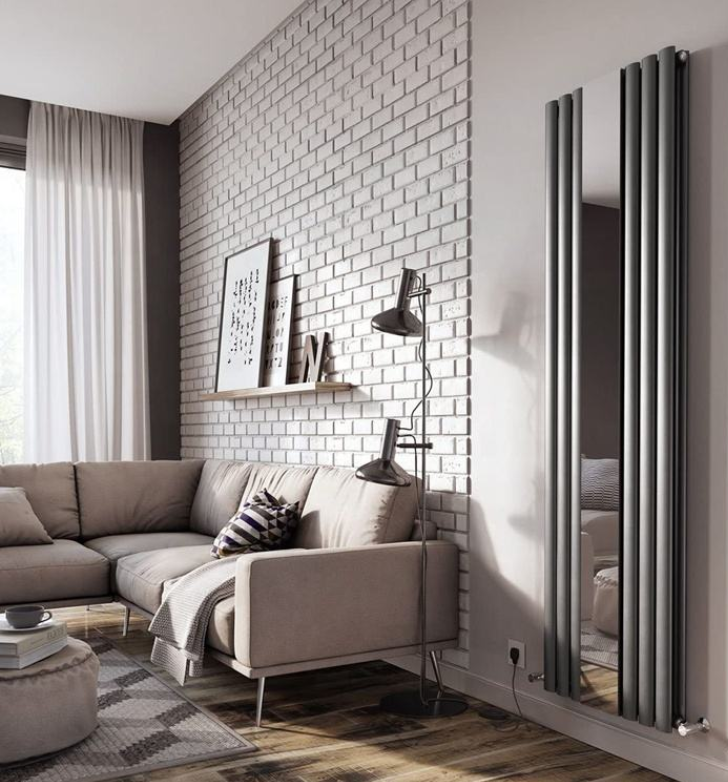
Design is another advantage. Horizontal models fit conventional wall spaces, while vertical radiators can work well in narrow rooms or alongside windows. Single-panel and double-panel designs offer different combinations of size and heat output.
The important detail is correct sizing. A radiator must supply enough heat to offset the room's heat loss. Window area, insulation, ceiling height and outside temperatures all affect the calculation.
For homeowners updating one room rather than undertaking a full renovation, a new radiator may offer a useful balance between performance, installation work and cost.
Underfloor Heating: More Freedom With Room Layout
Underfloor heating distributes warmth through the floor rather than relying on wall-mounted units. The result is a warm floor surface and fewer restrictions when arranging furniture.
It is worth considering during a new build or major renovation, when flooring is already part of the project. Water-based systems can also pair well with a suitably designed heat pump installation.
However, installation in a finished home may involve lifting floors and altering floor levels. The system can also take longer to respond to changes in temperature, depending on its construction and controls.
If you are keeping the existing flooring, the extra work may outweigh the benefits. If the floors are already being replaced, the decision becomes easier to explore.
Heat Pumps: Consider the Whole System
Heat pumps extract heat from outdoor air or the ground and transfer it indoors. Because they move heat rather than relying only on direct electrical resistance, they can deliver more heat energy than the electricity they consume under suitable operating conditions.
They can work with radiators, underfloor heating or a combination of both. The result depends on the building's heat demand, the system's design and the temperature required from the heating emitters.
Some older properties may need larger radiators or improved insulation to achieve comfortable temperatures efficiently. Replacing every radiator is not automatically necessary, but a professional assessment is worthwhile before making a decision.
Electric Heaters: Useful for Specific Spaces
Electric panel heaters and electric radiators are often considered for extensions, home offices, occasional-use rooms or properties without central heating.
Their main attraction is straightforward installation and independent control. You can heat a particular room without modifying a whole-house water system.
The trade-off is operating cost. Direct electric heating can be expensive where electricity tariffs are high or the heater runs for long periods. Compare the power rating, expected usage and local tariff before deciding.
What Do Homeowners Say About Radiators and Underfloor Heating?
Comfort Can Matter More Than the Equipment
Homeowners often judge a heating system by how a room feels rather than by its technical specification alone.
In a discussion on Reddit's r/DIYUK, one homeowner described the difference after installing underfloor heating during a renovation:
“feels like a much more 'even' heat than when you have radiators”
Source: Reddit — Underfloor heating.
The comment highlights a perceived benefit: warmth that feels more evenly distributed across the room. It is an individual experience, not proof that underfloor heating always performs better. Insulation, floor construction, radiator sizing and system controls all matter.
Renovation Constraints Can Change the Answer
Another homeowner in the same discussion explained why the property itself should guide the decision:
“The main issue is insulation.”
Source: Reddit — Underfloor heating discussion.
The wider discussion touches on insulation, flooring and installation choices. These practical details are easy to overlook when comparing products online.
The lesson is simple: do not choose a heating system based on popularity alone. First understand the property, then compare solutions with an installer who can assess the actual requirements.
Which Option Suits Your Household?
Busy Professionals and Compact Homes
If you want predictable room heating without a major renovation, radiators may be the more convenient option. A vertical radiator can also make good use of a narrow wall in a hallway, bedroom or home office.
Thermostatic radiator valves (TRVs) allow individual radiators to be adjusted, while programmable controls can help match heating schedules to working hours.
For smaller homes, the best option is not necessarily the smallest unit. It is the one that meets the room's heat requirement without wasting valuable space.
Families With Children or Older Relatives
Comfort and ease of use deserve extra attention in a busy family home. Consider whether bedrooms and bathrooms warm up adequately, whether controls are easy to operate, and whether the system can maintain a comfortable temperature during colder weather.
Underfloor heating offers a warm floor surface. Radiators can provide accessible, room-by-room heating and may be simpler to upgrade in an existing property. Either can work well when properly specified.
New Builds and Renovation Projects
For a new build, the heating system can be planned alongside insulation, flooring and energy requirements. Underfloor heating or a heat pump may therefore be easier to integrate from the beginning.
In an older home where flooring and pipework are staying in place, replacing or upgrading radiators may involve less disruption.
There is no need to treat these choices as mutually exclusive. Some homes use underfloor heating downstairs and radiators upstairs, depending on construction and room requirements.
How to Compare Cost, Efficiency and Installation
Before making a decision, consider six practical questions:
Installation: Will the project involve new pipework, electrical work or lifting floors?
Running cost: What are the local energy tariffs, and how many hours will the system operate?
Heat output: Has the room's heat requirement been calculated?
Insulation: Could better insulation reduce the amount of heat needed?
Controls: Can you set different temperatures or schedules for individual rooms?
Maintenance: How easy will it be to inspect, repair or replace components?
A lower purchase price does not necessarily mean lower lifetime cost. Equally, a more advanced system does not guarantee savings in every property. The building, installation quality and how the heating is used all influence the outcome.
Choosing the Right Radiator Design
Once you have decided that radiators suit your home, the next step is matching the design to the available space and required heat output.
Horizontal radiators are a familiar choice for rooms with suitable wall space. Vertical models can free up a wider section of wall, which may be useful in narrow rooms or modern interiors.
Single-panel and double-panel options offer different dimensions and heat-output characteristics. The correct choice should be based on the manufacturer's technical data and the room's heating requirement, rather than appearance alone.
Avonflow offers horizontal and vertical radiators, including single-panel and double-panel designs, for different layouts and project needs. For distributors, bathroom brands and project buyers, having several configurations available can help when specifying products for different markets.
Frequently Asked Questions
Are radiators better than underfloor heating?
Neither is universally better. Radiators can be easier to replace or retrofit, while underfloor heating frees wall space and can provide a comfortable floor surface. The right choice depends on the building and project scope.
Can radiators work with a heat pump?
Yes. Radiators can be used with heat pumps when the system is correctly designed. Some properties may need larger emitters, improved insulation or adjustments to operating temperatures.
Is electric heating expensive?
It can be, depending on electricity prices, the heater's power rating and how long it operates. Compare expected usage with local tariffs before purchasing.
What should I choose for a small home?
Radiators may suit homes where simple installation and room-by-room control are priorities. Underfloor heating may be attractive during a floor renovation. Compare both against the available space and the property's heat demand.
Final Thoughts
The right heating system is not always the newest or most expensive one. It is the option that fits the property, the budget and the household's daily routine.
Radiators remain a flexible choice for many homes, while underfloor heating and heat pumps can offer advantages when the building and system design support them. Electric heaters also have a place in specific rooms and applications.
Start with insulation, room size and heat demand. Then consider installation work, energy prices and controls. A well-matched system will do more for everyday comfort than choosing a product simply because it is popular.
Table of Contents
- Radiators vs. Other Heating Solutions
- What Makes Each Heating System Different?
- What Do Homeowners Say About Radiators and Underfloor Heating?
- Which Option Suits Your Household?
- How to Compare Cost, Efficiency and Installation
- Choosing the Right Radiator Design
- Frequently Asked Questions
- Final Thoughts