
 EN
EN



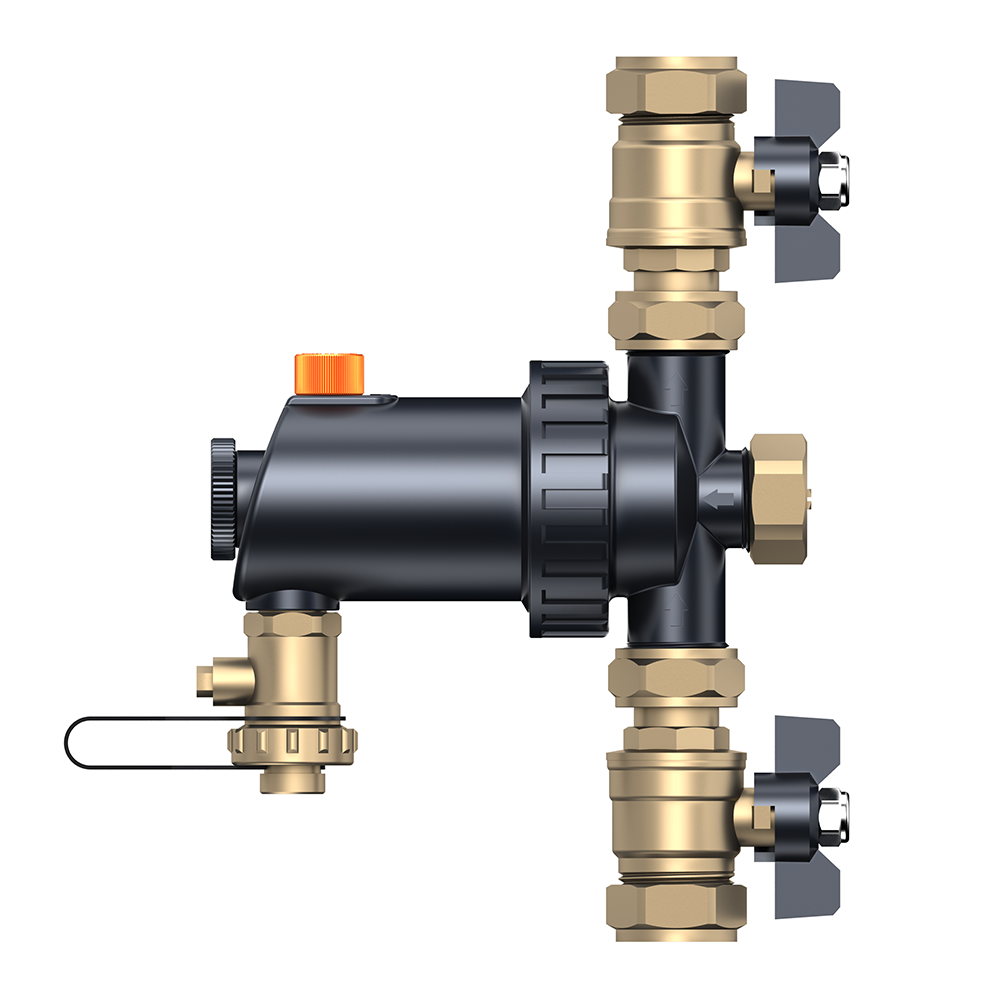
A boiler magnetic filter serves as a critical protective component that safeguards heating systems from the damaging effects of metal particles, sludge, and debris circulating through the pipework. These specialized filtration devices use powerful magnetic forces to capture ferrous contaminants before they can accumulate in vital system components, preventing costly breakdowns and maintaining optimal heating performance. Understanding how a boiler magnetic filter operates and protects your heating infrastructure is essential for property managers, facility engineers, and heating professionals seeking to maximize system longevity and efficiency.
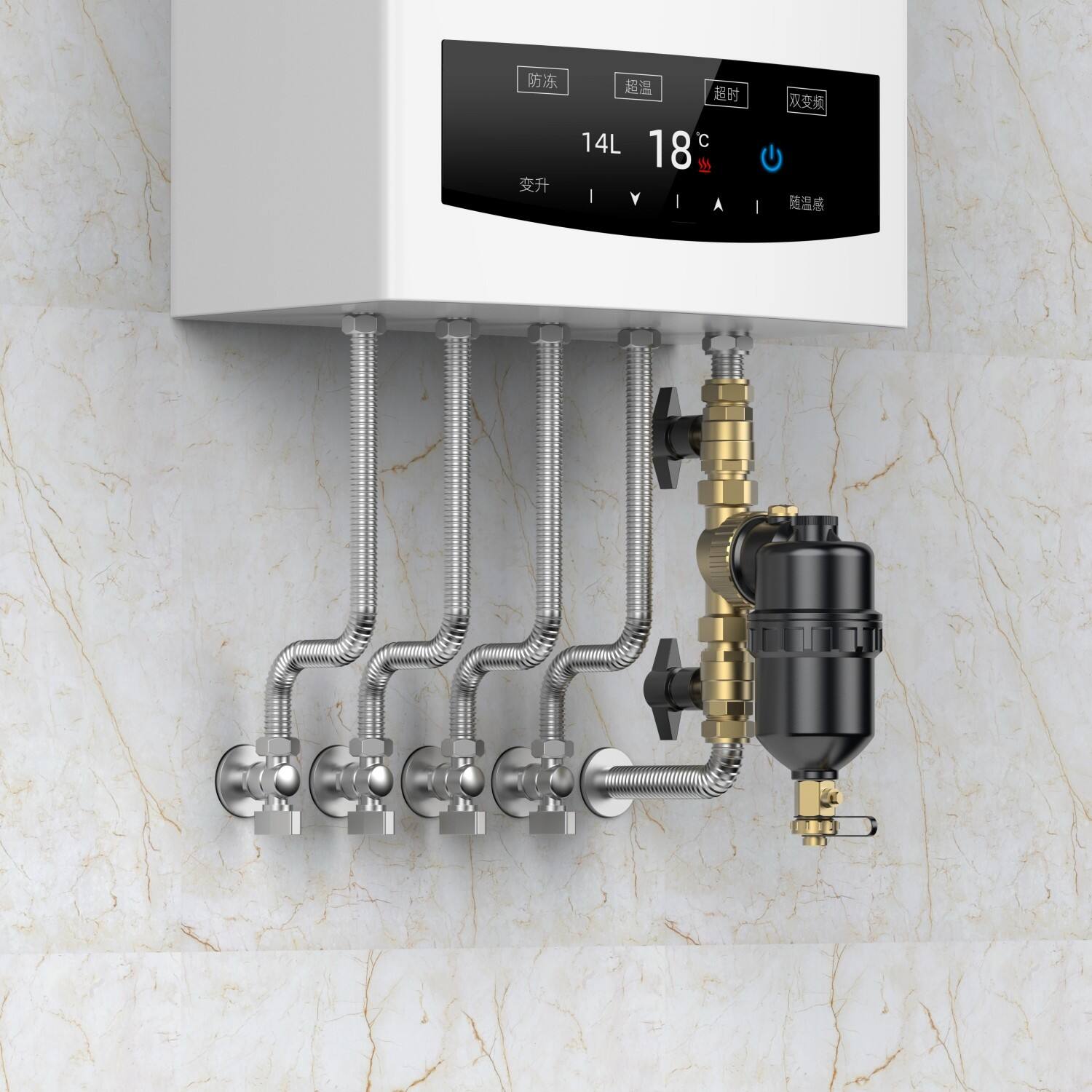
The protection mechanism of a boiler magnetic filter extends far beyond simple particle capture, encompassing multiple layers of system defense that address both immediate contamination threats and long-term degradation processes. By strategically positioning these filters within the heating circuit, facility operators can effectively intercept harmful debris at the source, preventing the cascading failures that often plague unprotected systems. This comprehensive protection approach transforms routine maintenance from reactive crisis management into proactive system optimization, delivering measurable benefits in terms of energy efficiency, component lifespan, and operational reliability.
Contamination Prevention Mechanisms
Magnetic Particle Capture Process
The primary protection mechanism of a boiler magnetic filter centers on its ability to attract and retain ferrous particles using high-strength permanent magnets positioned within the filter housing. As heating system water flows through the filter chamber, iron oxide particles, rust flakes, and metal debris are drawn toward the magnetic core, where they accumulate on specialized collection surfaces. This magnetic capture process operates continuously during system operation, ensuring that even microscopic metal particles are removed before they can reach sensitive components like heat exchangers, pumps, and control valves.
The effectiveness of magnetic particle capture depends significantly on the magnetic field strength and configuration within the boiler magnetic filter housing. High-performance filters utilize rare earth magnets arranged in optimized patterns to create maximum magnetic flux density throughout the water flow path. This design ensures that particles of varying sizes and magnetic susceptibility are effectively captured, from large rust flakes that might cause immediate blockages to fine iron oxide dust that contributes to long-term system degradation.
Advanced boiler magnetic filter designs incorporate multiple magnetic zones with different field strengths to accommodate varying flow rates and particle concentrations. The initial capture zone features intense magnetic fields designed to arrest larger particles quickly, while downstream zones provide fine filtration for smaller contaminants. This staged approach maximizes collection efficiency while minimizing pressure drop across the filter, maintaining optimal system hydraulics throughout the heating circuit.
Sludge and Debris Isolation
Beyond magnetic particle capture, a boiler magnetic filter provides comprehensive protection against non-magnetic debris and sludge accumulation through integrated mechanical filtration elements. These components work in conjunction with the magnetic system to create a complete barrier against all forms of system contamination. Mechanical filter elements typically feature graduated mesh sizes or depth filtration media designed to capture organic debris, scale particles, and other non-ferrous contaminants that could compromise system performance.
The sludge isolation capability of a boiler magnetic filter becomes particularly important in older heating systems where years of corrosion and contamination have created complex debris mixtures. These systems often contain significant quantities of calcium carbonate scale, organic growth, and mixed metal oxides that require multi-stage filtration for effective removal. The filter housing design accommodates these varying contamination loads through expandable collection chambers and easy-access cleaning ports that facilitate routine maintenance without system shutdown.
Proper sludge management within a boiler magnetic filter involves both active capture and controlled accumulation to prevent re-entrainment during system operation. Filter designs incorporate settlement zones where heavier particles can accumulate safely away from the main flow stream, while lighter debris remains suspended for continued filtration. This approach ensures that captured contaminants remain isolated throughout normal system operation, preventing the filter bypass that can occur when collection chambers become oversaturated.
System Component Protection Benefits
Heat Exchanger Preservation
A boiler magnetic filter provides essential protection for heat exchanger surfaces by preventing the accumulation of insulating deposits that reduce heat transfer efficiency and promote localized corrosion. Metal particles and sludge deposits on heat exchanger tubes create thermal barriers that force the system to operate at higher temperatures to achieve the same heating output, increasing energy consumption and accelerating component wear. By removing these contaminants before they reach the heat exchanger, the filter maintains optimal thermal performance throughout the system lifecycle.
The protection mechanism extends beyond simple deposit prevention to include active preservation of heat exchanger metallurgy through contamination control. Iron oxide particles and other corrosive debris can create galvanic corrosion cells when they accumulate on heat exchanger surfaces, particularly in mixed-metal systems where different alloys are present. A properly functioning boiler magnetic filter eliminates these contamination sources, maintaining the chemical stability of the heating water and preventing the electrochemical reactions that lead to premature heat exchanger failure.
Long-term heat exchanger preservation through magnetic filtration delivers measurable benefits in terms of energy efficiency and maintenance costs. Clean heat exchanger surfaces maintain design heat transfer coefficients, ensuring that the system operates within intended efficiency parameters. This preservation effect becomes increasingly important as heating systems age, where even minor deposit accumulation can significantly impact performance and require costly cleaning or replacement procedures.
Pump and Valve Protection
The mechanical components of heating systems, particularly circulation pumps and control valves, receive critical protection from a boiler magnetic filter through the elimination of abrasive particles that cause wear and operational failures. Pump impellers and housing surfaces are particularly vulnerable to erosive damage from circulating debris, which can create cavitation, reduce pumping efficiency, and lead to premature seal failures. By removing these damaging particles upstream, the filter extends pump service life and maintains hydraulic performance throughout the system.
Control valve protection represents another critical aspect of system preservation achieved through magnetic filtration. Valve seats, stems, and actuator mechanisms are precision-engineered components that can be compromised by even small amounts of debris accumulation. Metal particles can prevent proper valve sealing, cause stick-slip operation in modulating valves, and interfere with electronic control systems. The continuous contamination removal provided by a boiler magnetic filter ensures that these critical control components maintain their designed operational characteristics.
The cumulative effect of pump and valve protection extends throughout the entire heating system, maintaining the precise control and efficient operation that modern heating systems require. Protected pumps maintain their flow and pressure characteristics, ensuring proper heat distribution and system balance. Similarly, protected valves continue to provide accurate temperature and flow control, supporting energy-efficient operation and occupant comfort throughout the building lifecycle.
Flow Dynamics and Hydraulic Protection
Pressure Loss Prevention
A boiler magnetic filter protects heating system hydraulics by preventing the gradual accumulation of debris that increases flow resistance and reduces system efficiency over time. Contaminated heating circuits often experience progressive pressure loss as particles accumulate in pipe fittings, reducers, and other flow restrictions throughout the distribution network. This accumulation forces circulation pumps to work harder to maintain design flow rates, increasing energy consumption and potentially overwhelming pump capacity in severely contaminated systems.
The hydraulic protection mechanism operates through continuous contamination removal that maintains the original flow characteristics of the heating distribution system. Clean pipework maintains its designed flow coefficients and pressure drop characteristics, ensuring that system balancing remains stable throughout the operational lifecycle. This stability is particularly important in complex heating systems with multiple zones and varying load conditions, where even minor changes in hydraulic resistance can compromise overall system performance.
Advanced boiler magnetic filter designs incorporate flow optimization features that actually improve system hydraulics beyond simple contamination removal. These filters utilize streamlined internal geometries and low-resistance flow paths that minimize additional pressure loss while maximizing filtration effectiveness. Some designs incorporate flow conditioning elements that reduce turbulence and improve downstream hydraulic stability, providing net positive effects on overall system performance.
Flow Distribution Stability
Maintaining stable flow distribution throughout a heating system requires consistent hydraulic conditions that can be compromised by contamination-induced flow restrictions and pump performance degradation. A boiler magnetic filter protects flow distribution stability by ensuring that all system components continue to operate within their designed parameters, preventing the gradual drift toward unbalanced operation that characterizes contaminated systems. This protection is particularly critical in large commercial heating installations where precise flow distribution is essential for energy efficiency and occupant comfort.
The flow distribution protection extends to temperature control stability through the maintenance of proper heat transfer and circulation patterns. Contaminated systems often develop hot and cold spots as debris accumulation alters local flow velocities and heat transfer characteristics. By preventing these accumulations, a boiler magnetic filter ensures that designed temperature distributions are maintained throughout the heated space, supporting consistent comfort conditions and efficient system operation.
Long-term flow distribution stability provided by magnetic filtration becomes increasingly important as heating systems age and face changing operational demands. Building modifications, equipment additions, and changing usage patterns can stress heating system capacity, making the maintenance of optimal hydraulic conditions essential for continued performance. A properly maintained boiler magnetic filter ensures that these operational changes do not compound existing contamination issues that could compromise system adaptability.
Energy Efficiency and Performance Optimization
Heat Transfer Enhancement
The energy efficiency benefits of a boiler magnetic filter stem primarily from its ability to maintain clean heat transfer surfaces throughout the heating system, ensuring that thermal energy is transferred effectively from heating water to the heated space. Contaminated heat exchangers require higher operating temperatures to achieve the same heat output, increasing fuel consumption and reducing overall system efficiency. By preventing deposit formation on heat transfer surfaces, magnetic filtration maintains design heat transfer coefficients and optimizes energy utilization throughout the heating season.
The heat transfer enhancement effect becomes particularly significant in high-efficiency heating systems where even minor deposit accumulation can substantially impact performance. Condensing boilers, for example, depend on precise temperature control and clean heat exchanger surfaces to maintain their high efficiency ratings. A boiler magnetic filter protects these efficiency gains by preventing the contamination that could force the system to operate outside its optimal efficiency range, preserving the environmental and economic benefits of high-efficiency heating technology.
Quantifiable energy savings from heat transfer enhancement can range from 5% to 15% annually, depending on the initial contamination level and system design characteristics. These savings accumulate over the system lifecycle, often exceeding the initial cost of the boiler magnetic filter installation within the first few years of operation. The energy optimization effect also extends to reduced cycling frequency and improved temperature control, further enhancing overall system efficiency and occupant comfort.
Operational Efficiency Maintenance
Beyond heat transfer optimization, a boiler magnetic filter maintains operational efficiency by ensuring that all system components continue to function within their designed operating parameters throughout the system lifecycle. Circulation pumps maintain their flow and pressure characteristics, control valves operate smoothly and accurately, and heat exchangers deliver consistent performance. This comprehensive efficiency maintenance prevents the gradual degradation that characterizes unprotected heating systems, where component wear and contamination combine to reduce overall performance.
The operational efficiency benefits extend to reduced maintenance requirements and extended service intervals for critical system components. Protected pumps require less frequent seal replacement and impeller maintenance, while clean control valves maintain their calibration and response characteristics longer. These maintenance reductions translate directly into lower operational costs and reduced system downtime, supporting the business case for boiler magnetic filter installation in commercial and industrial applications.
Long-term operational efficiency maintenance becomes increasingly valuable as heating systems mature and face evolving performance demands. Energy codes and efficiency standards continue to become more stringent, making the preservation of design efficiency characteristics essential for regulatory compliance. A boiler magnetic filter provides the contamination control necessary to maintain these efficiency standards throughout the system operational lifecycle, supporting sustainable building operation and environmental responsibility goals.
FAQ
How often should a boiler magnetic filter be cleaned or maintained?
A boiler magnetic filter typically requires cleaning every 6-12 months during the first year of installation in heavily contaminated systems, with intervals extending to annually or bi-annually once the initial contamination load is reduced. The cleaning frequency depends on factors such as system age, water quality, and contamination levels, with newer systems generally requiring less frequent maintenance than older installations with significant existing contamination.
Can a boiler magnetic filter be installed in any type of heating system?
Boiler magnetic filters can be installed in most closed-loop heating systems, including conventional boilers, condensing boilers, heat pumps, and combination heating/cooling systems. The filter should be sized appropriately for the system flow rate and installed according to manufacturer specifications, typically on the return line before the boiler input to capture contamination before it reaches critical components.
What are the signs that a heating system needs magnetic filter protection?
Common indicators include frequent pump failures, noisy operation, uneven heating distribution, increased energy consumption, frequent system repairs, and visible contamination when draining system water. Black or rust-colored water, recurring air problems, and premature component failures are strong indicators that magnetic filtration could provide significant system protection benefits.
Will installing a boiler magnetic filter affect system warranty coverage?
Most heating equipment manufacturers support or even recommend magnetic filter installation as a system protection measure that can enhance warranty coverage rather than void it. However, it's important to verify specific warranty terms with equipment manufacturers and ensure that filter installation is performed according to professional standards and manufacturer recommendations to maintain warranty protection.