
 EN



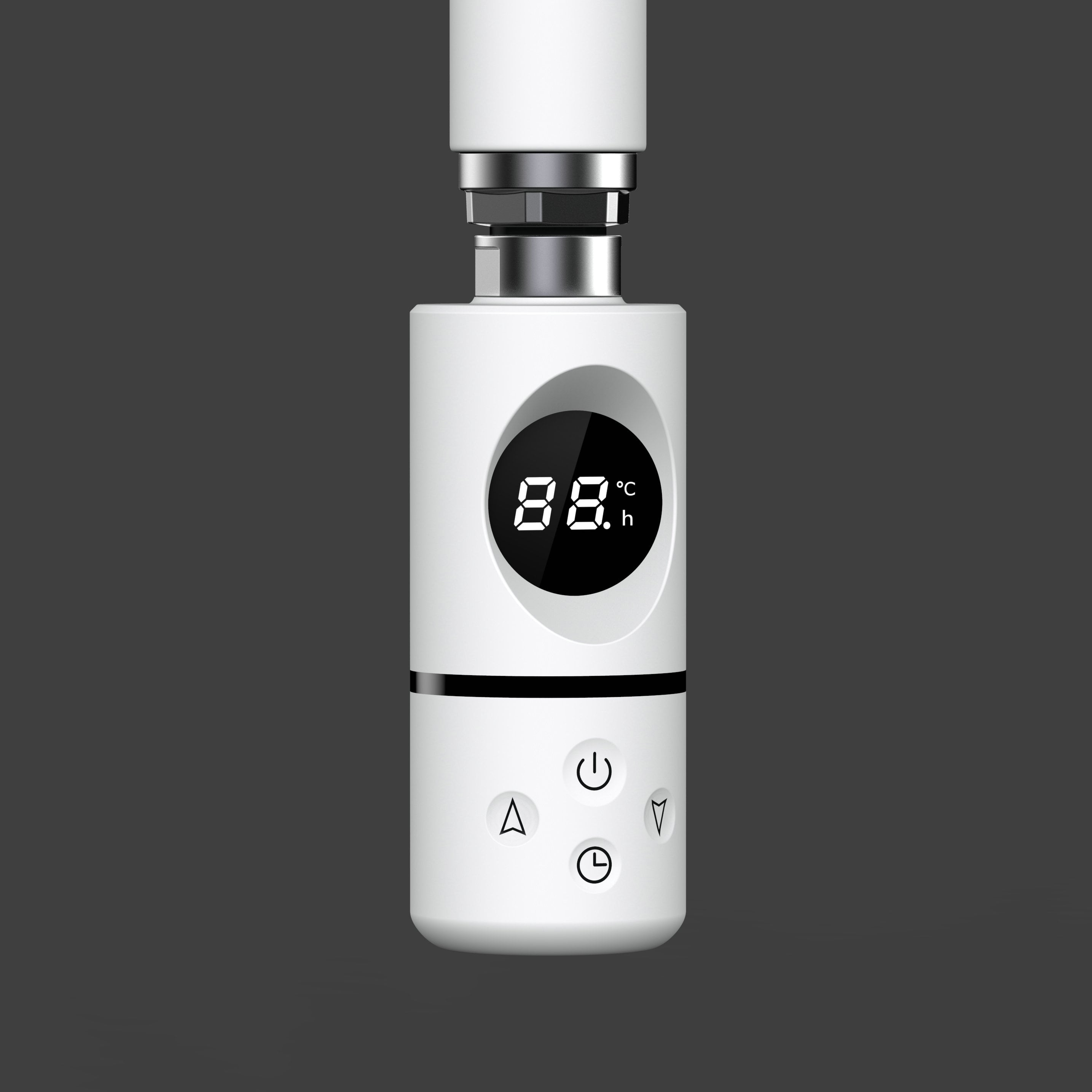
Most homeowners set a thermostat and forget it. But if you’re specifying heating for a project, advising a customer, or managing a rental portfolio, knowing exactly what a thermostat does—and how it does it—changes the conversation. It’s the difference between selling a product and selling a solution.
We spoke to installers, dug into user experiences on Reddit, and pulled data from manufacturer specs to bring you a straight answer.
What Does a Thermostat Actually Do?
A thermostat does one job: it maintains a target temperature. But how it achieves that varies dramatically depending on the type.
A basic room thermostat sits on a wall and measures air temperature. When the room drops below your set point, it sends a signal to the boiler to fire. When the room reaches temperature, it tells the boiler to stop.
A smart radiator thermostat—also called a thermostatic radiator valve (TRV) head—works differently. It fits directly onto the radiator valve body and controls the flow of hot water into that individual radiator. This is heating control at the room level, not the whole-house level.
Reddit user u/PlumbingProUK explained on r/Plumbing: “People think a thermostat controls the boiler. It doesn’t always. A TRV controls the radiator. A room thermostat controls the boiler. Both matter, but they do different jobs.”
That distinction is the foundation of modern energy efficiency in heating.
How Does a Thermostat Work?
Traditional Thermostats: The Bimetallic Strip
The original thermostat technology relies on a bimetallic strip—two different metals bonded together. One metal expands faster than the other when heated, causing the strip to bend. This bending action opens or closes an electrical contact, switching the heating on or off.
The principle is simple and reliable. But it’s also imprecise. Bimetallic thermostats typically have a temperature swing of 2–3°C, meaning the room fluctuates more than most people would like.
Smart Thermostats: Sensors and Algorithms
Modern smart radiator thermostats replace the bimetallic strip with electronic sensors and microprocessors. A TRV head contains a temperature sensor that continuously monitors room air. When the room reaches your set point, the valve reduces water flow. When the room cools, it opens again.
The accuracy difference is substantial. Avonflow’s TRCD35 smart radiator thermostat, for example, offers ±0.5°C accuracy. That’s precision you can feel—and a key selling point for distributors and specifiers.
How TRV Heads Actually Control Heat
Inside a TRV head, a motorised actuator pushes a pin that opens or closes the valve. When the sensor detects the room is warm enough, the actuator retracts, and the pin closes the valve. No hot water flows. The radiator cools.
Reddit user u/TRVtrouble on r/Plumbing shared a common frustration: “My TRV pin was stuck shut. Radiator was freezing. Took the head off, tapped the pin with pliers, sprayed a bit of WD40. Working again. But apparently this happens every couple of years unless you get the electronic ones that exercise themselves.”
That last point is worth noting. Modern electronic TRV heads often include a weekly “exercise” function—they move the pin through its full range to prevent sticking. Small feature, big difference in reliability.
Why Does Thermostat Choice Matter Financially?
The financial case for smart radiator thermostats is well documented.
The Energy Saving Trust estimates that upgrading heating controls can save £75–£150 per year for a typical UK home, with gas savings of 8–18% for learning models.
Research by BEAMA and Salford University shows upgrading to a smart thermostat can cut annual heating bills by up to 12%—saving the average home up to £105 per year when using energy-saving features and TRVs for multi-room control.
Payback is quick. Smart thermostat systems typically pay for themselves in 1–2 years.
Reddit user u/SmartHeat on r/homeautomation shared: “Since fitting smart TRVs, my boiler runs about 30% less. The rooms stay exactly where I want them. No more overheating the bedrooms just to keep the living room warm.”
For B2B buyers, the message is clear: thermostats are not just convenience products. They are energy-saving devices with measurable ROI.
Avonflow’s Smart Thermostat Range: Built for Specifiers
For installers, distributors, and OEM clients looking for reliable heating control products, Avonflow’s TRCD35 smart radiator thermostat delivers the specifications that projects demand.
Key features:
±0.5°C accuracy for precise room temperature control
Tuya Smart App control via WiFi for remote scheduling and monitoring
110–230V compatibility for European and North American systems
ABS + brass + stainless steel construction for durability
Hydronic system compatibility, including underfloor heating applications
Keymark, CE, ISO 9001/14001/18001, SA8000 certifications
2–3 year warranty for peace of mind
The TRCD35 is designed for both new installations and retrofit projects. It replaces standard TRV heads with a screw-on fit—no draining required.
For projects requiring a complete heating control solution, Avonflow also manufactures TRVs (TRCD39, TRCD07) and MRVs with matching certifications, allowing specifiers to source valves and thermostats from a single supplier.
FAQ
What’s the difference between a thermostat and a TRV?
A thermostat controls the boiler (whole-house heating). A TRV controls an individual radiator (room-level heating control). They work together for maximum energy efficiency.
Do I need a smart thermostat if I already have TRVs?
Yes. TRVs control where heat goes; a smart thermostat controls when the boiler fires. The combination is more effective than either alone.
Can I install a smart radiator thermostat myself?
Smart TRV heads are DIY-friendly—they screw onto existing valve bodies. No draining, no plumber required. Check compatibility first (most European radiators use M30 × 1.5mm thread).
Will a smart thermostat save money if I have an irregular schedule?
Yes—and this is where the biggest savings occur. Learning thermostats and geofencing features adapt to irregular routines, eliminating wasted heat when rooms are empty.
What certifications should I look for in a smart thermostat?
CE, Keymark, and EN 215 for European markets. Avonflow’s TRCD35 carries all three, plus ISO 9001/14001/18001 manufacturing certifications.
How long does a smart thermostat take to pay for itself?
Typically 1–2 years, depending on your current heating controls and how much you currently waste on heating empty rooms.