
 EN
EN



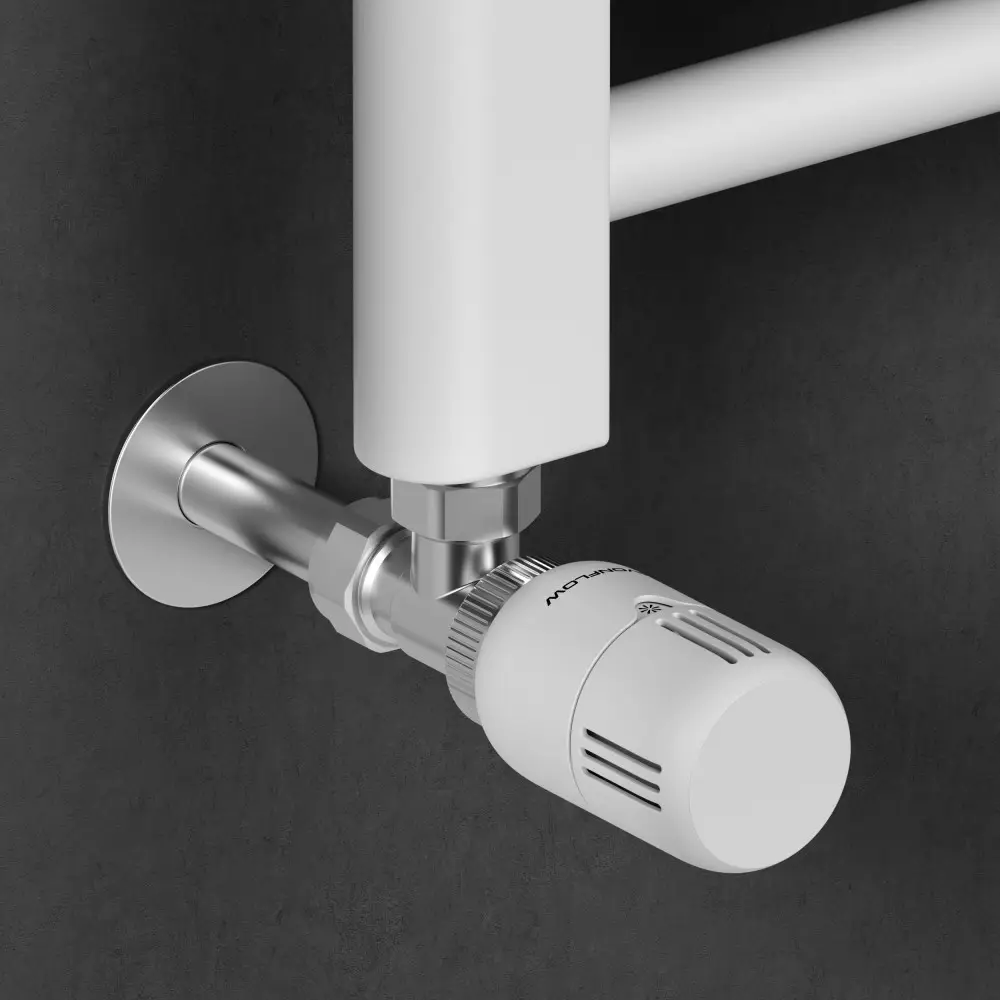
Installing quality TRVs represents one of the most effective investments a property owner can make in their heating system infrastructure. TRVs, or thermostatic radiator valves, function as intelligent temperature regulators that maintain precise room-by-room climate control without requiring constant manual adjustment. When properly selected and installed, quality TRVs deliver measurable benefits that extend far beyond the initial purchase cost, fundamentally transforming how buildings consume energy and maintain comfort throughout their operational lifespan.
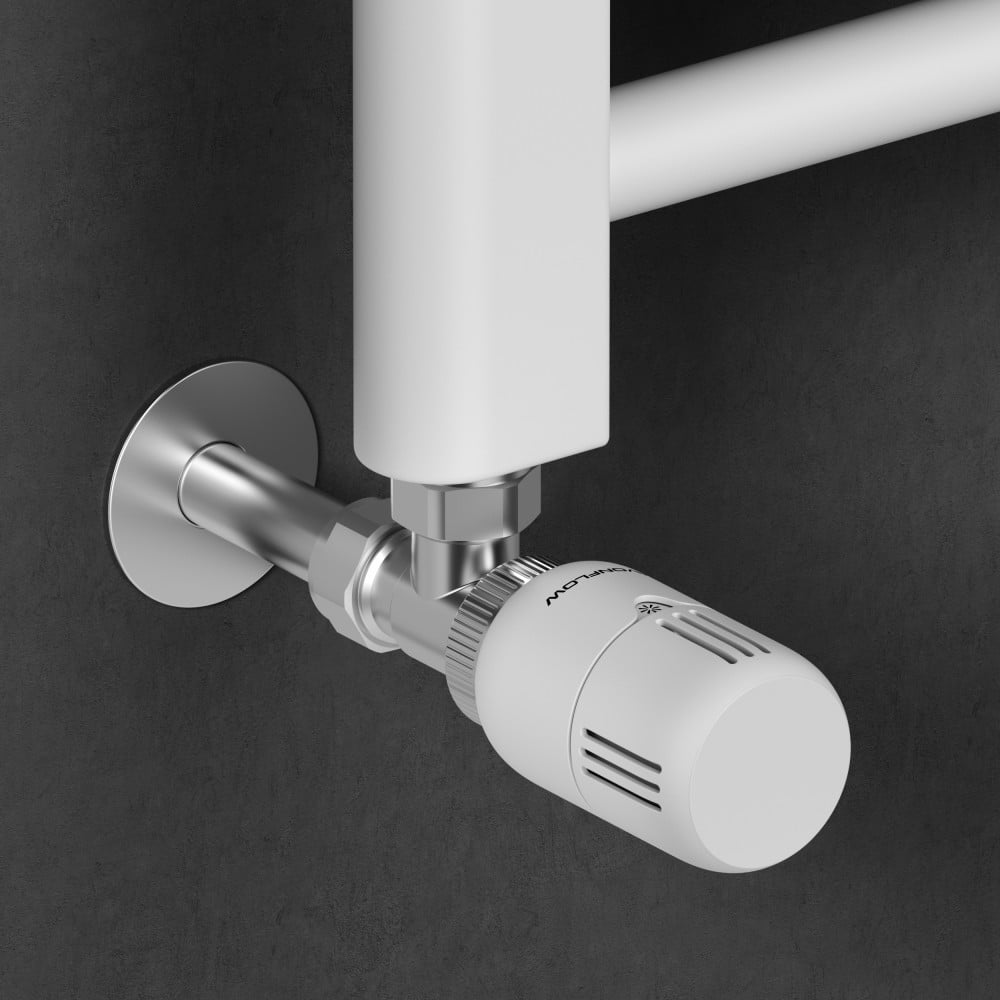
The decision to upgrade to quality TRVs reflects a growing recognition that building performance depends not just on boiler output but on intelligent distribution and regulation. Properties equipped with modern TRVs experience sustained advantages in operational efficiency, occupant satisfaction, and financial performance that compound significantly over time. Understanding these long-term benefits helps facility managers, building owners, and homeowners make informed decisions about heating system investments that will serve their properties reliably for many years.
Energy Efficiency and Reduced Fuel Consumption
How TRVs Optimize Heat Distribution Across Zones
Quality TRVs enable sophisticated zone-based heating management by allowing individual radiators to regulate their own water flow based on room temperature. This means TRVs automatically reduce heat supply to rooms that have reached target temperature while maintaining warmth in spaces that need it most. Over a heating season, this intelligent allocation prevents the wasteful overheating of seldom-used rooms or spaces that benefit from passive solar heat. The cumulative effect of TRVs operating across multiple zones produces substantial reductions in overall fuel consumption compared to systems using simple on-off boiler controls.
Long-Term Fuel Cost Reduction
Buildings equipped with quality TRVs typically report fuel consumption reductions between fifteen and twenty percent compared to properties using basic thermostatic controls. In commercial facilities with high heating demands, this efficiency translates directly into significant annual cost savings that accumulate substantially over the five to ten-year service life of TRVs. Properties that integrate TRVs with smart building controls achieve even greater savings by combining zone management with scheduling and occupancy-responsive heat delivery. The payback period for TRVs typically ranges from three to five years in buildings with moderate to high heating costs, making the long-term financial case compelling for most property types.
Enhanced Occupant Comfort and Satisfaction
Consistent Temperature Regulation Without Manual Adjustment
Quality TRVs remove the frustration of temperature fluctuations that plague buildings relying on centralized thermostat control. Because TRVs respond automatically to each room's actual temperature, occupants no longer experience uncomfortable periods when the heating system cycles on and off unpredictably. Modern TRVs feature refined response algorithms that minimize temperature overshoot while delivering responsive heating when demand increases. Over months and years of operation, this consistent temperature stability becomes a defining feature of buildings with quality TRVs, reducing complaints about comfort and improving perceived building quality.
Individual Room Control and Adaptation
Different rooms within any building serve different purposes and generate different heat loads, yet traditional heating systems treat all spaces identically. Quality TRVs allow users to set different target temperatures for different rooms, accommodating varied occupancy patterns and usage needs. Bedrooms can maintain lower temperatures during sleeping hours while living areas remain comfortably warm, and unoccupied zones receive minimal heat. This granular control capability means TRVs adapt to real occupancy patterns rather than forcing everyone to accept a one-size-fits-all approach, directly improving occupant satisfaction and acceptance of heating management practices.
System Longevity and Reduced Maintenance Burden
Valve Performance Stability Over Extended Periods
Quality TRVs are engineered to maintain precise control characteristics throughout their entire service life, typically eight to twelve years in normal residential or commercial applications. The internal mechanisms of well-designed TRVs resist the mineral buildup and pressure fluctuations that degrade lower-quality valves, ensuring that temperature regulation capability remains consistent year after year. This reliability means the fuel savings and comfort benefits that TRVs deliver in their first season remain virtually unchanged through their entire operational period. Buildings that invest in quality TRVs avoid the progressive performance degradation associated with inferior valves, which often require replacement within just three to four years.
Reduced Boiler Stress and Extended Equipment Life
By preventing the excessive cycling and pressure fluctuations that occur in systems without proper zone control, quality TRVs reduce cumulative stress on boilers and pump systems. TRVs inherently stabilize system pressure and flow patterns by modulating individual radiator outlets rather than forcing the boiler to cycle repeatedly in response to changing demand. This smoother operational pattern directly extends boiler component lifespan and reduces the frequency of pressure-related failures in piping and fittings. Over a fifteen to twenty-year building operational period, the reduced wear and tear attributable to TRVs can easily add five to seven years to boiler life, representing substantial capital cost avoidance and improved system reliability throughout the property's service period.
Environmental Impact and Sustainability Performance
Reduced Carbon Emissions and Environmental Footprint
The fuel consumption reductions achieved by quality TRVs directly translate into proportional reductions in carbon emissions from heating operations. A property with TRVs might reduce annual heating emissions by three to four metric tons annually compared to an identical building without zone control, and this reduction persists throughout the valve's entire operational lifespan. For organizations committed to environmental responsibility and carbon reduction targets, TRVs represent an accessible technology that delivers measurable climate benefits while simultaneously improving building economics. As carbon accounting and emissions reporting become increasingly important for corporate sustainability performance and regulatory compliance, TRVs provide documented benefits that strengthen environmental credentials.
Alignment with Decarbonization Strategies
Buildings pursuing comprehensive decarbonization strategies recognize that TRVs provide essential baseline efficiency before investing in larger heating system upgrades or renewable energy integration. TRVs maximize the efficiency of existing boiler infrastructure, reducing the size and cost of replacement systems when upgrades eventually occur. Many jurisdictions now include TRVs in building performance standards and energy codes as minimum-efficiency requirements, making them increasingly non-optional for properties seeking regulatory compliance. The long-term sustainability strategy for any heating system logically begins with optimizing existing systems through TRVs before moving toward more capital-intensive solutions.
FAQ
Do TRVs require regular maintenance to deliver long-term benefits?
Quality TRVs are largely maintenance-free in most applications, requiring only occasional visual inspection to confirm they are responding to temperature changes. Annual system flushing to prevent mineral buildup benefits TRVs just as it benefits all heating components, but TRVs themselves contain no user-serviceable parts. The long-term performance of TRVs depends primarily on installation quality and water treatment practices rather than active maintenance. Most property managers find that TRVs actually reduce maintenance burden by eliminating manual thermostat adjustments and stabilizing system pressure.
Can TRVs be retrofitted to existing heating systems?
Yes, TRVs can be installed on virtually any radiator or panel heater that uses water circulation, making them ideal for retrofit applications in buildings with older heating infrastructure. Installation typically requires draining only the radiator being modified rather than the entire system, and qualified heating engineers can usually complete retrofits without extensive disruption. The ability to retrofit TRVs gradually across a building allows property owners to implement efficiency improvements incrementally based on budget availability. Many properties begin by installing TRVs on the highest-priority radiators and expand coverage over subsequent heating seasons as budget permits.
How do TRVs interact with smart building automation systems?
Modern TRVs integrate seamlessly with building management systems and smart controls, allowing centralized monitoring and adjustment of temperature setpoints across all zones. Smart integration enables scheduling that automatically lowers heating in unoccupied periods, response to occupancy sensors that detect actual usage patterns, and remote adjustment capabilities for facility managers. This integration multiplies the efficiency benefits of TRVs by adding temporal and occupancy-responsive optimization layers on top of individual room temperature regulation. Buildings combining quality TRVs with comprehensive smart controls often achieve efficiency gains approaching thirty percent compared to traditional centralized heating systems.