
 EN
EN



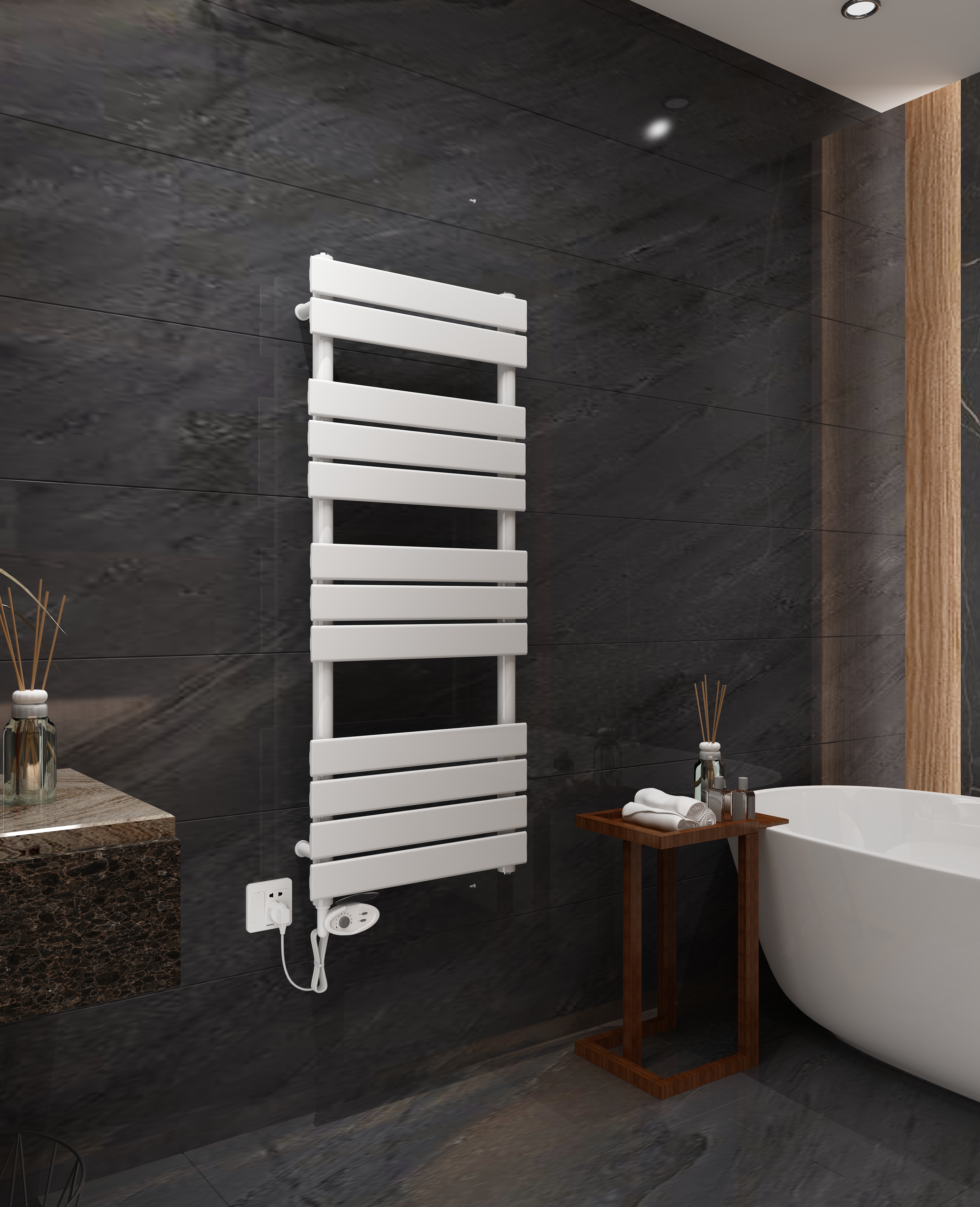
Modern bathrooms require effective solutions that combine functionality with enhanced comfort, and a heated towel rail represents one of the most valuable additions homeowners can make to their bathing spaces. These innovative fixtures transform the traditional bathroom experience by providing consistent warmth while simultaneously addressing critical hygiene concerns that affect daily wellness routines. Beyond their primary function of warming towels, these devices contribute significantly to creating a more pleasant and healthier bathroom environment throughout the year.
Understanding Heated Towel Rail Technology and Design
Electric Heating Systems and Temperature Control
Electric heated towel rail systems operate through advanced heating elements that distribute warmth evenly across multiple horizontal bars or ladder-style configurations. These units typically feature programmable thermostats that allow precise temperature control, ensuring optimal performance while maintaining energy efficiency. The heating elements are designed to reach operational temperatures quickly, providing immediate warmth when needed most during morning routines or evening baths.
Temperature regulation capabilities enable users to customize heating levels based on seasonal requirements and personal preferences. Most modern units include timer functions that automatically activate during peak usage periods, eliminating the need for manual operation while ensuring towels remain consistently warm and dry throughout the day.
Construction Materials and Durability Features
Premium heated towel rail construction typically incorporates corrosion-resistant materials such as stainless steel or powder-coated aluminum that withstand constant moisture exposure. These materials ensure long-term reliability while maintaining aesthetic appeal in various bathroom design schemes. The robust construction prevents common issues associated with traditional towel storage methods, including rust formation and structural deterioration over time.
Manufacturing standards emphasize both durability and safety, with many units featuring waterproof electrical components and protective coatings that resist bathroom humidity. Quality construction extends operational lifespan significantly compared to conventional towel storage solutions, making heated towel rail systems a worthwhile investment for homeowners seeking reliable bathroom improvements.
Hygiene Benefits and Moisture Management
Bacterial Growth Prevention Through Proper Drying
Effective moisture removal represents a critical factor in maintaining bathroom hygiene, and heated towel rail systems excel at eliminating excess dampness that promotes bacterial proliferation. When towels remain damp for extended periods, they create ideal breeding conditions for harmful microorganisms that can cause unpleasant odors and potential health concerns. The consistent heat application ensures towels dry completely between uses, significantly reducing bacterial contamination risks.
Research indicates that warm, dry towels harbor substantially fewer bacteria compared to damp alternatives stored in traditional bathroom environments. This improved sanitation directly benefits users by reducing exposure to potentially harmful microorganisms during daily hygiene routines, contributing to overall health and wellness.
Mold and Mildew Elimination Strategies
Bathroom environments naturally accumulate moisture from showers, baths, and daily activities, creating conditions favorable for mold and mildew development. A properly installed heated towel rail helps combat these issues by maintaining optimal air circulation and reducing humidity levels in immediate surrounding areas. The continuous warmth generated by these units prevents moisture accumulation on towel surfaces and adjacent wall areas.
Prevention of mold and mildew growth extends beyond towel storage to encompass broader bathroom health improvements. Reduced moisture levels decrease the likelihood of respiratory irritants and allergens that commonly develop in damp bathroom conditions, creating a cleaner and healthier environment for all household members.
Enhanced Comfort and Luxury Experience
Thermal Comfort During Cold Weather
Winter months often transform bathroom experiences into uncomfortable ordeals, particularly in homes without adequate heating systems or those with poor insulation. Heated towel rail installations provide localized warmth that significantly improves comfort levels during cold weather periods. The radiant heat generated by these units creates a microclimate of warmth that extends beyond towel storage to encompass the immediate bathroom area.
Temperature consistency becomes particularly valuable during early morning routines when ambient temperatures are typically at their lowest. Users experience immediate comfort when wrapping themselves in pre-warmed towels, transforming potentially unpleasant cold weather bathing into a luxurious and enjoyable experience that encourages proper hygiene habits throughout the year.
Spa-Like Atmosphere Creation
Premium bathroom experiences increasingly incorporate elements traditionally associated with high-end spas and luxury accommodations. Heated towel rail systems contribute significantly to creating these elevated environments by providing the warmth and comfort typically expected in professional wellness facilities. The psychological impact of warm towels enhances relaxation and stress reduction during bathing routines.
Creating a spa-like atmosphere at home encourages longer, more thorough hygiene routines that benefit overall health and wellbeing. The luxury aspect motivates users to invest more time in self-care activities, ultimately leading to improved personal hygiene standards and enhanced quality of life through daily comfort improvements.
Energy Efficiency and Environmental Considerations
Power Consumption Optimization
Modern heated towel rail designs prioritize energy efficiency through advanced heating technologies and intelligent control systems that minimize power consumption while maintaining optimal performance. These units typically consume less electricity than traditional space heaters while providing targeted warmth exactly where needed most. Smart programming features allow users to schedule operation during off-peak energy hours, reducing utility costs significantly.
Energy-efficient operation becomes increasingly important as homeowners seek sustainable solutions that balance comfort with environmental responsibility. Many heated towel rail systems incorporate eco-friendly features such as automatic shut-off functions and low-power standby modes that further reduce energy consumption without compromising functionality or user satisfaction.
Sustainable Heating Solutions
Environmental consciousness drives increasing demand for heating solutions that minimize carbon footprints while providing essential comfort features. Heated towel rail technology represents a sustainable approach to bathroom warming that concentrates energy usage in specific areas rather than heating entire spaces unnecessarily. This targeted approach reduces overall energy consumption compared to conventional heating methods.
Sustainable design principles extend to manufacturing processes and material selection, with many manufacturers prioritizing recyclable components and environmentally responsible production methods. These considerations appeal to eco-conscious consumers seeking comfort improvements that align with sustainability goals and environmental stewardship values.
Installation Requirements and Maintenance
Professional Installation Considerations
Proper heated towel rail installation requires careful attention to electrical safety standards and bathroom-specific mounting requirements that ensure long-term reliability and user safety. Professional installation typically involves electrical connections that must comply with local building codes and safety regulations, particularly regarding bathroom electrical installations near water sources. Qualified electricians understand proper grounding techniques and circuit protection requirements essential for safe operation.
Wall mounting considerations include structural support assessment and waterproofing measures that prevent moisture infiltration behind installation points. Professional installers evaluate wall conditions and select appropriate mounting hardware that supports unit weight while maintaining stability during extended operation periods. Proper installation ensures optimal performance while preventing potential safety hazards associated with inadequate mounting or electrical connections.
Routine Maintenance and Care
Heated towel rail maintenance requirements remain minimal compared to many bathroom fixtures, typically involving periodic cleaning and basic inspection procedures that homeowners can easily perform. Regular cleaning with appropriate bathroom cleaners maintains surface appearance while preventing buildup of soap residue, mineral deposits, or other contaminants that might affect performance or aesthetics over time.
Preventive maintenance includes checking electrical connections periodically and ensuring proper timer or thermostat operation to identify potential issues before they affect system performance. Most quality heated towel rail units feature robust construction that requires little maintenance beyond basic cleaning, making them practical long-term bathroom improvements that provide consistent value with minimal ongoing attention.
Cost-Benefit Analysis and Return on Investment
Initial Investment Versus Long-Term Value
Heated towel rail systems represent moderate upfront investments that deliver substantial long-term value through improved comfort, enhanced hygiene, and potential energy savings compared to alternative heating solutions. Initial costs vary based on unit size, features, and installation requirements, but most homeowners recover their investment through improved daily comfort and reduced need for supplementary bathroom heating during cold weather periods.
Property value enhancement represents an additional benefit that contributes to overall return on investment calculations. Modern bathroom amenities, including heated towel rail installations, appeal to potential buyers and can increase home resale values, particularly in markets where luxury bathroom features are highly valued by prospective purchasers.
Operational Costs and Efficiency Metrics
Daily operational costs for heated towel rail systems remain relatively low due to efficient heating technologies and targeted warming approaches that avoid wasteful energy consumption. Most units operate at power levels comparable to large light bulbs, making their electricity usage negligible compared to other household appliances while providing significant comfort and hygiene benefits.
Efficiency metrics demonstrate that heated towel rail systems provide excellent value propositions when considering the combination of comfort improvements, hygiene benefits, and modest energy requirements. Long-term operational savings often result from reduced need for additional bathroom heating methods and improved towel longevity through proper drying and storage conditions.
Selecting the Right Heated Towel Rail System
Size and Capacity Considerations
Choosing appropriate heated towel rail dimensions requires careful assessment of bathroom space constraints and household towel storage requirements to ensure optimal functionality without overwhelming smaller bathroom designs. Unit sizing should accommodate daily towel usage patterns while maintaining adequate clearance for safe operation and easy access during routine use.
Capacity planning involves evaluating family size and bathing frequency to determine how many towels require warming simultaneously during peak usage periods. Larger households may benefit from extended ladder-style designs that accommodate multiple towels, while smaller spaces might require compact wall-mounted units that provide essential warming without consuming excessive wall space.
Feature Selection and Smart Technology Integration
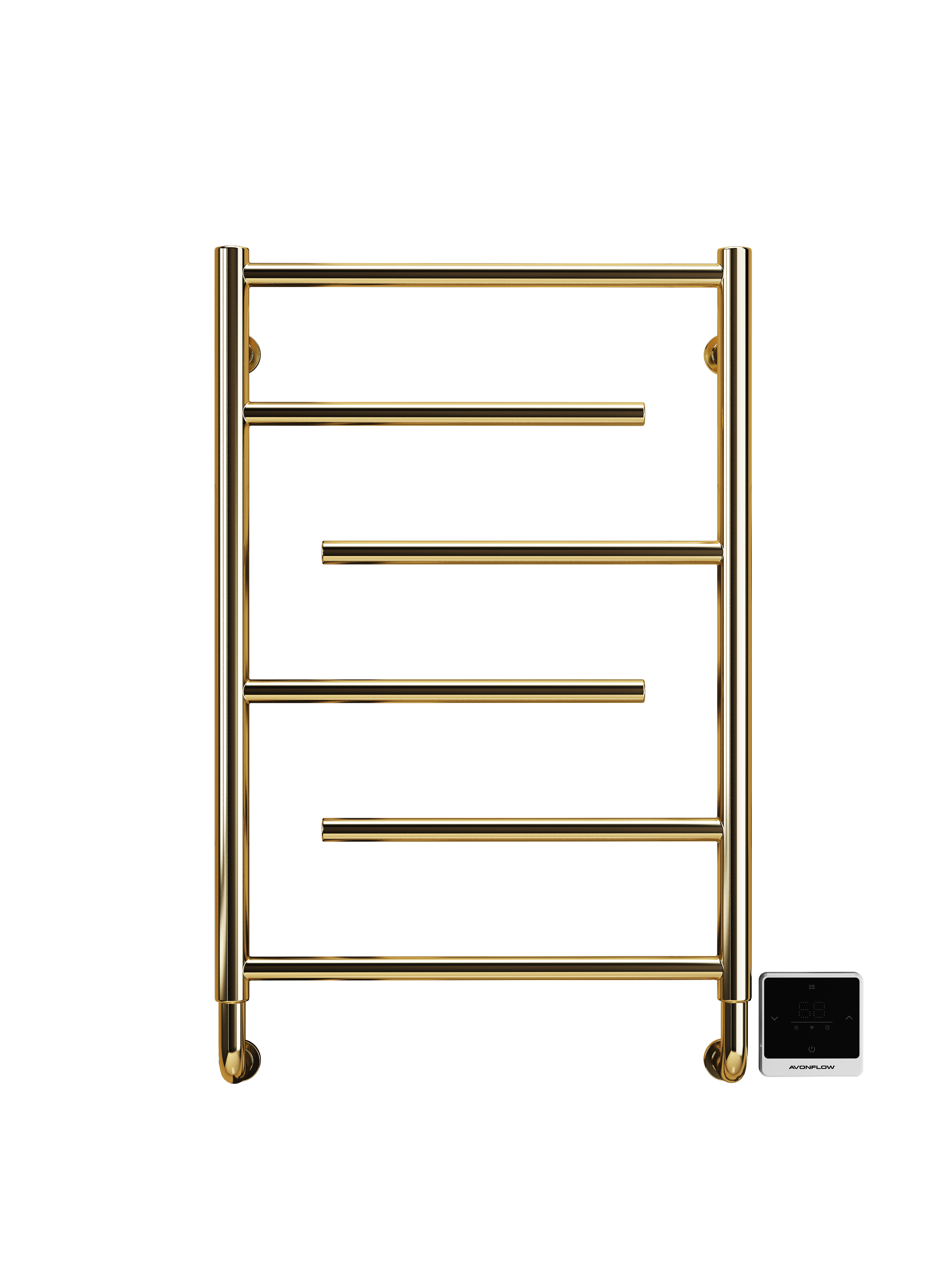
Advanced heated towel rail features include programmable timers, remote control operation, and smart home integration capabilities that enhance convenience while optimizing energy usage patterns. Digital controls provide precise temperature adjustment and scheduling options that align heating cycles with daily routines, ensuring towels are warm exactly when needed most.
Smart technology integration allows heated towel rail systems to connect with home automation networks, enabling remote monitoring and control through smartphone applications or voice-activated systems. These advanced features appeal to technology-oriented homeowners seeking comprehensive smart home solutions that extend to bathroom comfort and efficiency management.
FAQ
How much electricity does a heated towel rail consume daily
Most heated towel rail systems consume between 80-150 watts per hour of operation, similar to a standard incandescent light bulb. Daily electricity usage depends on operating duration and temperature settings, but typical residential use results in approximately 2-4 kilowatt hours per day when operated for 12-16 hours. Smart programming and timer controls can reduce consumption by operating units only during peak usage periods, often cutting daily energy use by 30-50 percent while maintaining optimal towel warming performance.
Can heated towel rail systems work in small bathroom spaces
Compact heated towel rail designs are specifically engineered for small bathroom installations, with wall-mounted units requiring minimal space while providing effective towel warming capabilities. These systems can be installed in bathrooms as small as 25 square feet without overwhelming the space or interfering with daily activities. Vertical ladder-style configurations maximize towel capacity while minimizing wall space requirements, making them ideal solutions for apartments, guest bathrooms, or powder rooms where space efficiency is essential.
What safety features should I look for in heated towel rail products
Essential safety features include waterproof electrical components rated for bathroom environments, automatic overheat protection systems, and ground fault circuit interrupter compatibility for electrical safety near water sources. Quality units feature double-insulated construction, tamper-resistant controls, and surface temperatures that remain safe for direct contact during normal operation. Additionally, look for certifications from recognized safety organizations and warranty coverage that demonstrates manufacturer confidence in product safety and reliability standards.
How long do heated towel rail systems typically last before requiring replacement
Well-manufactured heated towel rail systems typically provide 15-20 years of reliable service when properly installed and maintained according to manufacturer specifications. Premium units with stainless steel construction and quality electrical components often exceed this lifespan, with some installations continuing to operate effectively for 25 years or more. Regular maintenance, proper installation, and protection from hard water mineral deposits contribute significantly to extended operational life, making heated towel rail systems excellent long-term bathroom investments that provide consistent value throughout their service lives.
Table of Contents
- Understanding Heated Towel Rail Technology and Design
- Hygiene Benefits and Moisture Management
- Enhanced Comfort and Luxury Experience
- Energy Efficiency and Environmental Considerations
- Installation Requirements and Maintenance
- Cost-Benefit Analysis and Return on Investment
- Selecting the Right Heated Towel Rail System
- FAQ