
 EN
EN



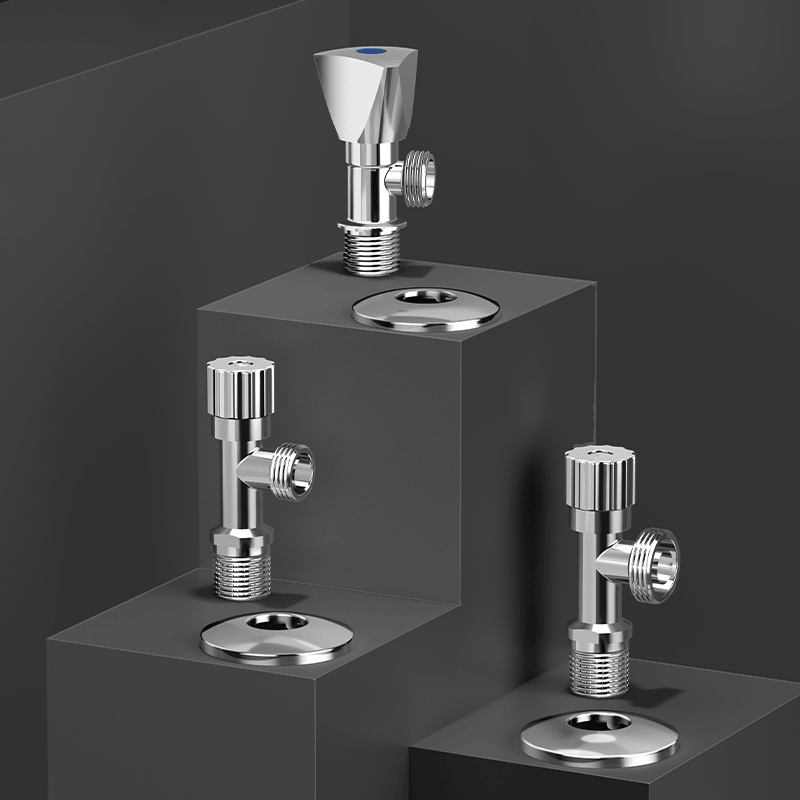
When selecting an angle valve for your plumbing or industrial system, understanding the critical features that distinguish quality products from basic alternatives becomes essential for long-term reliability and performance. An angle valve serves as a crucial control component that manages fluid flow at 90-degree directional changes, making the selection process more complex than choosing standard straight-through valves. The right angle valve must balance durability, functionality, and compatibility with your specific application requirements.
This comprehensive buying guide examines the essential features that determine angle valve quality, performance, and suitability for different applications. From material construction and pressure ratings to flow characteristics and installation considerations, each feature impacts the valve's ability to deliver consistent service in your system. Understanding these features enables informed purchasing decisions that prevent costly replacements, system failures, and operational inefficiencies.
Material Construction and Body Design
Body Material Selection Criteria
The angle valve body material directly influences corrosion resistance, pressure handling capacity, and service life in different operating environments. Brass angle valves offer excellent corrosion resistance and machinability, making them ideal for residential plumbing and moderate-pressure commercial applications. Stainless steel construction provides superior chemical resistance and strength for industrial processes involving aggressive fluids or high-temperature conditions.
Cast iron angle valves deliver robust performance in heavy-duty applications where high pressure and mechanical stress are common factors. The material selection must align with fluid compatibility, operating temperature ranges, and environmental conditions to prevent premature failure. Consider the long-term cost implications of material choice, as higher-grade materials typically provide extended service life despite increased initial investment.
Wall Thickness and Structural Integrity
Wall thickness specifications determine the angle valve's ability to withstand internal pressure and external mechanical stress during operation and installation. Thicker walls provide greater safety margins for high-pressure applications but may increase overall weight and cost considerations. The valve body must maintain consistent wall thickness throughout critical stress points to prevent weak spots that could lead to failure under pressure.
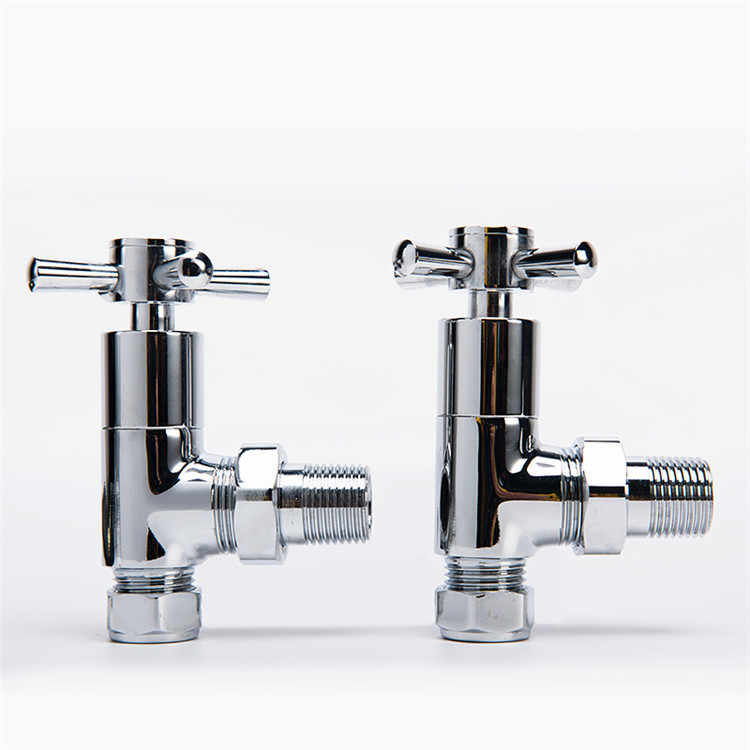
Structural reinforcement around connection points enhances the angle valve's durability under thermal cycling and vibration conditions. Look for valves with machined surfaces rather than cast surfaces at connection points, as machined connections provide better sealing and alignment characteristics. The body design should facilitate proper flow patterns while maintaining structural strength throughout the 90-degree flow path.
Sealing Mechanisms and Internal Components
Seat and Disc Configuration
The sealing interface between the disc and seat determines the angle valve's ability to achieve tight shutoff and control flow precision. Metal-seated valves provide excellent durability and high-temperature capability but may require higher operating forces for proper sealing. Soft-seated designs using elastomeric materials offer superior sealing performance at lower pressures but have temperature and chemical compatibility limitations.
Replaceable seat designs allow for maintenance and refurbishment without complete valve replacement, reducing long-term operating costs. The disc material and surface finish must complement the seat material to achieve optimal sealing performance throughout the valve's service life. Consider the angle valve's intended duty cycle when selecting between renewable and permanent sealing arrangements.
Stem and Packing Systems
The stem assembly transfers operating force from the external actuator to the internal flow control element while maintaining pressure boundary integrity. Quality angle valves feature precision-machined stems with appropriate surface treatments to resist wear and corrosion. The stem design must accommodate the rotational or linear motion required for valve operation while maintaining alignment under varying load conditions.
Packing systems prevent external leakage around the stem while allowing smooth operation throughout the valve's service life. Adjustable packing arrangements enable maintenance and re-tightening as the packing material ages and compresses. The angle valve packing material must be compatible with the process fluid and operating temperature to maintain effective sealing performance.
Flow Characteristics and Performance Specifications
Flow Coefficient and Pressure Drop
The flow coefficient (Cv) quantifies the angle valve's flow capacity under standardized conditions, enabling accurate sizing for specific applications. A higher Cv value indicates greater flow capacity, but oversizing can lead to poor control characteristics and increased cost. The valve's internal geometry, particularly the flow path through the 90-degree turn, significantly affects pressure drop and flow turbulence.
Streamlined internal passages minimize pressure losses and reduce the potential for cavitation or flashing in liquid applications. The angle valve design should maintain consistent flow characteristics across its operating range to ensure predictable system performance. Consider how the valve's flow characteristics will integrate with existing system components and control strategies.
Operating Range and Control Precision
The angle valve's operating range defines the span between fully closed and fully open positions, affecting both flow capacity and control resolution. Linear flow characteristics provide proportional flow changes relative to valve position, while equal percentage characteristics offer finer control at low flows. The choice depends on the specific control requirements and system dynamics.
Control precision becomes critical in applications requiring accurate flow regulation or frequent positioning changes. The valve's internal design must minimize dead band and hysteresis to ensure responsive and repeatable performance. Consider the actuator compatibility and control signal requirements when evaluating the angle valve's control precision capabilities.
Connection Methods and Installation Features
End Connection Options
Threaded connections provide simplicity and cost-effectiveness for smaller angle valves in low to moderate pressure applications. The thread specifications must match existing system components, and proper thread sealant or tape application is essential for leak-free installation. Flanged connections offer superior strength and reliability for larger valves and higher pressure applications, though they require more complex installation procedures.
Welded connections provide permanent, high-integrity joints for critical applications but eliminate the possibility of valve removal without cutting and re-welding. Compression fittings offer convenience for copper tubing systems while maintaining good sealing performance. The connection method selection affects installation time, maintenance accessibility, and long-term system reliability.
Mounting and Access Considerations
The angle valve's physical dimensions and mounting requirements must be compatible with available installation space and access limitations. Consider clearance requirements for operation, maintenance, and potential removal when selecting valve configurations. The valve orientation affects both performance and accessibility, particularly for manual operation or actuator mounting.
Access to adjustment or maintenance points should not require system shutdown or extensive disassembly. The angle valve design should facilitate inspection of critical components and enable routine maintenance procedures. Consider future maintenance requirements and technician skill levels when evaluating installation and access features.
Pressure and Temperature Ratings
Working Pressure Classifications
Pressure ratings define the maximum safe operating pressure for the angle valve under specified temperature conditions. The rating system varies by industry standards, with common classifications including ANSI Class ratings, PN ratings, and PSI specifications. Always select valves with pressure ratings that exceed maximum system operating pressure by appropriate safety margins.
Pressure-temperature relationships affect the angle valve's safe operating envelope, with higher temperatures typically reducing maximum allowable pressure. The valve's pressure rating applies to the complete assembly, including body, connections, and sealing elements. Consider pressure surge conditions and safety system requirements when determining adequate pressure ratings.
Temperature Range Capabilities
Operating temperature limits depend on the angle valve's materials of construction, particularly sealing elements and elastomeric components. Metal components typically withstand higher temperatures than polymeric seals, potentially limiting overall valve capability. Cryogenic applications require special material selection and design considerations to prevent brittle failure.
Thermal cycling effects must be considered for applications with varying temperature conditions, as expansion and contraction can affect sealing performance and structural integrity. The angle valve design should accommodate thermal growth without compromising performance or creating excessive stress on connected piping. Temperature capabilities should include appropriate safety margins for abnormal operating conditions.
FAQ
What is the most important feature to consider when buying an angle valve?
The most critical feature is material compatibility with your specific fluid and operating conditions. The valve body, internal components, and sealing materials must resist corrosion, handle operating pressure and temperature, and maintain performance throughout the expected service life. This compatibility directly affects safety, reliability, and total cost of ownership.
How do I determine the correct size angle valve for my application?
Size selection depends on required flow capacity, acceptable pressure drop, and pipe connection dimensions. Calculate the required Cv based on maximum flow rate and available pressure differential, then select an angle valve with appropriate Cv rating. Ensure the connection size matches your piping system and consider future expansion or modification needs.
Are expensive angle valves always better than budget alternatives?
Higher-priced angle valves typically offer superior materials, precision manufacturing, and extended service life, but the best choice depends on your specific application requirements. For critical applications or harsh conditions, premium valves provide better long-term value through reduced maintenance and replacement costs. For non-critical applications, budget valves may provide adequate performance at lower initial cost.
Can I use the same angle valve for different types of fluids?
Fluid compatibility depends on the angle valve's materials of construction and the chemical properties of each fluid. While some valves handle multiple compatible fluids, changing between incompatible fluids can cause corrosion, seal degradation, or contamination. Always verify material compatibility and consider cleaning requirements when using valves with different fluids.